7025 Longley Lane, Suite 40, Reno, NV 89511



If your furry companion is scheduled for surgery, it’s completely normal to feel nervous. Whether it’s a routine spay or neuter or something more complex, pet surgery can stir up questions and concerns.
The best way to ease your mind is by asking the right questions. Doing so not only prepares you but also ensures your pet receives the safest and most compassionate care possible.
What risks are involved in pet surgery?
All surgeries, including those for pets, involve a certain level of risk, even when carefully managed. The most common ones include anesthesia reactions, bleeding, or infection. Thankfully, veterinarians use advanced monitoring and sterile techniques to keep risks very low.
Before surgery, your vet may recommend bloodwork and a physical exam to check your pet’s overall health. These steps help identify and minimize potential complications. Asking about these precautions can reassure you that your pet is in good hands.
What steps can I take to get my pet ready for surgery?
Preparation helps surgery go smoothly and recovery start off right. Your veterinary team will give you specific instructions, but they may include:
- Your vet may advise fasting your pet overnight to keep the procedure as safe as possible.
- Access to water until the cut-off time.
- Avoid certain medications unless your vet approves them.
- Help your pet feel relaxed and rested the day before their appointment.
It’s also helpful to set up a quiet, cozy recovery area at home with soft bedding. That way, your pet can return to comfort after the procedure.
Who will be caring for my pet during surgery?
Knowing who will be with your pet during surgery can ease anxiety. A surgical team usually includes:
- The veterinarian performing the procedure.
- A veterinary technician monitoring anesthesia.
- Support staff assisting with care and comfort.
You can ask your vet what monitoring equipment they use to track heart rate, breathing, and oxygen levels. These details help build trust and confidence in the team’s expertise.
What happens once my pet comes home after surgery?
Recovery is a vital part of the healing journey. Your pet may be drowsy after anesthesia, but most pets bounce back quickly with proper care. Your vet will provide personalized instructions, which often include:
- Limiting activity to prevent strain on stitches.
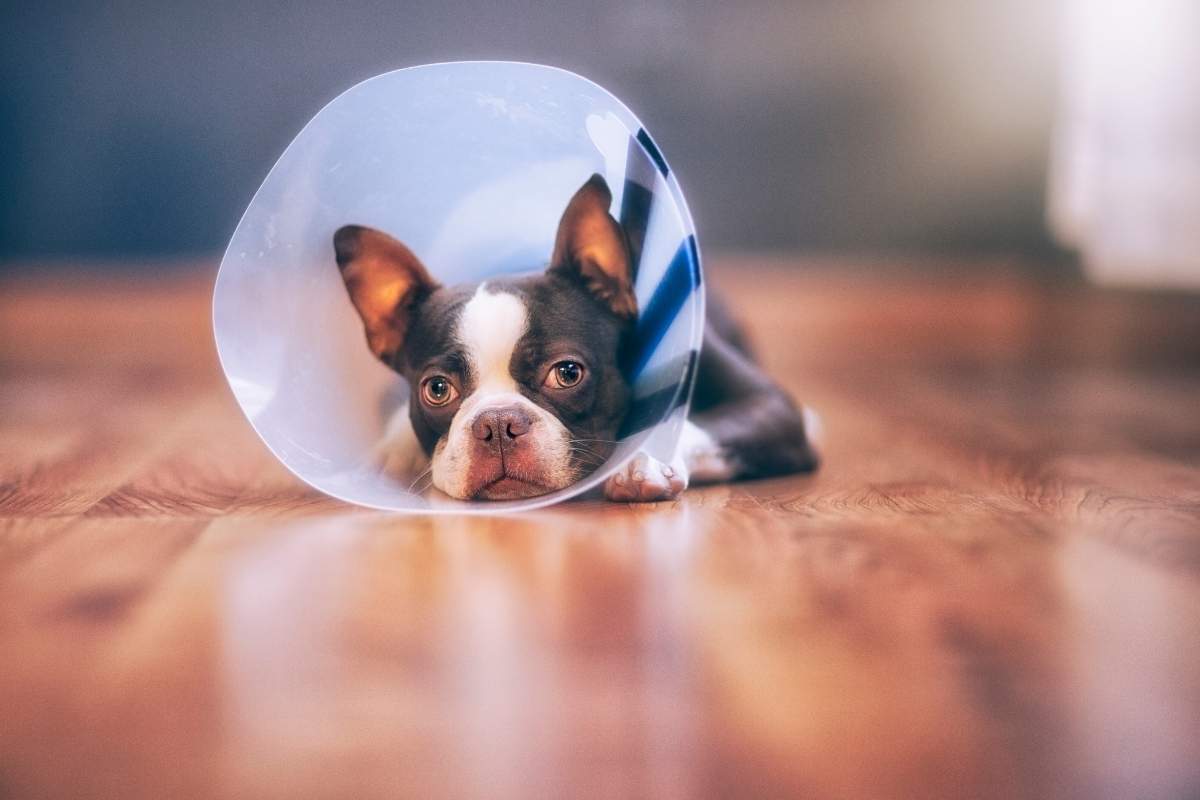
- Using a cone or recovery collar to stop licking or chewing.
- Give any prescribed medications on schedule and follow your veterinarian’s instructions closely
- Watch for swelling, discharge, or unusual behavior.
Healing time varies depending on the type of pet surgery, but many pets show steady improvement within a few days.
What signs should I watch for at home after surgery?
Your role in recovery is just as important as the veterinary team’s. Keep a close eye on your pet’s appetite, energy levels, and incision site. Signs to call your vet about include:
- Watch for signs such as skipping meals or not drinking water.
- Persistent vomiting or diarrhea.
- Contact your vet if the surgery site shows unusual swelling, redness, or bleeding.
- Lethargy beyond the first day or two.
If you’re ever unsure, it’s always safer to reach out to your veterinarian.
How do I choose the right veterinary hospital for pet surgery?
Not all veterinary clinics offer the same level of surgical expertise. When deciding where to go, consider:
- The experience of the veterinary surgeons.
- What safety and monitoring protocols are in place?
- The availability of aftercare guidance and follow-up visits.
Our veterinary hospital is proud to be a trusted choice for pet surgery for Reno families, providing compassionate care at every stage—from preparation and the procedure itself to recovery and beyond.
Facing pet surgery can feel overwhelming, but the right questions help you feel prepared and confident in your pet’s care. By learning about risks, preparation, recovery, and follow-up, you’ll be better equipped to support your pet’s healing journey. Always rely on your veterinary team for personalized advice.
FAQs
Q1. How do I know if my pet really needs surgery?
Ans. Your veterinarian will explain the reasons for surgery and whether there are alternatives. Always ask for clarification if needed.
Q2. Will my pet be in pain after surgery?
Ans. Veterinarians use modern pain relief methods to keep pets comfortable. Your vet will provide medications and instructions to manage discomfort.
Q3. Can older pets safely undergo surgery?
Ans. Yes. Many senior pets safely undergo surgery with careful pre-surgical testing and close monitoring.
Q4. How soon after pet surgery can my pet eat or drink?
Ans. In many cases, pets can have small amounts of food and water a few hours after surgery, but follow your vet’s instructions.
Q5. What if my pet develops a complication at home?
Ans. Reach out to your veterinary team without delay if you notice anything concerning. Most clinics have after-hours instructions or emergency contacts.
Q6. Where can I find trusted pet surgery Reno services?
Ans. If you’re in the Reno area, local veterinary hospitals offer skilled surgical teams and post-surgical support for pets.