7025 Longley Lane, Suite 40, Reno, NV 89511



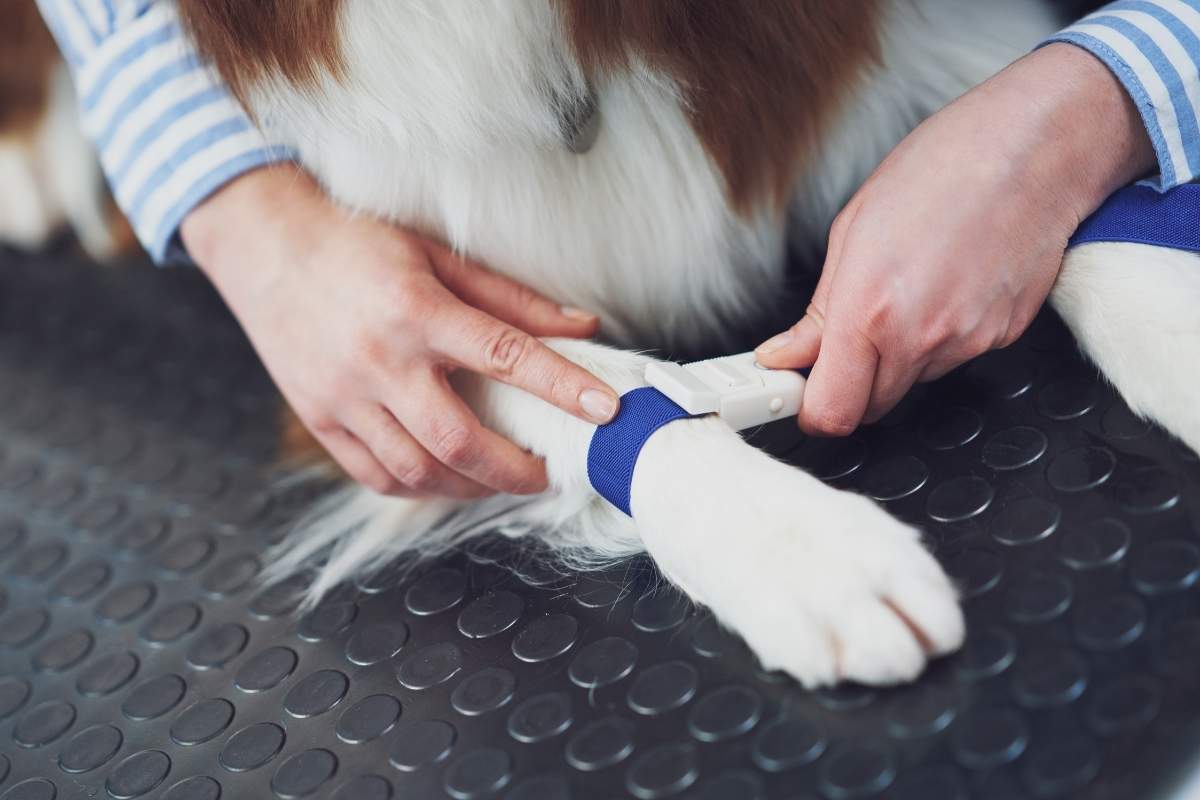
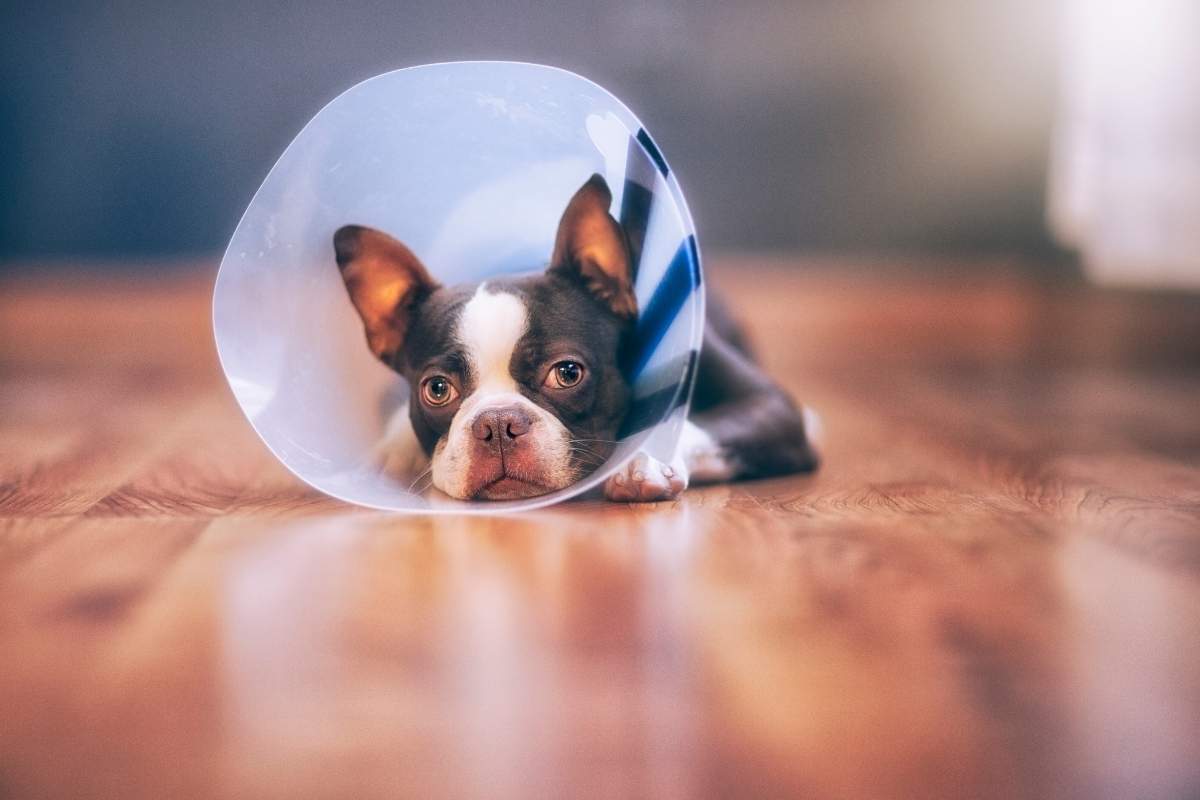
When a dog undergoes ACL surgery, the recovery period plays a crucial role in restoring mobility and preventing future injuries. The anterior cruciate ligament (ACL), often referred to as the cranial cruciate ligament (CCL) in dogs, helps stabilize the knee joint. When this ligament is damaged, surgery is commonly recommended to restore function and reduce pain. However, the healing process does not end once the procedure is complete.
Post-surgical rehabilitation is essential for rebuilding strength, improving joint flexibility, and helping your dog gradually return to normal activities. Along with veterinary guidance, safe and controlled exercises at home can support recovery and promote healthy movement patterns.
For pet owners in Reno, NV, understanding how to safely support your dog during recovery can make a significant difference in their comfort and long-term mobility.
1. Passive Range of Motion (PROM) Exercises
Passive range of motion exercises help maintain joint flexibility after surgery. While your dog is lying comfortably, gently bend and extend the affected leg within a natural range.
This movement helps prevent stiffness and improves circulation around the joint. Always perform PROM exercises slowly and stop if your dog appears uncomfortable.
2. Short Controlled Leash Walks
Once your veterinarian approves light activity, short leash walks can be introduced gradually. Start with slow, controlled walks on flat surfaces for just a few minutes at a time.
Controlled movement encourages gentle use of the healing limb and helps your dog regain confidence in walking.
3. Sit-to-Stand Exercises
The sit-to-stand exercise helps strengthen the muscles surrounding the knee joint. Encourage your dog to sit and then slowly stand using treats or verbal cues.
This simple movement helps rebuild muscle strength and improves balance during the recovery process.
4. Weight Shifting
Weight shifting exercises help your dog gradually place weight on the recovering leg. While your dog is standing, gently move their hips side to side so they shift their weight evenly between both legs.
This exercise encourages stability and strengthens supporting muscles around the joint.
5. Balance Exercises
Balance exercises can help improve coordination during recovery. You can encourage your dog to stand on slightly uneven surfaces such as a cushion or foam pad.
This activity engages stabilizing muscles and improves joint awareness while keeping the exercise low-impact.
6. Slow Incline Walking
Walking up a gentle slope or incline can help strengthen your dog’s hind leg muscles. Start with a mild incline and keep sessions short to avoid overexertion.
Incline walking helps build muscle gradually and improves joint support as your dog continues to recover.
7. Step-Over Exercises
Placing small obstacles, such as broom handles or low poles, on the ground encourages your dog to carefully lift and place their feet as they walk.
This exercise helps improve coordination and encourages proper limb movement during recovery.
8. Figure-Eight Walking
Once your dog is comfortable walking on a leash, practicing slow figure-eight patterns can help improve balance and joint mobility.
Turning gently in both directions encourages the knee joint to move naturally and strengthens surrounding muscles.
9. Gentle Massage Therapy
Massage therapy can help relax tight muscles and improve blood circulation around the surgical area. Light massage around the surrounding muscles—not directly on the incision—may help reduce stiffness and support healing.
Massage can also help your dog feel calmer during the recovery process.
10. Hydrotherapy (If Recommended)
Hydrotherapy is a low-impact exercise often recommended after pet surgery because water helps support your dog’s weight while allowing safe movement.
Swimming or walking in a controlled water environment can help improve strength and flexibility while minimizing stress on the healing joint.
Supporting a Safe Recovery
While these exercises can help a dog recover after ACL surgery, it is important to follow your veterinarian’s recommendations carefully. Recovery timelines vary depending on factors such as your dog’s age, size, and overall health.
In addition to rehabilitation exercises, monitoring your dog’s incision site, limiting excessive activity, and attending follow-up appointments are important aspects of recovery after pet surgery.
Helping Your Dog Regain Strength and Mobility
Rehabilitation is a gradual process that requires patience and consistency. By incorporating safe home exercises, pet owners can play an active role in supporting their dog’s recovery and improving long-term joint health.
For dog owners in Reno, NV, working closely with veterinary professionals can help ensure that recovery after ACL surgery progresses safely and effectively.
If you have questions about your dog’s rehabilitation plan, you may consider discussing your pet’s recovery progress with experienced professionals at Aspen Animal Wellness. If your dog requires a post-surgical evaluation or rehabilitation guidance, you can book an appointment with Aspen Animal Wellness to ensure your pet is healing properly.
FAQs:
Q1. How long does it take for a dog to recover after ACL surgery?
Ans. Most dogs require 8 to 12 weeks for significant recovery, although full healing and muscle rebuilding may take several months.
Q2. When can my dog start exercising after ACL surgery?
Ans. Light, controlled activity usually begins a few weeks after surgery, depending on your veterinarian’s recommendations.
Q3. What signs should I watch for during recovery?
Ans. Watch for swelling, limping, decreased appetite, or discomfort. If you notice unusual symptoms, contact your veterinarian.
Q4. Can my dog climb stairs after ACL surgery?
Ans. Stairs should generally be avoided in the early stages of recovery unless specifically approved by your veterinarian.
Q5. Are home exercises really necessary after ACL surgery?
Ans. Yes. Controlled rehabilitation exercises help restore strength, improve joint mobility, and reduce the risk of future injuries.
Q6. Can older dogs recover successfully from ACL surgery?
Ans. Many older dogs recover well with proper surgery, rehabilitation exercises, and veterinary supervision.