7025 Longley Lane, Suite 40, Reno, NV 89511



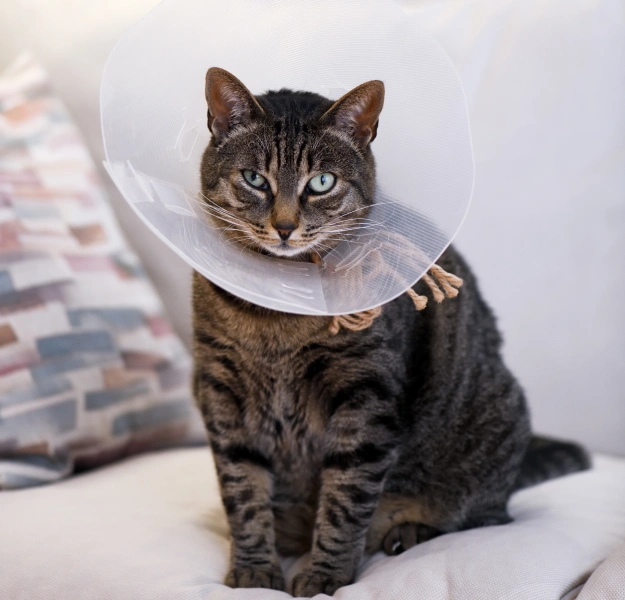

Top-notch Cat Surgery for Your Feline Friend
If you think your cat needs surgery, ensure it is in the best hands. Whether it’s a routine procedure or something more complex, surgery can be a critical part of your cat’s healthcare. The right procedure, along with proper post-operative care, can dramatically improve your cat’s quality of life. Preventative care to treating injuries, every surgical service for cats is essential to help improve your cat’s well-being, and we are committed to providing the safest, most effective care.
At Aspen Animal Wellness, we know how important your cat’s health is to you. When surgery is necessary, you want to be sure that your feline companion is in capable hands. Our team offers a wide range of cat surgery in Reno, NV, ensuring your cat’s safety, comfort, and a smooth recovery every time.
Common Types of Surgeries for Cats
Cats undergo a variety of surgeries, depending on their specific needs. Whether it’s a spay or neuter, orthopedic procedure, or dental surgery, these procedures are done with your cat’s well-being in mind. Here are some of the most common types of surgery:
Preparing for Your Cat’s Surgery
Proper preparation is essential to ensure that your cat is ready for surgery and recovers smoothly afterward. Here’s what you can do to help:
- Pre-Surgery Consultation : Before your cat undergoes surgery, a thorough consultation is required, which will include a complete physical exam and any necessary blood tests to evaluate your cat’s overall health. Consulting will ensure your cat is fit for surgery and help us identify any underlying conditions that could affect the procedure.
- Fasting Before Surgery : Your cat will need to fast before surgery, generally for 12 hours, to help prevent complications during anesthesia. Water is usually allowed, but it’s important to follow our instructions regarding food intake to keep your cat safe.
- Anesthesia Monitoring : During surgery, your cat will be carefully monitored under anesthesia. Advanced equipment ensures that we keep track of vital signs like heart rate and oxygen levels to ensure your cat’s safety throughout the procedure.
- Aftercare and Recovery : The recovery process after every surgical service for cats is just as important as the surgery itself. After the surgery, your cat will need time to heal and rest. Proper aftercare will help your cat recover comfortably and prevent complications.
- Post-Surgery Care : Your cat will likely experience some pain after surgery. We provide pain management options to keep your pet comfortable and monitor them closely in the days following the procedure. Specific aftercare instructions will include how to manage their pain, keep their incision site clean, and avoid any activities that could strain their recovery.
- Monitoring the Surgical Site : Keep an eye on the incision site for any signs of infection, such as swelling, redness, or discharge. If you notice anything concerning, please contact us right away. We’ll provide guidelines for scheduling follow-up visits to ensure your cat is healing properly.
- Limiting Activity : Following surgery, it's crucial to restrict your cat’s activity to help avoid strain on the healing site. Limiting physical activity, such as jumping or running, helps the incision heal properly and reduces the risk of complications.
Local Factors for Cat Surgery
Reno residents are familiar with the area’s dry climate and the seasonal changes that affect both people and pets. Cats are no exception, and the local environment can contribute to skin conditions and other health concerns.
As temperatures fluctuate, maintaining proper hydration and moisture in your cat’s skin and coat is essential. Regular vet check-ups, combined with a tailored approach to care, keep your cat in optimal health, whether indoors or out. We take pride in addressing the unique needs of cats in this area, ensuring they are protected from common weather-related conditions.
When Surgery Is Necessary
Not every health issue requires surgery, but sometimes, it is the most effective way to ensure your cat's well-being. Here are a few signs that surgery may be required:
- Injuries: If your cat suffers from a severe injury, such as a broken bone, deep wound, or internal damage, surgery may be necessary to repair the damage.
- Chronic Pain: Cats with ongoing pain, such as arthritis or dental problems, may need surgical intervention to alleviate discomfort and improve their quality of life.
- Growths or Tumors: Lumps, bumps, or other growths that continue to grow or cause discomfort should be checked by your vet. In some cases, surgical removal may be necessary.
- Blocked Passageways: If your cat experiences a urinary blockage or gastrointestinal obstruction, surgery may be required to clear the blockage and prevent further damage.
Post-Operative Follow-Up
To ensure a successful recovery, follow-up appointments are often necessary, especially after more complex surgeries. These visits allow us to monitor healing progress, remove stitches if needed, and make adjustments to your cat’s recovery plan. Regular check-ins help prevent complications and ensure your cat’s recovery is on track.
Give Your Cat the Best Care
Surgery, though often necessary, can be challenging for both you and your cat. By choosing the right veterinary team, you can ensure that the procedure goes smoothly and that your cat recovers fully. Contact us today to schedule a consultation for cat surgery in Reno and get the treatment your cat needs. We are here to help your cat live a healthy, happy life, and we look forward to working with you to achieve that goal.