7025 Longley Lane, Suite 40, Reno, NV 89511




Advanced Surgical Care for Cruciate Ligament Injuries
When your dog suddenly starts limping or struggling to stand, it could be more than just a pulled muscle. One of the most common causes of lameness in dogs is a cranial cruciate ligament (CCL) injury, similar to an ACL tear in humans. At Aspen Animal Wellness in Reno, we offer Tibial Plateau Leveling Osteotomy (TPLO), a trusted surgical solution that helps your pet walk, run, and play again without pain.
What is a CCL Injury?
A CCL injury affects the ligament that stabilizes your dog’s knee joint. While it may seem like a sudden injury, most CCL problems develop over time. The ligament weakens, leading to inflammation, pain, and joint instability. Your pet may limp, favor one leg, or struggle to rise after resting.
If left untreated, a CCL injury can lead to long-term joint damage. Here’s what typically happens:
- Swelling worsens over time, causing discomfort and reduced mobility
- Arthritis sets in, making joint movement painful and stiff
- Muscle loss develops as your pet avoids using the injured leg
- Lameness becomes chronic, and simple activities grow more difficult
- Surgery becomes necessary in most cases for lasting relief and function
Prior to Undergoing TPLO Surgery
Before surgery, our veterinary team will take detailed digital X-rays to plan the procedure accurately. Your pet will also receive a comprehensive pre-surgical evaluation, which includes blood tests and imaging to ensure overall health and readiness for anesthesia.
After the TPLO Surgical Procedure
After surgery:
- Post-operative X-rays are taken to verify the corrected tibial angle and proper placement of the implants.
- A bandage is applied to protect the surgical incision.
Upon discharge, your dog will go home with pain medication, antibiotics, and detailed instructions to guide a smooth recovery process.
TPLO Success Rate and Risks
TPLO surgery has been performed successfully for decades and offers one of the best long-term outcomes for dogs with CCL injuries. Most dogs regain full use of the leg and return to normal activity after recovery.
However, like all surgeries, there are potential risks. These may include:
- Infection at the incision site
- Arthritis progression
- Meniscal injury (cartilage damage)
- Implant loosening or bone fracture near implants
- Patellar (kneecap) shifting
Our team monitors every case closely and will guide you through each step of recovery. It’s also important to know that due to the degenerative nature of the injury, some pets may develop the same problem in the other leg later, often within two years.
Recovery After TPLO Surgery
Recovery is a crucial part of the TPLO surgery process. Most dogs require at least 12 weeks of limited activity to ensure proper healing of the bone and joint. A structured rehabilitation plan, including controlled leash walks, physical therapy, and guided at-home exercises, can greatly enhance recovery and long-term mobility.
Here’s what you can expect:
- Incision healing: Stitches are usually ready to be removed in 10–14 days.
- Swelling control: Ice therapy is beneficial. Apply ice to the leg 3–4 times daily for 10–15 minutes, especially in the first five days after surgery.
- E-collar use: This is essential. Chewing or licking the incision greatly increases the risk of infection. Keeping the collar on prevents complications and helps healing go smoothly.
- Daily progress: Your pet should begin putting more weight on the leg each day. If anything seems off, contact our team immediately.
Progress Exams will be scheduled to monitor your dog’s progress and adjust the recovery plan as needed to ensure they return to their normal routines as well as possible.
Why Choose Aspen Animal Wellness
At Aspen Animal Wellness in Reno, Nevada, your pet is treated with the same care and attention we’d give our own. Our experienced team takes time to explain every step of the process, from diagnosis to recovery. We tailor every plan to your dog’s specific needs and stay in touch with you throughout healing.
We’re proud to offer trusted TPLO surgery backed by years of success, local knowledge, and genuine compassion.
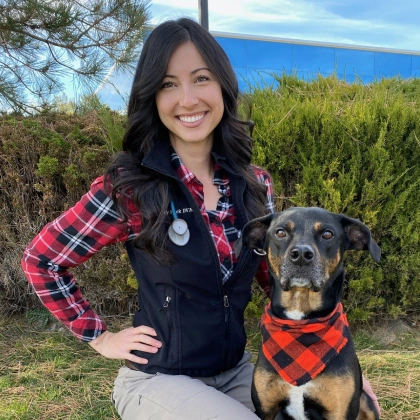
Meet Our TPLO Surgeons
Our surgeons are experts in the TPLO procedure — an advanced surgical technique designed to promote faster recovery and lasting stability for your pet’s knee.