7025 Longley Lane, Suite 40, Reno, NV 89511



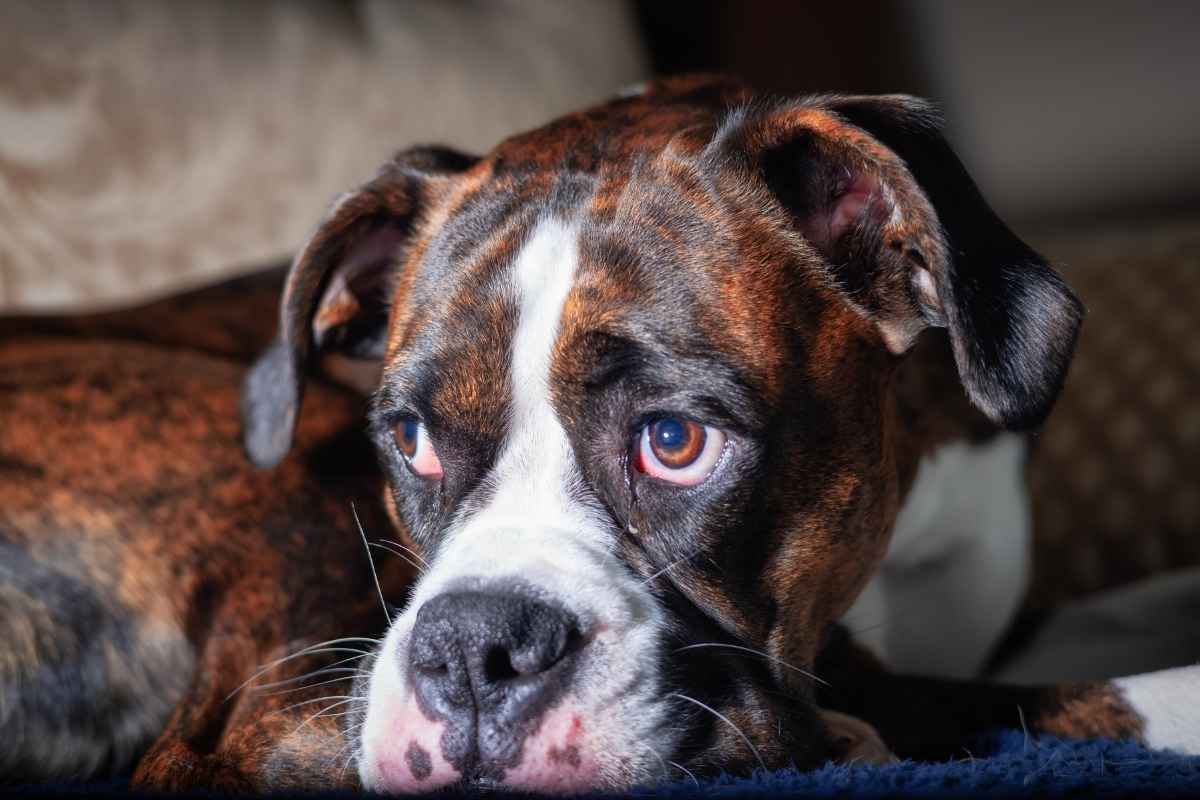
Caring for your dog after surgery is an essential part of ensuring a smooth and comfortable recovery. Proper nutrition plays a key role in helping your pet heal, regain strength, and avoid complications. At Aspen Animal Wellness, we understand that pet owners often have questions about what to feed their dogs after a procedure. Whether your dog has undergone a routine neuter or another type of veterinary surgery, choosing the right diet can make a noticeable difference in recovery. This guide explains the best food options and feeding practices to support healing, especially for pet owners in Reno, NV.
Why Nutrition Matters After Neuter Surgery
After neuter surgery, your dog’s body focuses on repairing tissues and recovering from anesthesia. During this time, the right diet can:
- Promote faster healing
- Support immune function
- Reduce inflammation
- Help maintain energy levels
Some dogs may also experience a temporary loss of appetite, making it important to offer food that is both appealing and easy to digest.
Best Food After Dog Neuter Surgery
1. Lean, Easily Digestible Protein
Protein is essential for tissue repair. Good options include:
- Boiled chicken (no seasoning)
- Turkey
- Plain scrambled eggs
These foods are gentle on the stomach and help rebuild strength after veterinary surgery.
2. Bland Carbohydrates
Simple carbohydrates can help soothe the digestive system. Consider:
- White rice
- Boiled potatoes
- Plain pasta
These foods provide energy while being easy to digest, especially in the first few days after surgery.
3. Pumpkin and Fiber-Rich Foods
A small amount of plain pumpkin can help regulate digestion and prevent constipation, which can sometimes occur after anesthesia.
4. Prescription Recovery Diets
Veterinarians may recommend specially formulated recovery diets. These foods are balanced to provide essential nutrients in smaller portions and are often ideal for post-surgical care.
5. Wet Food or Moistened Kibble
Soft food is easier to eat and digest after surgery. You can:
- Offer canned dog food
- Add warm water or low-sodium broth to dry food
This also helps keep your dog hydrated.
Foods to Avoid After Surgery
Certain foods can slow down recovery or cause discomfort. Avoid:
- Fatty or greasy foods
- Spicy or seasoned table scraps
- Dairy products (if your dog is sensitive)
- Hard treats or bones
Keeping your dog’s diet simple and clean is key during recovery.
Feeding Tips for a Smooth Recovery
To support your dog’s healing process:
- Start with small portions and gradually increase
- Monitor appetite and water intake
- Stick to a consistent feeding schedule
- Provide a calm environment during meals
It’s normal for your dog to eat less during the first 24 hours, but appetite should gradually return.
How Long Should You Feed a Recovery Diet?
Most dogs can return to their regular diet within 5–7 days after neuter surgery. However, this depends on your dog’s overall health and recovery progress. Always follow your veterinarian’s recommendations for the best results.
When to Contact a Veterinarian
While recovery is usually straightforward, you should seek professional advice if you notice:
- Refusal to eat for more than 48 hours
- Vomiting or diarrhea
- Signs of pain or discomfort
- Unusual lethargy
Timely care can help prevent complications and ensure a faster recovery.
Supporting Your Dog Beyond Diet
In addition to proper nutrition, make sure your dog gets:
- Plenty of rest
- Limited physical activity
- A clean and comfortable recovery space
These steps, combined with a proper diet, play a vital role in post-surgical healing.
Feeding your dog the right food after neuter surgery is one of the most important steps you can take to support their recovery. By choosing easily digestible, nutrient-rich meals and following proper feeding practices, you can help your pet heal faster and more comfortably. If you have concerns about your dog’s diet or recovery, professional guidance can make all the difference.
Helping your dog recover from surgery requires patience, care, and attention to detail. If you need personalized advice or support, you can schedule your appointment at Aspen Animal Wellness. If you’re in Reno, NV, and want to ensure your pet receives the best possible care after surgery, working with a trusted veterinary team can help your dog return to normal life quickly and safely.
FAQs:
Q1. What is the best food after dog’s neuter surgery?
Ans. Easily digestible foods like boiled chicken, rice, and pumpkin are ideal for recovery.
Q2. How soon can my dog eat after surgery?
Ans. Most dogs can eat within 12–24 hours, starting with small portions.
Q3. Is it normal for my dog to lose appetite after neutering?
Ans. Yes, mild appetite loss is common for 1–2 days after surgery.
Q4. Can I give treats after surgery?
Ans. It’s best to avoid treats initially and stick to bland, nutritious foods.
Q5. How long should my dog stay on a soft diet?
Ans. Typically 3–5 days, depending on recovery progress.
Q6. When should I contact a vet after surgery?
Ans. If your dog shows vomiting, diarrhea, or refuses food for more than 48 hours.