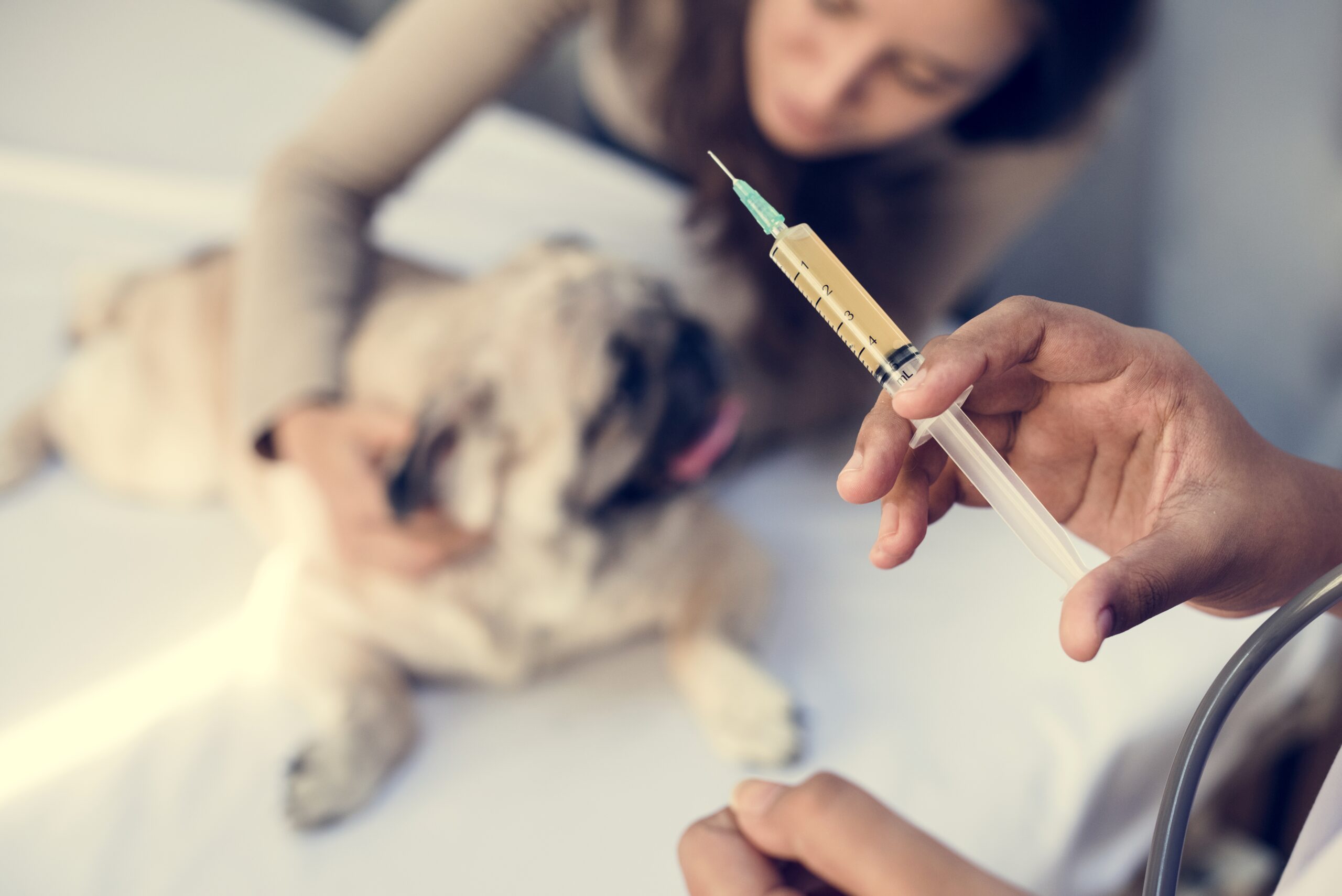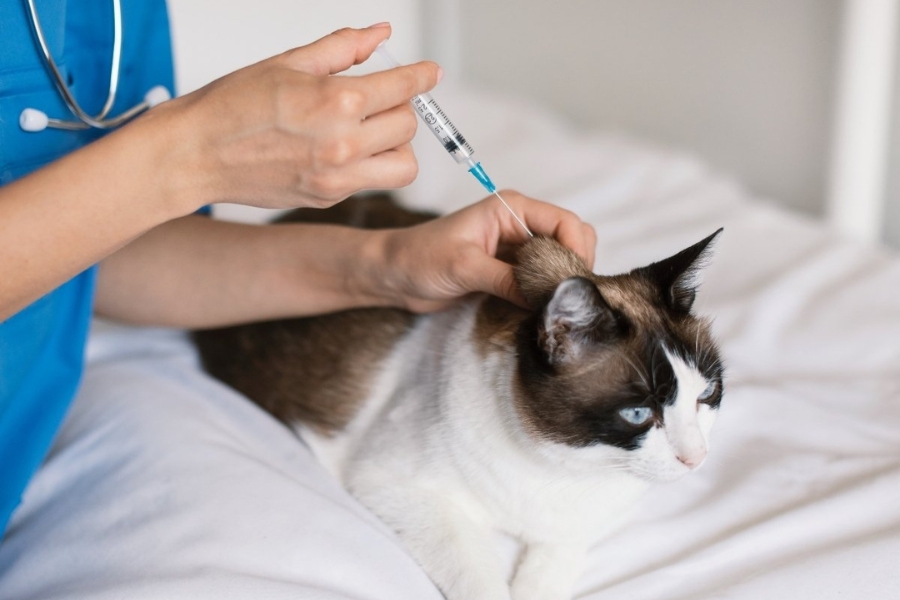


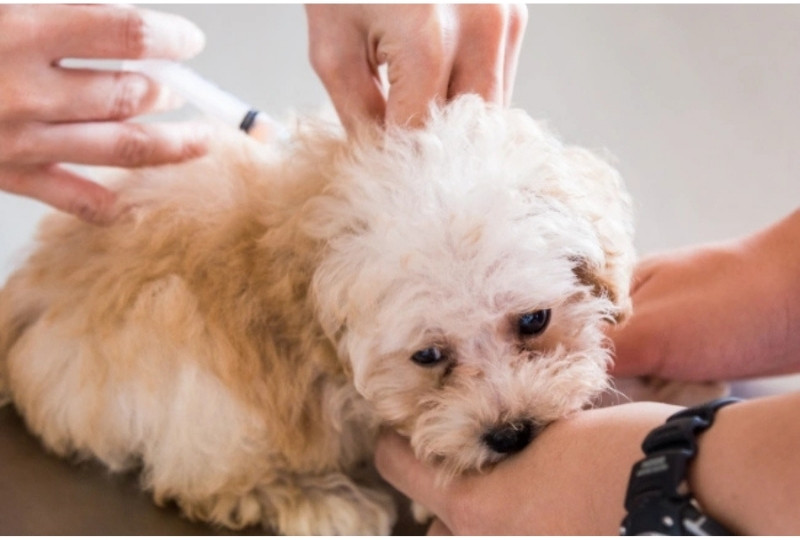
Vaccines are one of the most important steps in keeping pets healthy. They protect against serious diseases, reduce the spread of illness, and give families peace of mind. Puppies especially need a clear vaccination plan during their first year to build strong immunity. For families considering pet vaccination in Reno, NV, knowing the right timeline helps ensure pets stay safe from puppyhood to senior years.
Puppy Vaccinations: Building Immunity Early
The first year is the foundation of lifelong health. Puppies usually begin vaccines at 6 to 8 weeks of age, with boosters given every 3–4 weeks until about 16 weeks old.
Essential vaccines for puppies usually cover:
- Rabies – Legally required and vital for preventing a fatal viral disease.
- Distemper, Parvovirus, and Adenovirus (DAPP) – Protects against highly contagious and often deadly illnesses.
Lifestyle vaccines may also be recommended:
- The Bordetella vaccine, which helps prevent kennel cough, is often recommended for social dogs. For dogs that attend boarding, daycare, or training classes.
- Leptospirosis or Lyme disease is important for dogs who spend time outdoors, on trails, or near wildlife.
Early Adult Years (around ages 1 to 3)
Once a puppy grows into adulthood, vaccines help maintain strong protection. At about one year of age, most dogs receive booster shots. Some vaccines then move to an every-three-year schedule, depending on veterinary guidance.
During this stage, many dogs are exploring the world—joining families on hikes, going to dog parks, or meeting other pets. This makes it especially important to stay current on lifestyle vaccines.
Dogs in their middle years (usually 4 to 7)
By midlife, dogs usually follow a stable vaccination routine. Core vaccines remain essential, and lifestyle vaccines may be added depending on risk.
This is also the time when preventive health care becomes even more important. Regular check-ups give veterinarians the chance to track vaccine needs while also checking weight, dental health, and overall well-being. Wellness services, such as preventive care, help ensure dogs stay healthy beyond vaccines alone.
Older Dogs (typically 8 years and above)
As dogs age, their health and vaccine needs can change. Their immune systems can weaken, and they may face other health concerns. Vaccination schedules for seniors are often personalized—some vaccines remain essential, while others may be adjusted based on lifestyle and overall health.
Your veterinarian will help decide the safest plan. In senior years, the goal is to maintain protection while avoiding unnecessary strain on the body.
Why Timelines Matter
Sticking to a vaccination timeline is about more than individual health—it helps protect the wider pet community. Missing or delaying vaccines increases the risk of outbreaks, some of which can spread to people as well. For families focused on pet vaccination in Reno, NV, following veterinary recommendations ensures both pets and the community stay safe.
A thoughtful vaccination timeline gives dogs the best defense against preventable diseases. From the first shots in puppyhood to tailored care in the senior years, vaccines are a cornerstone of lifelong health. For families seeking pet vaccination in Reno, NV, working closely with a trusted veterinarian like Aspen Animal Wellness helps make sure your pet stays protected at every stage of life. Combined with regular wellness visits, vaccines provide the foundation for a longer, healthier, and happier life.
Frequently Asked Questions
Q1. When should my puppy get its first vaccines?
Ans. Most puppies start at 6–8 weeks old, followed by boosters until about 16 weeks of age.
Q2. How often do adult dogs need vaccines?
Ans. Some vaccines are yearly, while others are given every three years. Every pet is different, so your veterinarian can design a vaccination plan that fits their lifestyle and health.
Q3. Do indoor dogs still need vaccines?
Ans. Yes. Even indoor pets can be exposed through visitors, other animals, or brief outdoor trips.
Q4. Are vaccines safe for senior dogs?
Ans. Yes, though plans may be adjusted. Your veterinarian will balance protection with overall health in older pets.
Q5. What are lifestyle vaccines, and does my pet need them?
Ans. Lifestyle vaccines protect against risks tied to your pet’s environment. For example, dogs who hike or visit dog parks may need extra protection.
Q6. Where can I get reliable pet vaccinations in Reno, NV?
Ans. Local families trust Aspen Animal Wellness for expert veterinary care, convenient access, and personalized vaccination plans.