7025 Longley Lane, Suite 40, Reno, NV 89511



As a pet owner, your furry companion’s health is your top priority. One of the most effective ways to ensure their long-term well-being is by keeping up with vaccinations. Vaccines protect pets from many life-threatening diseases and can even help prevent outbreaks in your local community. If you’re looking for reliable pet vaccinations in Reno, NV, this guide will explain why they matter and how they benefit both your pet and public health.
Why Are Vaccines Important for Pets?
Vaccinations prepare your pet’s immune system to fight off dangerous diseases. When a vaccine is administered, it stimulates the body to recognize and defend against specific viruses or bacteria, without causing illness. As a result, if your pet encounters the real pathogen later, their immune system responds quickly and efficiently, often preventing the disease altogether.
Protecting Against Serious and Fatal Diseases
Vaccines protect pets from numerous infectious diseases that can otherwise be fatal. For example:
- Canine Parvovirus – A highly contagious and deadly disease in dogs.
- Distemper – A severe illness affecting multiple body systems.
- Rabies – A fatal viral disease that affects all mammals, including humans.
- Feline Leukemia Virus (FeLV) – A common cause of death in cats.
- Leptospirosis – A bacterial disease that can spread from animals to humans.
By vaccinating your pet, you significantly reduce their risk of developing these and other conditions. Consequently, you ensure a healthier, longer life for your furry friend.
Core vs. Non-Core Vaccines
Veterinarians typically divide pet vaccines into two categories:
- Core Vaccines: These are essential for all pets. Core vaccines protect against widespread and dangerous diseases, such as rabies, parvovirus, and distemper.
- Non-Core Vaccines: These are optional, depending on your pet’s lifestyle, exposure risk, and location. For instance, the Bordetella vaccine (kennel cough) is recommended for pets that frequent grooming salons or boarding facilities.
When seeking pet vaccinations in Reno, NV, a qualified veterinarian will assess your pet’s specific needs and recommend the right mix of core and non-core vaccines.
Herd Immunity and Community Protection
Another major benefit of vaccinations is herd immunity. When the majority of pets in an area are vaccinated, it becomes much harder for diseases to spread. Even unvaccinated animals—such as those too young or immunocompromised—benefit from this communal protection.
In other words, by vaccinating your pet, you’re not only protecting them but also contributing to the safety of the broader animal and human population.
Cost-Effective Prevention
Vaccines are far more affordable than treatment for the diseases they prevent. For example, treating parvovirus can cost thousands of dollars and may still result in death. In contrast, a parvo vaccine costs a fraction of that and provides strong protection.
Therefore, regular vaccinations are a smart financial decision as well as a critical part of pet care.
What to Expect During a Vaccination Visit
When you visit your veterinarian for vaccines, here’s what typically happens:
- Health Check: The vet examines your pet to ensure they’re healthy enough for vaccination.
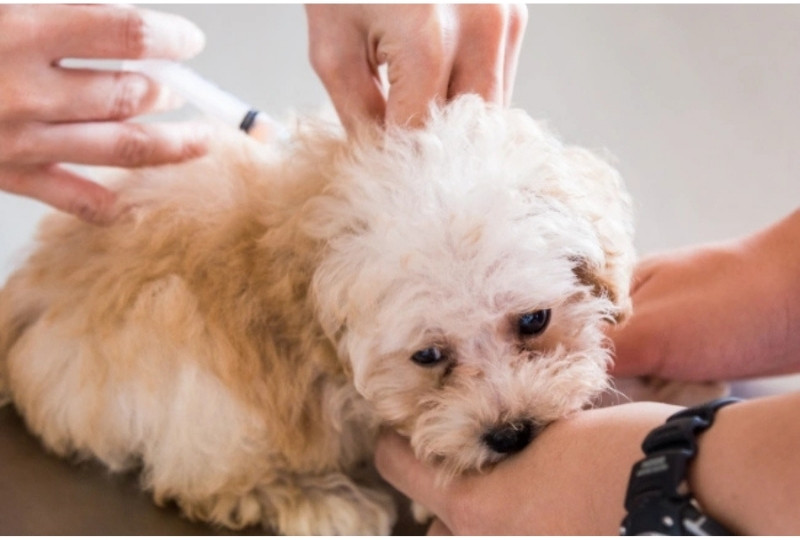
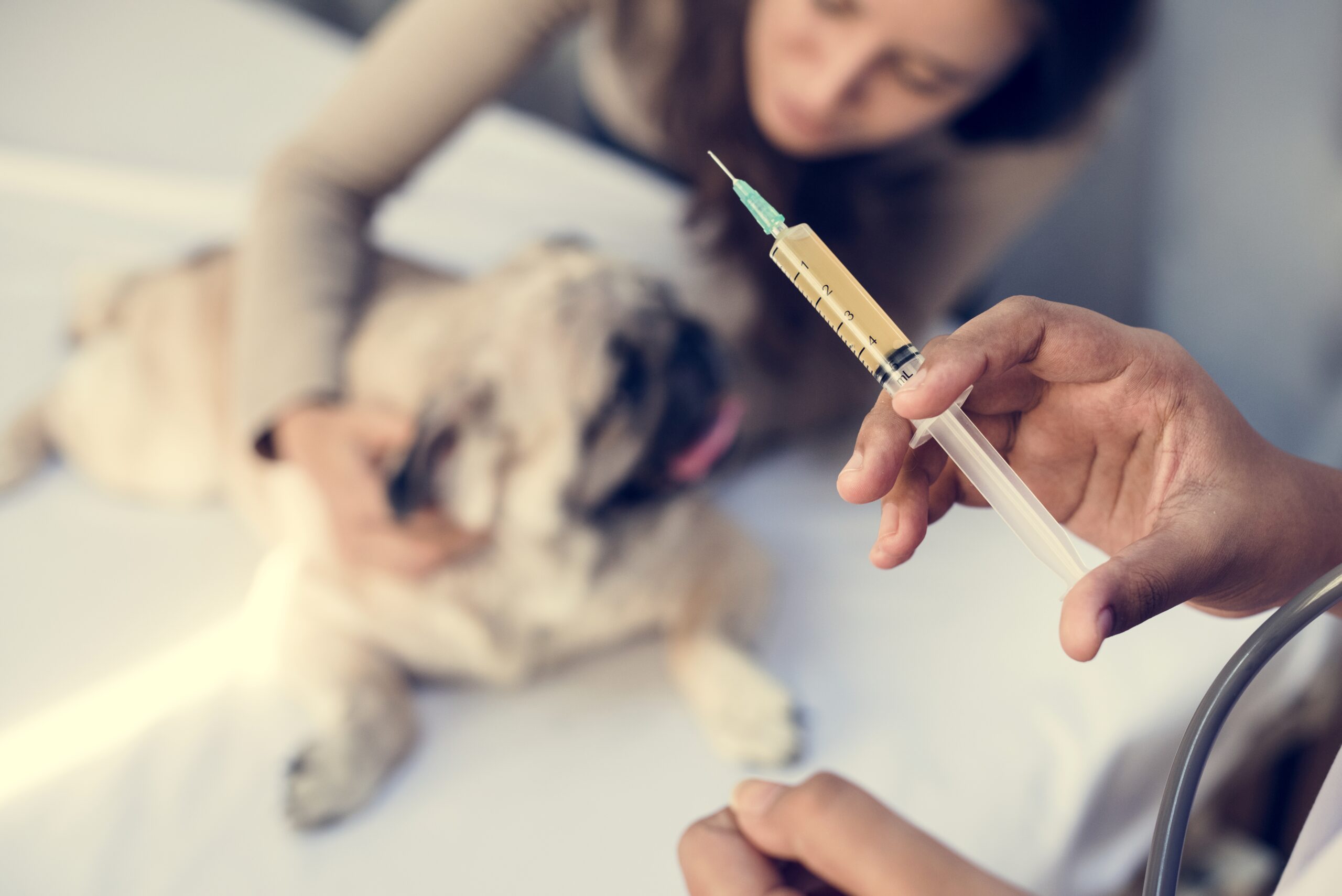
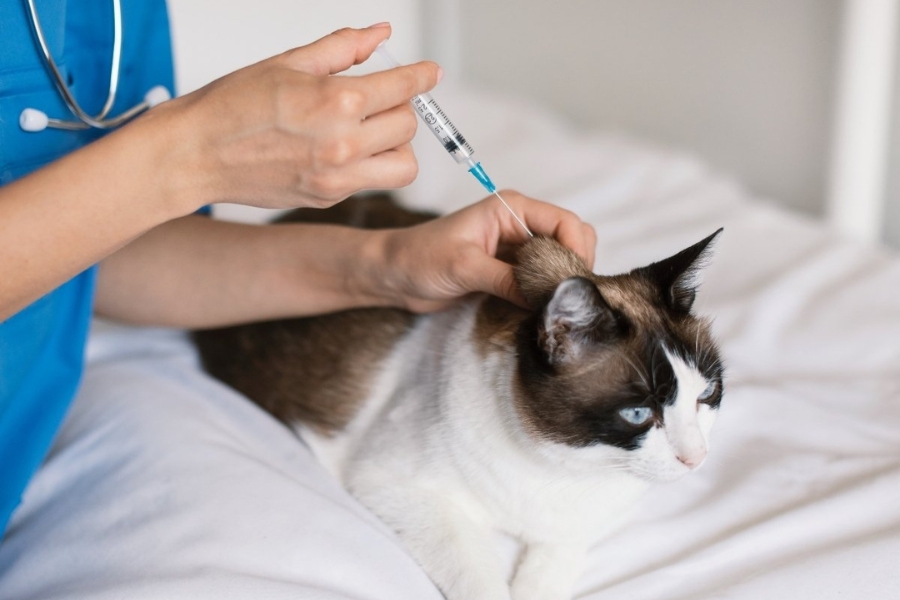
- Administration: The vaccine is injected under the skin or into the muscle.
- Monitoring: You may be asked to observe your pet for a short time after the shot to watch for any rare side effects.
- Documentation: You’ll receive an updated vaccination record, important for travel, boarding, and licensing.
The visit is usually quick and painless, but the protection it offers lasts much longer.
Possible Side Effects and When to Call the Vet
Most pets tolerate vaccines well, but mild side effects may occur, such as:
- Soreness at the injection site
- Slight fever
- Sleepiness for 24–48 hours
These symptoms usually disappear without treatment. However, if your pet experiences vomiting, swelling, difficulty breathing, or collapse, seek veterinary care immediately.
Maintaining a Vaccination Schedule
Your vet will recommend a tailored vaccination schedule. Puppies and kittens typically need a series of shots in their first year, followed by booster vaccines every 1–3 years. Sticking to this schedule is crucial for lasting protection.
Ask your local veterinarian for a reminder service or vaccination record to keep your pet on track.
In conclusion, pet vaccinations are a safe, effective, and affordable way to protect your pet from serious diseases. From rabies to parvovirus, vaccines help prevent suffering, reduce medical costs, and protect your community. Whether you’re a new pet owner or simply need a booster update, prioritizing pet vaccinations in Reno is one of the best decisions you can make for your animal companion.
Keep your pet safe. Keep your community safe. Choose vaccination.
FAQs: Pet Vaccinations
1. Are vaccinations required by law?
Yes. Rabies vaccination is required by law in most states, including Nevada. Check with your vet for local legal requirements.
2. How early should I vaccinate my pet?
Puppies and kittens should begin vaccinations at around 6–8 weeks of age. Your vet will create a series of boosters to ensure full immunity.
3. Can indoor pets skip vaccines?
No. Even indoor pets are at risk from airborne pathogens, human carriers, or unexpected escapes. Vaccination is still essential.
4. Are vaccines safe for senior pets?
Generally, yes. Your vet will evaluate your senior pet’s health to ensure safe vaccination.
5. Can vaccines cause side effects?
Mild side effects are common, but serious reactions are rare. If symptoms persist for more than two days, contact your veterinarian.
6. Where can I get affordable pet vaccinations in Reno, NV?
Many local clinics offer wellness packages and low-cost vaccination events. Ask your vet or local animal shelter for recommendations.