7025 Longley Lane, Suite 40, Reno, NV 89511



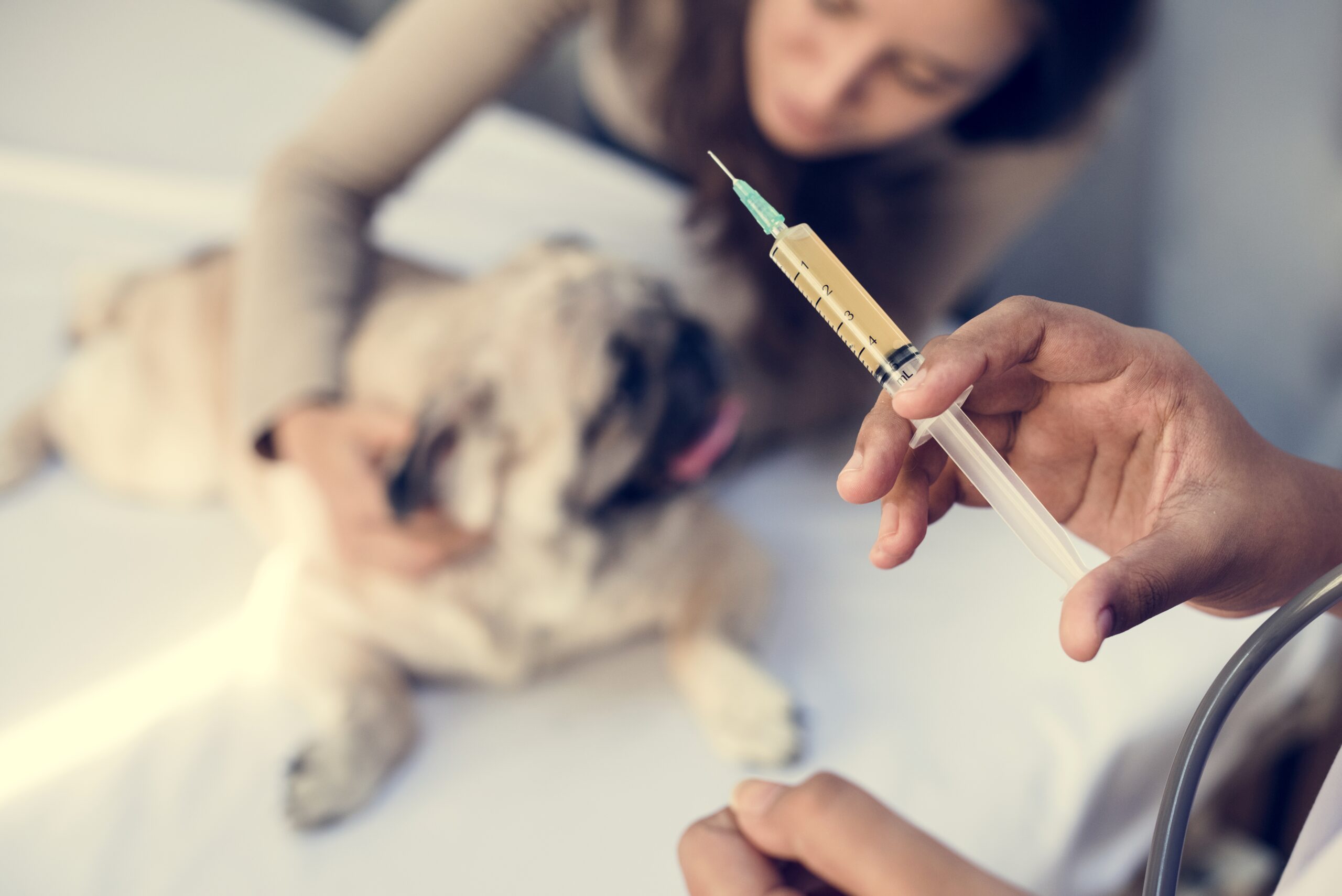
Vaccinations are one of the most important steps you can take to protect your pet’s health. In Reno, where our pets enjoy outdoor adventures and interact with other animals, staying up-to-date on vaccinations is essential to prevent serious illnesses. Yet, many pet owners unknowingly make common Mistakes when vaccinating their pet that compromise their pet’s protection. Whether it’s missing a vaccine, delaying the schedule, or relying on unverified sources, these missteps can leave your furry companions vulnerable to preventable diseases. For pet owners in the Reno area, understanding proper vaccination practices is crucial—not only to safeguard pets but also to protect the community from potential outbreaks.
In this guide, we’ll walk you through the most common mistakes pet owners make when vaccinating their pets and provide actionable advice for safe, effective immunization. By following these tips, you can ensure your pets remain happy, healthy, and well-protected with pet vaccinations in Reno.
How Vaccines Safeguard Your Pet’s Health
Nevada’s unique climate and geography create specific health risks for pets that make vaccinations especially critical. Our region sees cases of rabies in wildlife populations, particularly bats, while the dry climate can concentrate airborne germs responsible for respiratory illnesses in pets. Reno’s proximity to wilderness areas means pets are frequently exposed to wildlife and their associated diseases. Additionally, our community’s love for outdoor activities like hiking and camping increases exposure to ticks, which carry diseases like Lyme disease, though less common here than in other regions.
Proper wellness care in Reno, NV, including vaccination protocols, protects not only your individual pet but also helps maintain community immunity, keeping all local animals safer. Core vaccines prevent diseases that can spread quickly through pet populations, making vaccination a shared responsibility for pet owners in the area. The consequences of skipping or delaying vaccinations can be devastating, with treatment costs for preventable diseases often exceeding significant expenses, along with the emotional strain on pet owners.
Top Mistakes Pet Owners Make When Vaccinating Pets
- Skipping Core Vaccines
- Not Following the Recommended Schedule
- Failing to Keep Vaccination Records
- Using Unverified Clinics or Online Sources
- Ignoring Your Pet’s Health Condition Before Vaccination
Skipping Core Vaccines
One of the most dangerous mistakes pet owners make is skipping core vaccines deemed essential by veterinary professionals. For dogs, core vaccines include DHPP (distemper, hepatitis, parvovirus, parainfluenza) and rabies. Cats benefit from vaccines like FVRCP, which protects against several viral infections, as well as rabies. These vaccines protect against diseases with high mortality rates that can spread easily between animals. Parvovirus, for example, can kill puppies within days and remains viable in the environment for months.
Not Following the Recommended Schedule
Vaccination timing is crucial for developing proper immunity. Puppies and kittens need a series of vaccines spaced 2-4 weeks apart because maternal antibodies interfere with vaccine effectiveness. Missing appointments or extending intervals can leave dangerous immunity gaps. Mature pets should receive periodic booster shots to ensure ongoing immunity. Some vaccines need annual boosters, while others last three years. Your veterinarian creates a customized schedule based on your pet’s age, health status, and lifestyle factors. Delaying vaccines during the puppy or kitten series is particularly risky because young animals have immature immune systems and are most vulnerable to severe disease complications.
Failing to Keep Vaccination Records
Accurate vaccination records are essential for veterinary care, boarding facilities, grooming services, and emergency situations. Many pet owners lose track of their pet’s vaccination history, leading to unnecessary re-vaccination or dangerous immunity gaps. Digital records are increasingly popular and can be accessed from anywhere. Most veterinary clinics now offer online portals where you can view your pet’s complete medical history, including vaccination past vaccination records, and upcoming scheduled doses. Keep physical copies of vaccination certificates as backup, especially for rabies vaccines, which are legally required in Nevada and must be produced for licensing or if your pet is involved in a bite incident.
Using Unverified Clinics or Online Sources
While cost-effective vaccine clinics can provide legitimate services, some pet owners choose providers without proper veterinary oversight or quality controls. Vaccines require specific storage temperatures and handling procedures to remain effective. Reputable clinics employ licensed veterinarians or work under veterinary supervision. They maintain proper cold chain storage, use high-quality vaccines, and can address adverse reactions if they occur. Never purchase vaccines online for home administration unless you have veterinary training. Improper storage, handling, or injection technique can render vaccines ineffective or cause serious complications.
Ignoring Your Pet’s Health Condition Before Vaccination
Vaccinating sick animals can be ineffective and potentially dangerous. Pets with fever, infections, or compromised immune systems may not develop proper immunity and could experience severe adverse reactions. A pre-vaccination examination allows your veterinarian to assess your pet’s health status and determine if vaccination should be delayed. This examination often reveals health issues that might otherwise go unnoticed.
Pets on certain medications, undergoing cancer treatment, or with autoimmune conditions require special vaccination protocols. Your veterinarian will modify the schedule and vaccine selection based on these individual factors.
Tips for Safe and Effective Pet Vaccinations in Reno
- Schedule vaccinations during times when your veterinarian can monitor your pet for reactions. Most adverse reactions occur within the first few hours after vaccination.
- Ask your veterinarian about your pet’s specific risk factors based on lifestyle and the areas of Reno you frequent. Pets that visit dog parks, hiking trails, or boarding facilities may need additional vaccines beyond core requirements.
- Keep a vaccination diary noting any reactions, however minor, to discuss with your veterinarian. Some pets benefit from pre-medication or modified schedules to minimize reactions.
- Research your veterinarian’s emergency protocols and after-hours contact information before vaccination appointments. While serious reactions are rare, knowing how to get help quickly provides peace of mind.
- Consider timing vaccinations before weekends or holidays when your regular veterinarian is available, especially for pets with previous reaction histories.
- For Reno pet vaccinations, choose providers who understand local disease risks and can customize protocols for our unique environment and lifestyle factors.
Avoiding these common vaccination mistakes protects your pet’s health and saves money in the long run. Proper vaccination protocols, administered by qualified professionals on appropriate schedules, provide the best protection against preventable diseases. Remember that vaccination is an ongoing process throughout your pet’s life, not a one-time event. Regular veterinary consultations ensure your pet receives appropriate protection as their needs change with age and lifestyle.
Don’t wait until it’s too late – schedule your pet’s vaccination appointment today. Protecting your pet through proper pet vaccinations, Reno veterinarians recommend, is one of the most loving and responsible actions you can take as a pet owner.
FAQs
Q1: How often should my pet get vaccinated in Reno?
Ans. Most pets receive annual vaccines, though some may require boosters every 1–3 years. Your vet can recommend a schedule based on age and lifestyle.
Q2: Are there vaccines required by law in Reno?
Ans. Yes, rabies vaccination is legally required for all dogs and cats in Nevada.
Q3: Can my healthy adult pet skip vaccines?
Ans. Core vaccines are essential for all pets, regardless of age, to prevent serious diseases.
Q4: What should I do if my pet has a mild reaction after vaccination?
Ans. Mild reactions like soreness or slight fever are normal. Reach out to your veterinarian if your pet’s symptoms continue or get worse.
Q5: Can I buy vaccines online for my pet?
Ans. It’s not recommended. Online vaccines may be improperly stored or expired. Always use a licensed veterinary clinic.
Q6: What should I do if I miss my pet’s scheduled vaccination
Ans. If a vaccine is overdue, contact your veterinarian as soon as possible. They can help create a catch-up schedule to ensure your pet regains full protection safely.