7025 Longley Lane, Suite 40, Reno, NV 89511



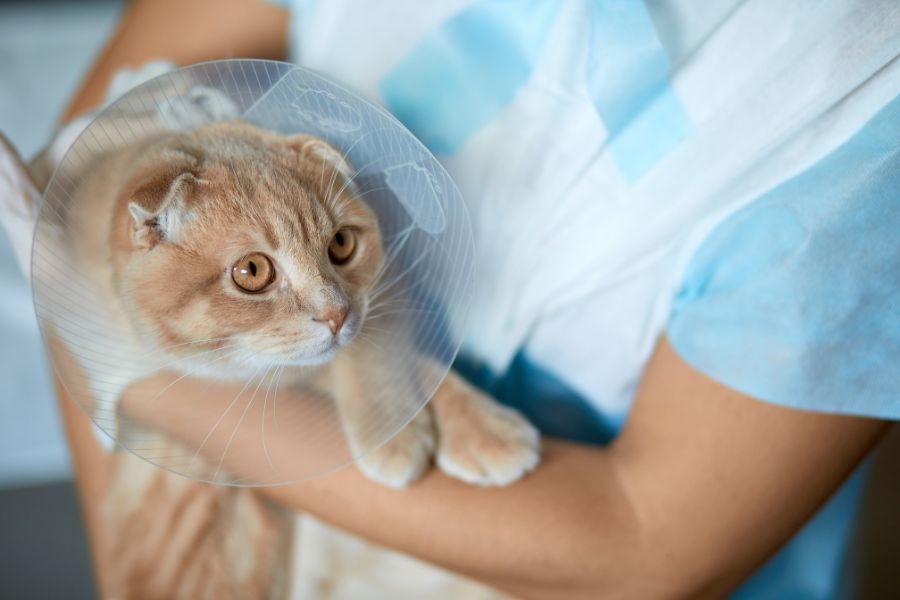
Facing the news that your pet needs surgery can be both overwhelming and stressful. Whether it’s a routine spay or neuter, or a more complex orthopedic procedure, knowing what to expect can ease your concerns and help your pet recover successfully.
In this guide, we’ll walk you through the entire surgical process—from the initial consultation to post-operative care. Our goal is to equip you with the knowledge and confidence you need to support your furry friend every step of the way.
1. Initial Diagnosis and Pre-Surgical Consultation
The journey begins with a veterinary consultation. During this appointment, your veterinarian will explain why the surgery is necessary, what the procedure entails, and the risks involved. Be sure to ask questions, take notes, and fully understand the reason for surgery.
Depending on the condition, your vet might also recommend blood work, X-rays, or other diagnostic tests to ensure your pet is healthy enough for anesthesia. These pre-operative steps are crucial to identify any underlying issues that could complicate surgery.
Tip: Bring a list of your pet’s medications and medical history to the consultation.
2. Preparing Your Pet for Surgery
Once the procedure is scheduled, you’ll receive pre-operative instructions. These often include fasting your pet for 8–12 hours before surgery. This is done to prevent complications while under anesthesia.
Additionally, you might be asked to:
- Withhold water the morning of the procedure
- Administer or stop certain medications
- Keep your pet indoors the night before
It’s important to follow these instructions precisely. Any deviation could delay or cancel the surgery.
3. What Happens on Surgery Day
On the day of the surgery, you’ll drop your pet off at the veterinary hospital. A veterinary technician will admit your pet and go over the surgical consent form with you.
After admission, the vet team will:
- Perform a final physical examination
- Administer pre-anesthetic medications
- Insert an IV catheter for fluids and medications
- Monitor vital signs continuously
The surgery itself will be conducted under general anesthesia. Your pet will be closely monitored throughout the procedure using ECG, oxygen levels, and blood pressure monitors to ensure their safety.
4. Recovery and Immediate Post-Surgery Care
Once the surgery is complete, your pet will be moved to a quiet recovery area. The veterinary team will watch for signs of pain, monitor breathing, and make sure your pet is waking up safely from anesthesia.
You’ll typically receive a call when your pet is in recovery, along with an update on how the procedure went. Depending on the surgery, some pets go home the same day, while others may need to stay overnight.
Before discharge, your vet will go over post-operative instructions, including:
- Pain management (medications and dosage)
- Activity restrictions
- Wound care
- Signs of complications to watch for
5. Post-Surgical Home Care
Caring for your pet at home is one of the most important parts of the recovery process. Follow your veterinarian’s instructions closely to avoid infections, reopenings of incisions, or other setbacks.
Key things to focus on:
- Rest: Limit physical activity. Use crates, gates, or small rooms to keep your pet calm.
- Incision Monitoring: Check the incision daily for redness, swelling, or discharge.
- Medication Compliance: Give all medications exactly as prescribed.
- Nutrition: Your pet may eat less for a day or two. Stick to soft, easy-to-digest foods if recommended.
- Follow-Up Appointments: Attend all scheduled rechecks to ensure proper healing.
If your pet shows signs of distress, fever, or any unusual behavior, contact your vet immediately.
6. Emotional Support for You and Your Pet
Surgery is not only physically demanding for your pet—it’s emotionally challenging for you too. It’s natural to feel anxious, but knowing you’re prepared can make a huge difference.
You can support your pet by:
- Offering a calm, comforting presence
- Using positive reinforcement during medication times
- Keeping the environment quiet and stress-free
- Following your vet’s care plan to the letter
Remember, pets pick up on our emotions. The more relaxed and confident you are, the more secure your pet will feel.
Understanding what to expect when your pet needs surgery can significantly reduce stress and improve outcomes. By being prepared, following veterinary instructions, and providing loving care, you’ll play a vital role in your pet’s recovery.
If you’re looking for experienced and compassionate pet surgery in Reno, NV, trust your local veterinary team to guide you through every step with professionalism and care.
FAQs
Q1. Is anesthesia safe for pets?
Ans. Yes, modern anesthesia is very safe. Vets conduct pre-surgical blood work and monitor pets continuously to minimize risks.
Q2. How long does pet surgery take?
Ans. It depends on the type of surgery. Routine procedures may take 30–60 minutes, while orthopedic or emergency surgeries could take several hours.
Q3. Will my pet be in pain after surgery?
Ans. Some discomfort is normal, but your vet will prescribe pain relief to manage it effectively.
Q4. How can I tell if something is wrong after surgery?
Ans. Watch for signs like excessive swelling, bleeding, loss of appetite, vomiting, or lethargy. If in doubt, call your vet.
Q5. Should I change my pet’s diet after surgery?
Ans. In most cases, your pet can resume their regular diet within 24–48 hours unless your vet advises otherwise.
Q6. When can my pet resume normal activities?
Ans. Activity should be limited for 10–14 days or until your vet gives the all-clear. Overexertion can cause serious setbacks.