7025 Longley Lane, Suite 40, Reno, NV 89511



Many pet owners focus on vaccinations, nutrition, and exercise when thinking about preventive veterinary care, but dental health is often overlooked. Routine dental cleanings are an essential part of maintaining a pet’s overall health and can help prevent serious medical problems that develop silently over time.
At Aspen Animal Wellness, veterinarians regularly educate pet owners about the connection between oral health and long-term wellness. Dental disease affects a large percentage of dogs and cats by the age of three, yet many pets show few obvious signs until the condition becomes advanced.
For pet owners in Reno, dry climate conditions, diet, aging, and inconsistent dental care routines can all contribute to oral health issues in pets. Understanding why professional dental cleanings matter can help families make informed decisions about preventive care and improve their pets’ quality of life.
Why Dental Health Matters for Pets
A pet’s mouth contains bacteria that naturally build up over time. Without proper cleaning, plaque hardens into tartar, leading to inflammation, infection, and gum disease.
Dental disease does not only affect the mouth. Bacteria from untreated oral infections can spread through the bloodstream and potentially impact major organs such as the heart, liver, and kidneys.
Preventive dental care helps reduce these risks while supporting a pet’s comfort, appetite, and overall wellbeing.
Common Signs of Dental Disease in Pets
Dental problems often progress gradually, making them difficult for pet owners to notice early.
Common warning signs include:
- Bad breath
- Yellow or brown tartar buildup
- Red or bleeding gums
- Difficulty chewing
- Dropping food while eating
- Pawing at the mouth
- Excessive drooling
- Loose or damaged teeth
- Reduced appetite
Some pets continue eating despite severe dental pain, which is why routine veterinary exams are important even when symptoms seem mild.
What Happens During a Professional Dental Cleaning?
Professional dental cleanings involve much more than cosmetic teeth polishing. Veterinary dental procedures are designed to thoroughly evaluate and treat oral health problems safely and effectively.
A typical dental cleaning may include:
Oral Examination
Veterinarians examine the teeth, gums, tongue, and oral tissues for signs of disease, infection, fractures, or abnormalities.
Dental X-Rays
Many dental problems develop below the gumline, where they cannot be seen during a visual exam alone. X-rays help identify hidden infections, bone loss, and damaged tooth roots.
Scaling and Polishing
Plaque and tartar are removed from above and below the gumline using specialized equipment. Teeth are then polished to smooth the surface and slow future buildup.
Tooth Extractions if Necessary
Severely damaged or infected teeth may need to be removed to relieve pain and prevent worsening infection.
How Dental Cleanings Support Preventive Care
Routine dental care helps veterinarians detect health issues before they become more serious and costly to treat.
Reduces the Risk of Periodontal Disease
Periodontal disease is one of the most common medical conditions in pets. Early cleanings help prevent gum infection and tooth loss.
Improves Comfort and Quality of Life
Oral pain can affect eating habits, mood, and daily activity. Maintaining healthy teeth and gums supports a pet’s comfort and overall behavior.
Supports Internal Organ Health
Reducing oral bacteria may help lower the risk of bacteria spreading to internal organs through the bloodstream.
Encourages Early Detection of Other Problems
During dental evaluations, veterinarians may discover oral tumors, fractures, infections, or other medical concerns requiring treatment.
The Role of At-Home Dental Care
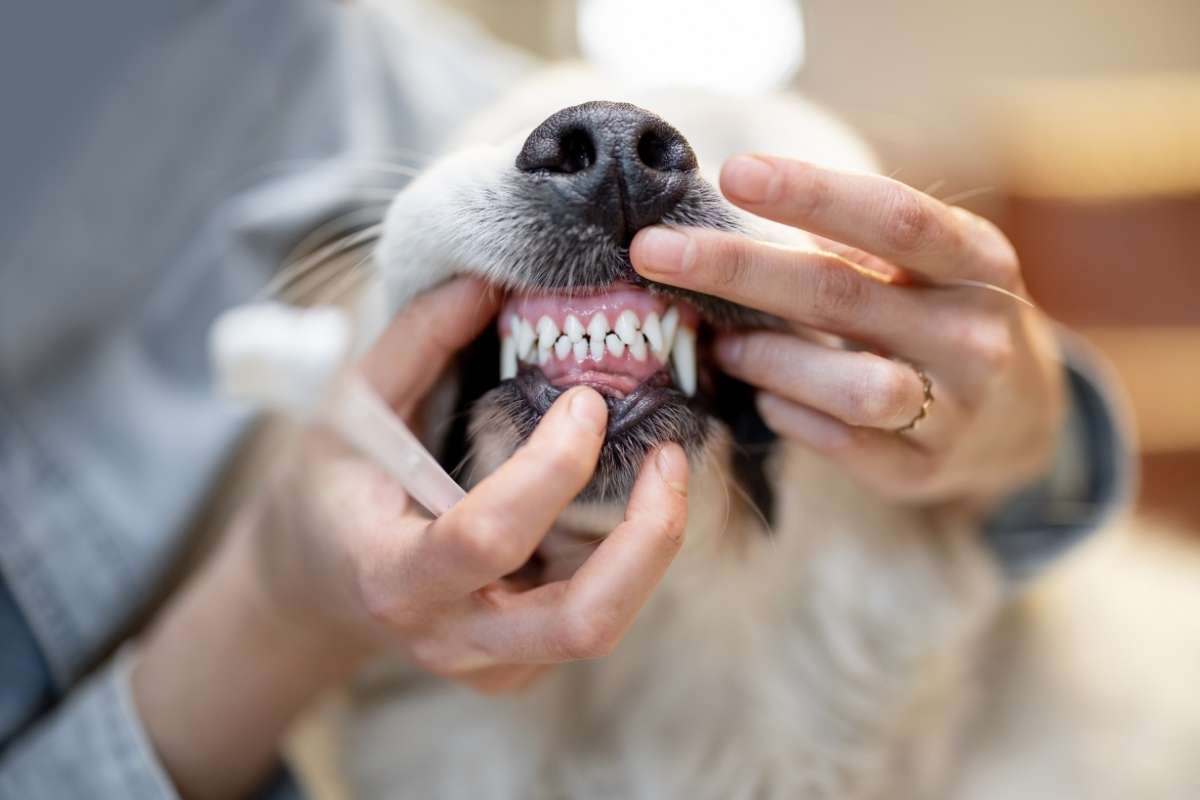
Professional cleanings are important, but daily home care also plays a major role in maintaining oral health.
Pet owners can support dental wellness by:
- Brushing their pet’s teeth regularly
- Using veterinarian-approved dental treats
- Providing dental-friendly diets
- Offering safe chew toys
- Scheduling routine wellness exams
Consistency is key. Even small preventive steps can help slow plaque buildup between veterinary visits.
When Pets Need Advanced Dental Attention
Some pets develop more advanced oral health conditions that require additional evaluation and treatment.
In these cases, veterinarians may recommend specialized pet dentistry services to address periodontal disease, tooth fractures, oral infections, or complex extractions.
Early intervention through professional pet dentistry care can help reduce discomfort and improve long-term oral health outcomes.
Are Dental Cleanings Safe for Older Pets?
Many pet owners worry about anesthesia during dental procedures, especially for senior pets. However, untreated dental disease often poses greater health risks than the procedure itself.
Veterinarians perform pre-anesthetic testing and monitor pets carefully throughout the cleaning process to improve safety. Age alone does not automatically prevent pets from benefiting from dental care.
Dental cleanings are an important part of preventive veterinary care because they support both oral and overall health. Early attention to dental disease can help pets avoid pain, maintain healthy eating habits, and reduce the risk of more serious medical problems later in life.
If you’re in Reno and need guidance from a vet near you about your pet’s oral health, schedule your appointment with Aspen Animal Wellness. Their team can help create a personalized preventive care plan to support your pet’s long-term health and comfort.
Frequently Asked Questions
Q1. How often should pets have dental cleanings?
Ans. The frequency depends on the pet’s age, breed, diet, and oral health condition. Many pets benefit from professional cleanings once a year.
Q2. Can bad breath in pets be a sign of dental disease?
Ans. Yes. Persistent bad breath is often one of the earliest signs of plaque buildup or gum infection.
Q3. Are certain dog breeds more prone to dental problems?
Ans. Small dog breeds and flat-faced breeds are often more likely to develop dental disease due to tooth crowding.
Q4. Do cats need professional dental cleanings, too?
Ans. Absolutely. Cats commonly develop dental disease, gum inflammation, and tooth resorption that require veterinary care.
Q5. Is brushing my pet’s teeth really necessary?
Ans. Regular brushing helps reduce plaque buildup and supports long-term oral health between professional cleanings.
Q6. What happens if dental disease goes untreated?
Ans. Untreated dental disease can lead to pain, tooth loss, infection, and potential complications involving internal organs.