7025 Longley Lane, Suite 40, Reno, NV 89511



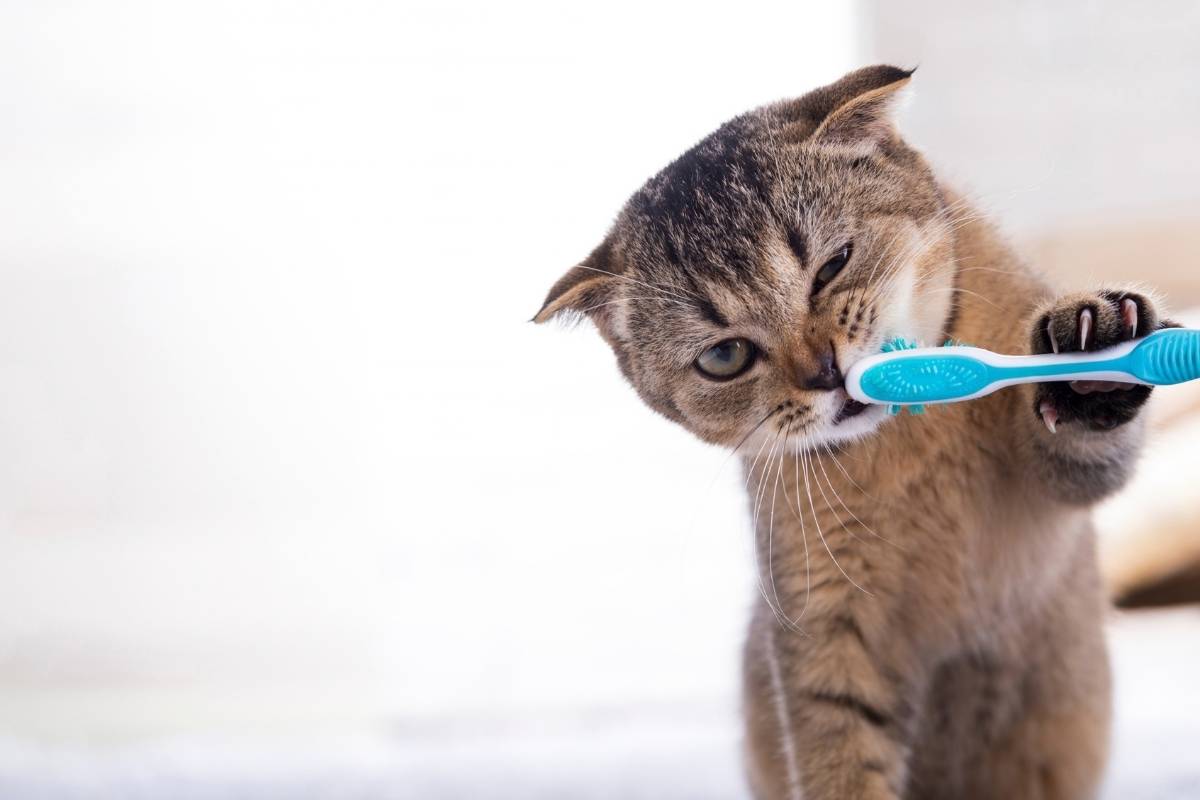
A little odor from your pet’s mouth might seem harmless, especially after meals. However, persistent bad breath can be an early warning sign of dental disease in dogs and cats. Bacteria, plaque buildup, and infected gums can produce unpleasant odors long before pets show obvious discomfort. What starts as a minor concern can eventually affect their ability to chew, eat comfortably, and enjoy everyday activities.
Many pet owners wonder whether bad breath is normal or requires veterinary attention. This guide is especially for pet owners in Reno, NV, who want to understand the connection between bad breath and dental disease, recognize early warning signs, and learn how timely veterinary care can protect their pets’ oral health.
Why Do Dogs and Cats Develop Bad Breath?
Occasional mouth odors can occur after eating certain foods. However, persistent or unusually strong breath often indicates an underlying problem that deserves attention.
The most common cause is bacterial buildup in the mouth. Food particles and bacteria form plaque on teeth, which can harden into tartar when left untreated. This buildup irritates the gums and creates conditions where harmful bacteria thrive.
Other possible causes include:
- Gingivitis: Inflamed gums caused by plaque accumulation.
- Periodontal disease: Infection and inflammation affecting the tissues supporting the teeth.
- Infected or damaged teeth: Broken teeth and infected roots can produce unpleasant odors.
- Oral growths: Abnormal tissue changes may cause odor, bleeding, or difficulty eating.
- Underlying illnesses: Kidney disease, diabetes, and certain other medical conditions can sometimes change a pet’s breath.
Because several conditions can cause similar symptoms, a veterinary examination is necessary to identify the source.
How Is Bad Breath Connected to Dental Disease?
Dental disease usually develops gradually. Plaque collects along the gumline, allowing bacteria to irritate surrounding tissues. Without proper care, inflammation can progress beneath the gums and damage the structures supporting the teeth.
Periodontal disease is particularly concerning because much of the damage occurs where pet owners cannot see it.
As infection progresses, dogs and cats may experience painful gums, loose teeth, and difficulty chewing. Advanced cases can eventually lead to tooth loss.
Bacteria associated with oral disease may also enter the bloodstream and contribute to inflammation elsewhere in the body. Maintaining oral health is therefore an important part of protecting a pet’s overall well-being.
Warning Signs of Dental Disease Beyond Bad Breath
Bad breath may be the first noticeable symptom, but dental problems often cause additional changes.
Red, Swollen, or Bleeding Gums
Healthy gums generally appear pink without obvious swelling. Redness, tenderness, or bleeding around the teeth may indicate gingivitis or more advanced periodontal disease.
Difficulty Chewing or Eating
Pets experiencing oral discomfort may chew on one side, drop food, eat slowly, or avoid hard treats. Some continue eating despite significant dental pain.
Excessive Drooling or Pawing at the Mouth
Increased drooling, repeated mouth rubbing, or pawing at the face can indicate oral irritation. Blood-tinged saliva also requires veterinary attention.
Changes in Behavior
Dental discomfort can make pets less playful, withdrawn, or reluctant to have their faces touched. Cats are particularly likely to hide discomfort. They may continue eating while quietly changing how they chew. Recognizing these signs early allows pet owners to seek treatment before dental problems become more serious.
Can Dental Disease Affect Both Young and Senior Pets?
Dental disease can affect dogs and cats at nearly any age, although the likelihood generally increases as pets grow older. Small dog breeds may develop periodontal disease earlier because their teeth are crowded together. Cats can develop gingivitis, periodontal disease, and painful conditions such as tooth resorption.
Senior pets may have years of accumulated plaque and tartar, increasing their risk of dental complications. However, younger animals are not automatically protected. Regular oral examinations help identify problems regardless of age. Consistent pet dental care helps reduce preventable oral health concerns throughout different life stages.
How Veterinarians Diagnose Dental Disease in Dogs and Cats
A veterinary dental examination involves more than checking for visible tartar. During routine examinations, our vets assess the teeth, gums, and surrounding oral tissues for abnormalities. We look for inflammation, damaged teeth, unusual growths, and other indications of discomfort.
Some dental problems remain hidden beneath the gumline. For this reason, dental X-rays are important when evaluating tooth roots and surrounding bone.
Our veterinary practice uses digital dental radiography to examine areas that cannot be assessed through visual inspection alone. These findings help determine whether a pet needs professional cleaning or additional dental treatment.
How Professional Dental Cleaning Helps Protect Oral Health
Professional dental cleaning removes plaque and tartar from areas that brushing cannot adequately reach. At our veterinary practice, dental cleanings are performed under general anesthesia, allowing thorough cleaning above and beneath the gumline.
Before the procedure, we conduct pre-anesthetic bloodwork to assess the pet’s health. Our medical team monitors patients throughout anesthesia and recovery.
Digital dental X-rays also help identify hidden problems and guide treatment decisions. The goal is not simply fresher breath. Proper treatment addresses dental disease, reduces discomfort, and supports healthier teeth and gums.
How Can Pet Owners Prevent Bad Breath at Home?
Home dental hygiene plays an important role in preventing plaque accumulation between veterinary visits.
Consider these practical habits:
- Brush regularly: Use a pet-specific toothbrush and toothpaste formulated for dogs or cats.
- Choose appropriate dental chews: Look for veterinary-recommended products designed to reduce plaque.
- Inspect the mouth: Watch for redness, broken teeth, unusual odors, or visible tartar.
- Monitor eating habits: Notice changes in chewing, appetite, or food preferences.
- Schedule routine examinations: Have your veterinarian evaluate oral health at least annually, or more frequently when recommended.
Never use human toothpaste because certain ingredients can harm pets.
Home care cannot remove hardened tartar beneath the gums. Professional veterinary treatment remains necessary when dental disease develops.
Why Early Dental Attention Makes a Difference
Addressing bad breath early can help identify dental problems before they cause extensive damage. Untreated periodontal disease may result in chronic discomfort, infection, and tooth loss. Delayed treatment can also make dental procedures more involved.
Early evaluation helps our vets determine the cause of unpleasant breath and recommend appropriate treatment. With regular examinations, professional cleaning when needed, and consistent home hygiene, pets have a greater chance of maintaining comfortable, functional teeth.
Help Your Pet Enjoy a Healthier, More Comfortable Life
Persistent bad breath should never be dismissed as a normal part of owning a dog or cat. Identifying dental problems early can reduce discomfort and protect long-term oral health. Our veterinary practice provides comprehensive dental examinations, professional cleanings, and digital dental X-rays to help pets maintain healthier mouths.
If you live in Reno and have noticed unpleasant breath or changes in your pet’s eating habits, contact Aspen Animal Wellness today at 775-331-8865. Schedule a dental examination with our vets and take an important step toward protecting your pet’s comfort, health, and quality of life.
Frequently Asked Questions
Q1. Is bad breath always a sign of dental disease in pets?
Ans. No. Although dental disease is a common cause, bad breath can also result from dietary factors, oral infections, or underlying medical conditions. Persistent odor should be evaluated by a veterinarian.
Q2. Can brushing eliminate bad breath in dogs and cats?
Ans. Regular brushing helps control plaque and reduce odors. However, brushing cannot remove hardened tartar or treat infections beneath the gums. Pets with established dental disease may require professional treatment.
Q3. How often should dogs and cats receive dental examinations?
Ans. Dogs and cats should generally receive oral examinations at least once yearly. Pets with existing dental problems or increased risk may need more frequent evaluations based on veterinary recommendations.
Q4. Where can I get my dog’s bad breath evaluated in Reno?
Ans. Aspen Animal Wellness provides dental examinations in Reno. Our vets assess oral health, investigate possible causes of persistent bad breath, and recommend appropriate dental treatment based on examination findings.
Q5. Does Aspen Animal Wellness offer dental X-rays for cats in Reno?
Ans. Yes. Aspen Animal Wellness uses digital dental X-rays to examine hidden tooth structures and identify problems beneath the gumline. These images help our vets assess dental disease and plan appropriate treatment.
Q6. Can I schedule professional pet dental care in Reno?
Ans. Yes. Aspen Animal Wellness offers professional dental cleaning under general anesthesia, along with pre-anesthetic bloodwork and patient monitoring. Contact our Reno veterinary practice to schedule an examination and discuss your pet’s dental needs.



Urgent Care Appointments and New Furry Faces Are Welcome!