7025 Longley Lane, Suite 40, Reno, NV 89511



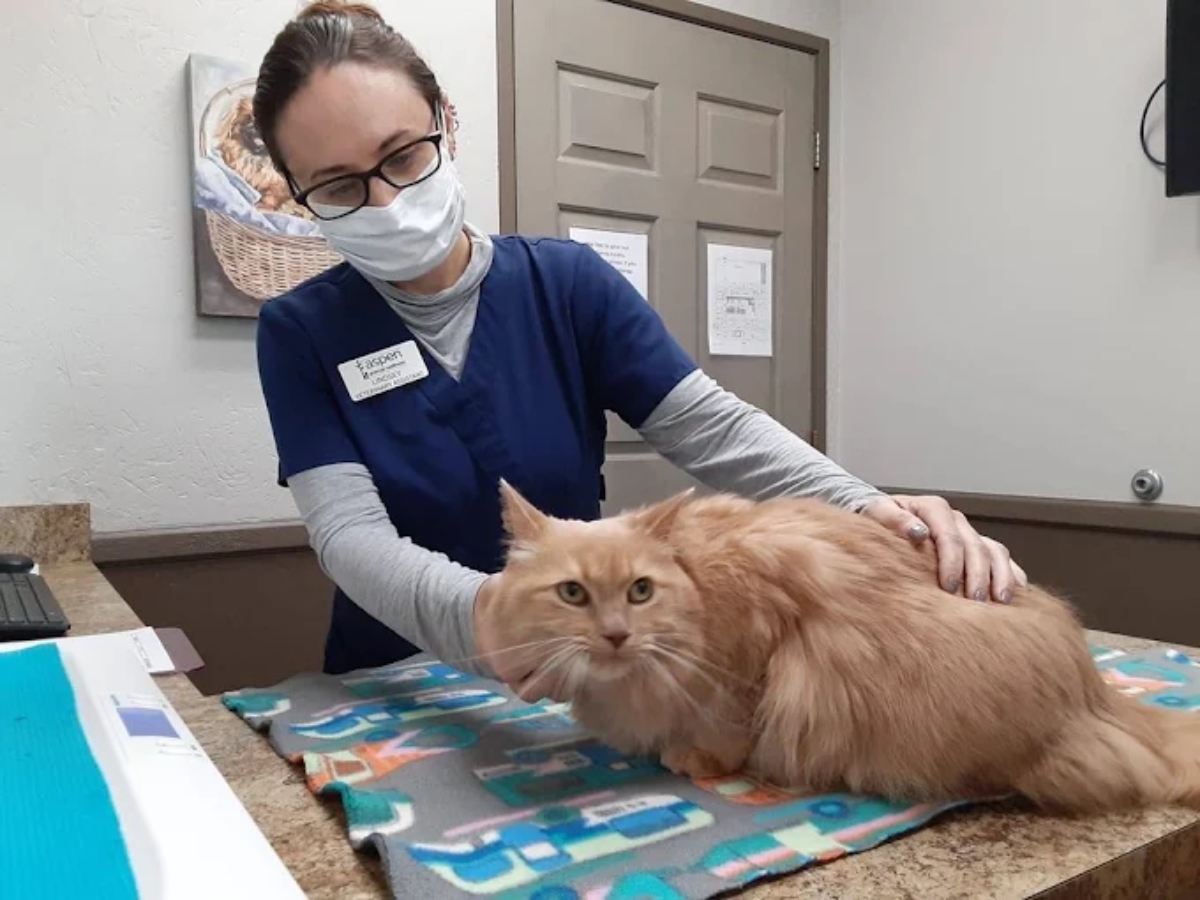
Your pet is more than just an animal – they’re a member of your family. As a pet owner, you want your furry friend to live a long, joyful life. One of the best ways to ensure that is through regular veterinary care. Although many pet owners schedule visits only when their pets are sick, routine vet visits are essential to prevention, early diagnosis, and overall well-being.
In this post, we’ll explore how regular vet care keeps your pets happy and healthy, covering the major benefits, what to expect, and why it’s worth it.
1. Early Detection of Health Issues
First and foremost, regular vet visits help detect potential health problems before they become serious. Pets are experts at hiding pain and illness, which means they could be suffering in silence. With routine checkups, your vet can monitor your pet’s health and spot any red flags early.
For example, a minor dental issue can escalate into a painful infection if left untreated. Similarly, subtle weight gain might indicate a thyroid problem. By catching these issues early, you can avoid costly treatments and improve your pet’s quality of life.
2. Vaccinations Protect Against Diseases
Next, vaccinations play a critical role in preventive care. Vets follow a vaccination schedule tailored to your pet’s age, breed, and lifestyle. These vaccines protect your pet from deadly diseases like rabies, parvovirus, and feline leukemia.
Furthermore, staying up to date on vaccinations not only protects your pet but also helps prevent the spread of diseases to other animals and even humans. Keeping your pet vaccinated is a simple step with long-term health benefits.
3. Regular Dental Cleanings Prevent Oral Disease
In addition to general health exams, dental care is a key part of regular vet visits. Most pets over the age of three already show signs of dental disease. Without routine cleanings and exams, tartar buildup can lead to gum infections, tooth loss, or even heart disease.
During a dental checkup, your vet will assess your pet’s teeth, gums, and mouth, looking for signs of decay or discomfort. Consistent dental care improves your pet’s breath, reduces pain, and can even extend their life.
4. Parasite Prevention and Control
Another important aspect of vet care is parasite prevention. Fleas, ticks, and worms aren’t just annoying—they can be harmful to your pet’s health. For instance, heartworms can be fatal if not treated in time.
Regular vet visits ensure your pet receives proper preventative treatments year-round. Your vet can recommend safe, effective medications based on your pet’s specific needs and risk factors. As a result, your pet stays protected from parasites that can otherwise cause serious illness.
5. Nutrition and Weight Management
Believe it or not, over 50% of dogs and cats in the U.S. are overweight or obese. Excess weight can lead to joint pain, diabetes, and heart disease. Fortunately, your vet can provide valuable guidance on nutrition and weight management during routine checkups.
Whether it’s recommending a high-quality diet or advising portion control, veterinarians offer personalized nutrition plans that meet your pet’s unique requirements. With professional advice, you can keep your pet active, energized, and healthy.
6. Behavioral Assessments and Support
In many cases, behavior changes are early signs of medical issues. Has your pet been more aggressive or withdrawn lately? Have they stopped eating or started having accidents indoors? These could indicate underlying problems that require attention.
Your vet can help assess behavioral changes and rule out medical causes. If needed, they can also refer you to a behaviorist or provide training tips. Addressing behavior early keeps your pet comfortable and strengthens your bond.
7. Establishing a Health History
Finally, building a long-term relationship with your vet creates a complete health history for your pet. This helps your vet make better-informed decisions, especially as your pet ages.
Over time, your vet learns your pet’s normal patterns and can quickly identify when something is wrong. This continuity of care provides peace of mind and a better overall experience for both you and your pet.
In conclusion, regular veterinary care is the foundation of a long, healthy, and happy life for your pet. From early detection and disease prevention to dental health and behavior support, the benefits are numerous and lasting.
If you’re looking for a veterinarian in Reno, NV, now is the perfect time to schedule a wellness visit. Your pet deserves the best care—and it starts with a trusted vet by your side.
Frequently Asked Questions
1. How often should I take my pet to the vet?
Most pets should see the vet at least once a year. Puppies, kittens, and senior pets may need more frequent visits.
2. What happens during a routine vet checkup?
A standard checkup includes a physical exam, vaccinations, parasite screening, dental check, and a discussion about diet, behavior, and lifestyle.
3. Are annual vaccinations really necessary?
Yes. Keeping vaccinations up to date protects your pet from serious and potentially fatal diseases. Your vet will tailor the schedule based on your pet’s needs.
4. Can my pet get sick even if they seem healthy?
Absolutely. Many illnesses don’t show symptoms right away. That’s why regular vet visits are crucial—they help catch hidden issues early.
5. How can I prepare my pet for a vet visit?
Make the experience positive with treats, gentle handling, and short practice trips in the carrier or car. For nervous pets, consult your vet for tips.
6. Do indoor pets still need vet care?
Yes. Indoor pets can still develop health issues, require vaccinations, and be exposed to parasites brought in from outside. Routine care is essential.