7025 Longley Lane, Suite 40, Reno, NV 89511



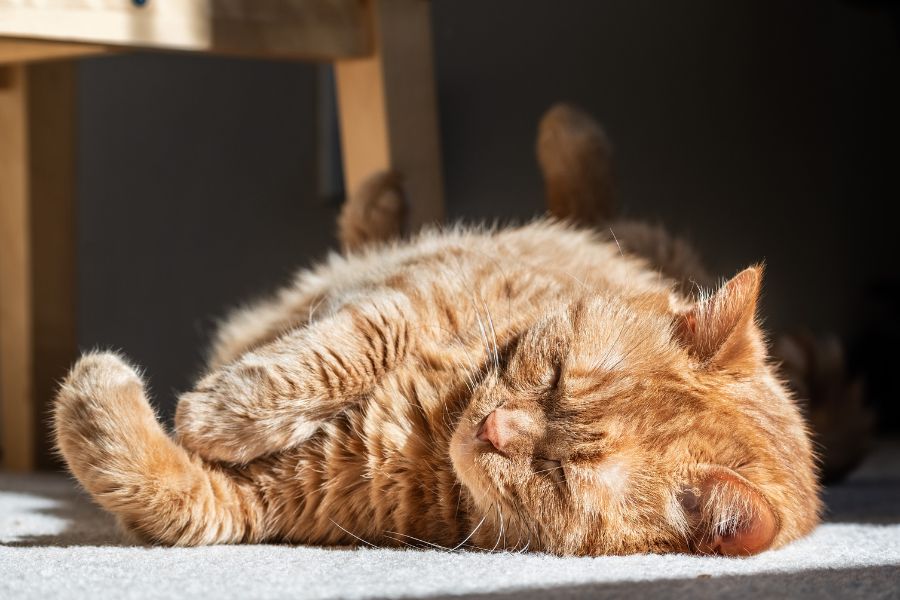
Cats are known for being selective eaters, but refusing food for two days is never something pet owners should ignore. While a skipped meal may occasionally occur because of stress or a temporary change in routine, prolonged loss of appetite can quickly become a serious health concern. Unlike some other animals, cats are at risk of developing significant complications when they go without food for an extended period.
If your cat has stopped eating for 48 hours, it is important to identify the underlying cause as soon as possible. Early evaluation can help prevent complications and improve your cat’s chances of a smooth recovery. Seeking pet urgent care when appetite loss persists is one of the safest ways to determine why your cat is refusing food.
This guide explains why cats stop eating, the warning signs that require prompt attention, possible treatment options, and what you can do while waiting for veterinary guidance.
Why Is It Dangerous When a Cat Stops Eating?
Cats require regular nutrition to maintain healthy organ function and energy levels. When they stop eating, their bodies begin breaking down stored fat for energy. Unlike many other species, a cat’s liver is not always able to process large amounts of fat efficiently.
As a result, prolonged appetite loss may contribute to serious liver problems that can become difficult to treat if not addressed early.
Additionally, cats that do not eat often become dehydrated and weak, making recovery more challenging.
Common Reasons a Cat Stops Eating
A loss of appetite can result from a wide range of medical and behavioral causes.
Dental Problems
Painful teeth or inflamed gums can make chewing uncomfortable.
Common dental conditions include:
- Broken teeth
- Gum disease
- Tooth root infections
- Oral injuries
Cats experiencing mouth pain may approach food but walk away without eating.
Gastrointestinal Upset
Digestive issues can reduce appetite.
Possible causes include:
- Stomach irritation
- Constipation
- Inflammatory bowel disease
- Hairballs
- Intestinal obstruction
Vomiting or diarrhea may also occur.
Kidney Disease
Kidney disease commonly affects older cats and may lead to:
- Poor appetite
- Weight loss
- Increased thirst
- Lethargy
- Vomiting
Routine veterinary examinations help detect kidney disease earlier.
Stress and Environmental Changes
Cats are sensitive to changes in their surroundings.
Stressful situations include:
- Moving
- New pets
- Visitors
- Boarding
- Changes in routine
Some cats temporarily reduce their food intake until they feel comfortable again.
Respiratory Illness
Cats rely heavily on their sense of smell to stimulate appetite.
Upper respiratory infections may reduce their ability to smell food, making eating less appealing.
Pain
Pain from injuries or internal medical conditions can decrease appetite.
Cats often hide discomfort, making appetite changes one of the first noticeable signs.
Foreign Object Ingestion
Cats occasionally swallow string, ribbon, thread, toys, or other inappropriate objects.
These items can create intestinal blockages that require immediate veterinary evaluation.
Warning Signs That Require Prompt Veterinary Attention
Loss of appetite becomes more concerning when accompanied by other symptoms.
Watch for:
- Vomiting
- Diarrhea
- Weight loss
- Drooling
- Difficulty swallowing
- Hiding more than usual
- Weakness
- Labored breathing
- Pale gums
- Abdominal swelling
- Difficulty walking
These symptoms may indicate a more serious underlying condition requiring prompt medical attention.
What Should You Do If Your Cat Hasn’t Eaten for Two Days?
Encourage Water Intake
Fresh water should always be available.
Some cats prefer running water from a pet fountain.
Offer Familiar Food
Offer your cat its regular food before introducing anything new.
Strong smelling canned food may sometimes encourage eating.
Avoid forcing food into your cat’s mouth.
Observe Behavior
Take note of:
- Energy level
- Drinking habits
- Vomiting
- Litter box activity
- Breathing
- Changes in posture
This information will help your veterinarian evaluate the situation.
Contact Your Veterinarian
If your cat has not eaten for 48 hours, schedule a veterinary examination promptly.
Waiting longer may increase the risk of complications.
How Veterinarians Diagnose Appetite Loss
Your veterinarian begins with a complete physical examination and medical history.
Questions may include:
- When did appetite decrease?
- Has your cat vomited?
- Any recent diet changes?
- Has your cat lost weight?
- Any changes in drinking or urination?
Depending on the findings, additional tests may include:
Blood Tests
Blood work helps evaluate:
- Liver function
- Kidney function
- Infection
- Hydration
- Blood sugar
Urinalysis
Urine testing provides additional information about kidney function and overall health.
Diagnostic Imaging
Radiographs or ultrasound may identify:
- Intestinal blockages
- Masses
- Organ enlargement
- Foreign objects
These tests help identify the underlying cause and guide treatment.
Treatment Options
Treatment depends on the diagnosis.
Possible treatments include:
Fluid Therapy
Hydration supports circulation and helps correct dehydration.
Nutritional Support
Your veterinarian may recommend special diets or temporary assisted feeding if your cat is unable to eat independently.
Medications
Depending on the diagnosis, medications may be used to:
- Control nausea
- Reduce inflammation
- Manage pain
- Treat infection
Surgery
If a foreign object or intestinal blockage is identified, surgical treatment may be necessary.
Can Appetite Loss Be Prevented?
Not every case is preventable, but healthy habits can reduce the risk.
Helpful preventive measures include:
- Schedule regular wellness examinations.
- Maintain good dental health.
- Feed a balanced diet.
- Keep toxic foods and household objects out of reach.
- Reduce stressful environmental changes whenever possible.
- Monitor eating habits daily.
Early recognition of appetite changes often allows treatment before more serious complications develop.
When Should You Seek Immediate Veterinary Help?
Prompt veterinary evaluation is recommended if your cat:
- Has not eaten for two days
- Stops drinking water
- Vomits repeatedly
- Appears weak or collapses
- Has difficulty breathing
- Shows signs of severe pain
- Has swallowed a foreign object
- Develops abdominal swelling
Do not wait for symptoms to worsen before seeking professional advice.
A cat that refuses food for two days should never be considered normal. Although stress or minor digestive upset may occasionally reduce appetite, persistent food refusal can signal an underlying medical condition that requires prompt evaluation. Early diagnosis and treatment often improve outcomes and reduce the risk of serious complications. If your cat has stopped eating or is showing other concerning symptoms, contact Aspen Animal Wellness for prompt guidance. Our team proudly serves pets in Reno, NV, as well as Sparks, Washoe Valley, Carson City, Sun Valley, and the surrounding area. For immediate assistance or to arrange a prompt evaluation, call 775-331-8865 or schedule your appointment today.
Frequently Asked Questions
Q1. Is it normal for a cat to stop eating for two days?
Ans: No. Cats should not go without food for 48 hours. Prolonged appetite loss may indicate a serious medical condition and should be evaluated by a veterinarian.
Q2. Why is my cat drinking water but not eating?
Ans: This may occur with dental disease, gastrointestinal problems, kidney disease, infections, pain, or other medical conditions. A veterinary examination is recommended.
Q3. Can stress cause a cat to stop eating?
Ans: Yes. Moving, boarding, new pets, or changes in routine can temporarily reduce appetite. However, if your cat refuses food for two days, veterinary evaluation is important.
Q4. What should I feed a cat that refuses to eat?
Ans: Offer your cat its usual food or a veterinarian-recommended canned diet with a strong aroma. Avoid force-feeding unless instructed by your veterinarian.
Q5. When should I seek pet urgent care for my cat?
Ans: Seek pet urgent care if your cat has not eaten for 48 hours, is vomiting repeatedly, becomes weak, has difficulty breathing, or shows signs of severe pain.
Q6. Can dehydration develop if my cat stops eating?
Ans: Yes. Cats that stop eating often reduce their water intake as well, increasing the risk of dehydration and other health complications.