7025 Longley Lane, Suite 40, Reno, NV 89511



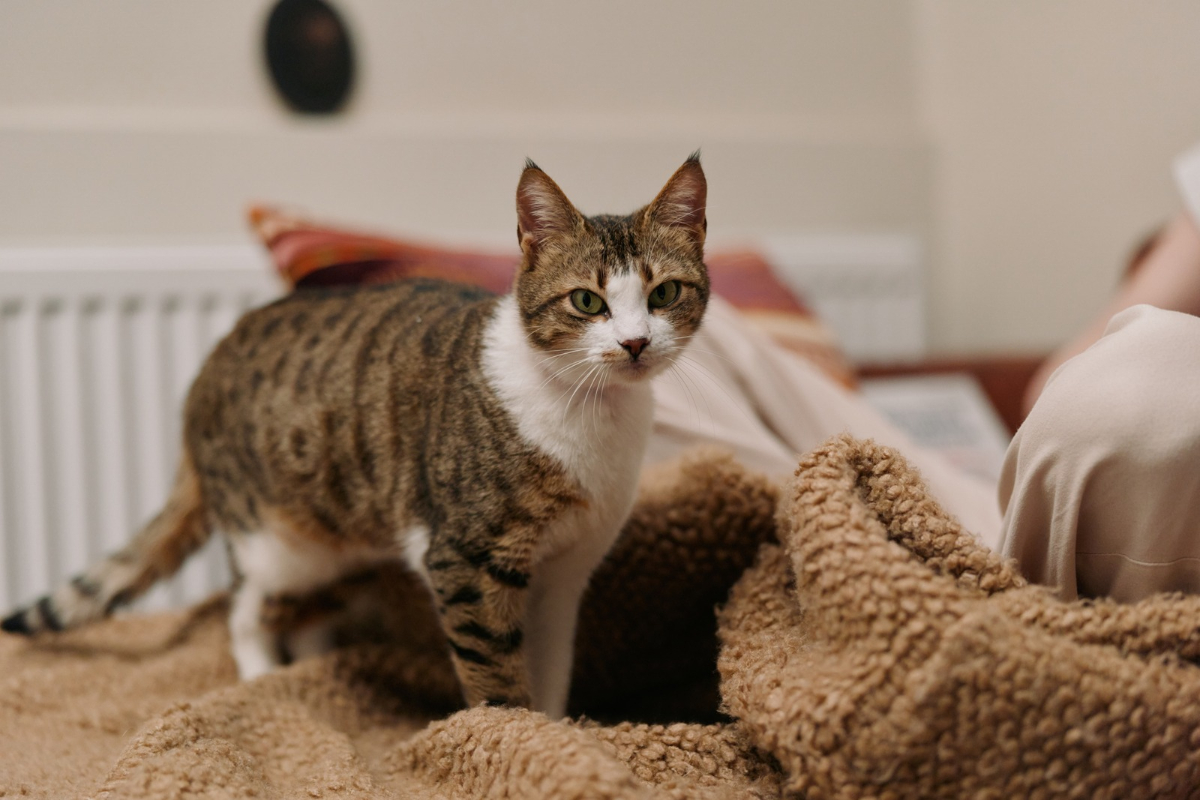
Cats usually breathe quietly through their noses. Unlike dogs, they rarely pant as a normal response to physical activity or heat. Therefore, noticing your cat breathing with its mouth open can be concerning. While brief panting may occasionally occur after intense activity or stress, persistent or labored open-mouth breathing can indicate a serious health problem.
At Aspen Animal Wellness, we encourage cat owners to pay attention to unusual breathing patterns as part of routine cat wellness care. Recognizing warning signs early and understanding when professional evaluation is necessary can help protect your cat’s health.
Is Open-Mouth Breathing Normal in Cats?
Open-mouth breathing is generally not normal in cats, particularly when it occurs while resting. A cat may briefly pant after strenuous activity, during intense stress, or when overheated. However, breathing through an open mouth can also indicate that your cat is struggling to get enough oxygen.
Watch for additional signs such as rapid chest movement, abdominal effort, extended neck posture, wheezing, or unusual breathing sounds.
Important: If your cat is breathing with its mouth open, struggling to breathe, or showing pale or bluish gums, seek immediate veterinary attention. Do not wait for the symptoms to disappear.
7 Possible Causes of Open-Mouth Breathing in Cats
1. Respiratory Infections
Viral or bacterial infections can affect the upper or lower respiratory tract. Nasal congestion, inflammation, and lung involvement may make normal breathing difficult. Other symptoms can include sneezing, coughing, nasal discharge, and reduced appetite.
2. Feline Asthma
Feline asthma causes inflammation and narrowing of the airways. Affected cats may cough, wheeze, breathe rapidly, or occasionally breathe through their mouths. Environmental irritants such as dust, smoke, and pollen may trigger symptoms.
3. Heart Disease
Conditions such as hypertrophic cardiomyopathy can interfere with normal heart function. In some cases, fluid accumulates in or around the lungs, making breathing difficult. Rapid breathing, weakness, and reduced activity may accompany open-mouth breathing.
4. Overheating and Heatstroke
Cats can overheat in hot environments, poorly ventilated spaces, or during excessive physical activity. Open-mouth breathing, drooling, weakness, and vomiting may indicate heat-related illness. Heatstroke is a medical emergency requiring immediate veterinary attention.
5. Pleural Effusion
Pleural effusion occurs when fluid accumulates in the space surrounding the lungs. This prevents the lungs from expanding properly. Heart disease, infections, cancer, and other conditions may contribute to this problem.
6. Pain, Fear, or Severe Stress
A frightened or uncomfortable cat may briefly pant or breathe through its mouth. Veterinary visits, unfamiliar surroundings, and painful injuries can trigger stress responses. However, persistent open-mouth breathing should never be attributed to anxiety without medical evaluation.
7. Trauma or Chest Injuries
Falls, accidents, and other injuries can damage the lungs or chest structures. Internal bleeding, lung bruising, or air accumulation around the lungs may interfere with breathing. Even when external injuries are not visible, breathing difficulties after trauma require immediate attention.
Other Warning Signs Cat Owners Should Watch For
Open-mouth breathing may occur alongside other symptoms that indicate an underlying health problem, including:
- Rapid or shallow breathing while resting
- Visible abdominal movement during breathing
- Blue, gray, or pale gums
- Coughing or wheezing
- Weakness or unusual tiredness
- Loss of appetite
- Hiding or reduced activity
These signs should not be ignored, especially when breathing appears labored.
How Do Veterinarians Diagnose Breathing Problems in Cats?
The diagnostic process depends on your cat’s condition and suspected underlying cause. A veterinarian may first assess breathing effort, heart rate, gum color, and oxygen levels.
Depending on the findings, diagnostic procedures may include:
- Chest X-rays: Help identify lung abnormalities, fluid accumulation, and changes in the chest.
- Blood tests: Help evaluate anemia, infection, and overall organ health.
- Ultrasound: Helps assess fluid around the lungs and evaluate certain internal structures.
- Echocardiogram: May be recommended when heart disease is suspected.
Cats experiencing severe respiratory distress may require oxygen support and stabilization before undergoing diagnostic testing.
What Should You Do If Your Cat Is Breathing With Its Mouth Open?
Keep your cat calm and minimize handling. Move it away from heat, smoke, or other potential irritants. Avoid forcing food, water, or medication.
Transport your cat carefully in a well-ventilated carrier and seek immediate veterinary attention. Do not delay treatment to record symptoms or attempt home remedies.
Open-mouth breathing in cats is not something to dismiss as normal panting. It may indicate asthma, respiratory infections, heart disease, overheating, or other serious conditions. Recognizing the warning signs and seeking prompt evaluation can help prevent complications.
If you are looking for a vet near you in Reno, NV, contact Aspen Animal Wellness for guidance regarding unusual breathing patterns or other changes in your cat’s health. Schedule your appointment to discuss your cat’s symptoms and appropriate diagnostic evaluation.
Frequently Asked Questions
Q1. Is it normal for cats to breathe with their mouths open?
Ans: No. Open-mouth breathing is generally abnormal in cats and may indicate respiratory distress, overheating, pain, or another underlying condition. Persistent or labored breathing requires immediate veterinary attention.
Q2. Can stress cause open-mouth breathing in cats?
Ans: Yes. Fear and anxiety can occasionally cause temporary panting. However, prolonged open-mouth breathing should not be assumed to be stress-related without veterinary evaluation.
Q3. How can Aspen Animal Wellness diagnose open-mouth breathing in cats?
Ans: The veterinary team can assess your cat through a physical examination and appropriate diagnostic testing. Available capabilities include laboratory testing, digital X-rays, and ultrasound to investigate potential respiratory, cardiac, and other health concerns.
Q4. Can heart disease cause open-mouth breathing in cats?
Ans: Yes. Certain heart conditions can contribute to fluid accumulation in or around the lungs, making breathing difficult. Rapid breathing, weakness, and reduced activity may also occur.
Q5. What should I do if my cat suddenly starts panting?
Ans: Keep your cat calm, minimize handling, and seek immediate veterinary attention, especially if breathing is labored or accompanied by weakness or abnormal gum color. Do not wait for symptoms to worsen.
Q6. Can regular cat wellness care help identify breathing problems early?
Ans: Routine examinations can help veterinarians identify changes in heart and lung health. Additional testing, such as bloodwork, chest X-rays, or ultrasound, may be recommended when symptoms or examination findings indicate a concern.
Urgent Care Appointments and New Furry Faces Are Welcome!