7025 Longley Lane, Suite 40, Reno, NV 89511



A playful puppy may seem perfectly healthy, while an older cat might spend more time sleeping than usual. However, appearances do not always tell the full story of a pet’s health. Kidney disease, dental problems, intestinal parasites, and other medical conditions can develop before noticeable symptoms appear. Regular health screenings help veterinarians identify potential concerns and understand what is normal for each animal.
As dogs and cats grow older, their health needs change. A test recommended for a young kitten may differ from the screenings needed by a senior dog. This guide is especially for pet owners in Reno who want to understand how preventive pet care supports early disease detection and helps their companions stay healthy throughout life.
Why Do Dogs and Cats Need Preventive Health Tests?
Preventive health testing helps veterinarians evaluate a pet’s health before illness becomes obvious. These screenings can reveal changes in organ function, identify parasites, and establish baseline measurements for future comparisons.
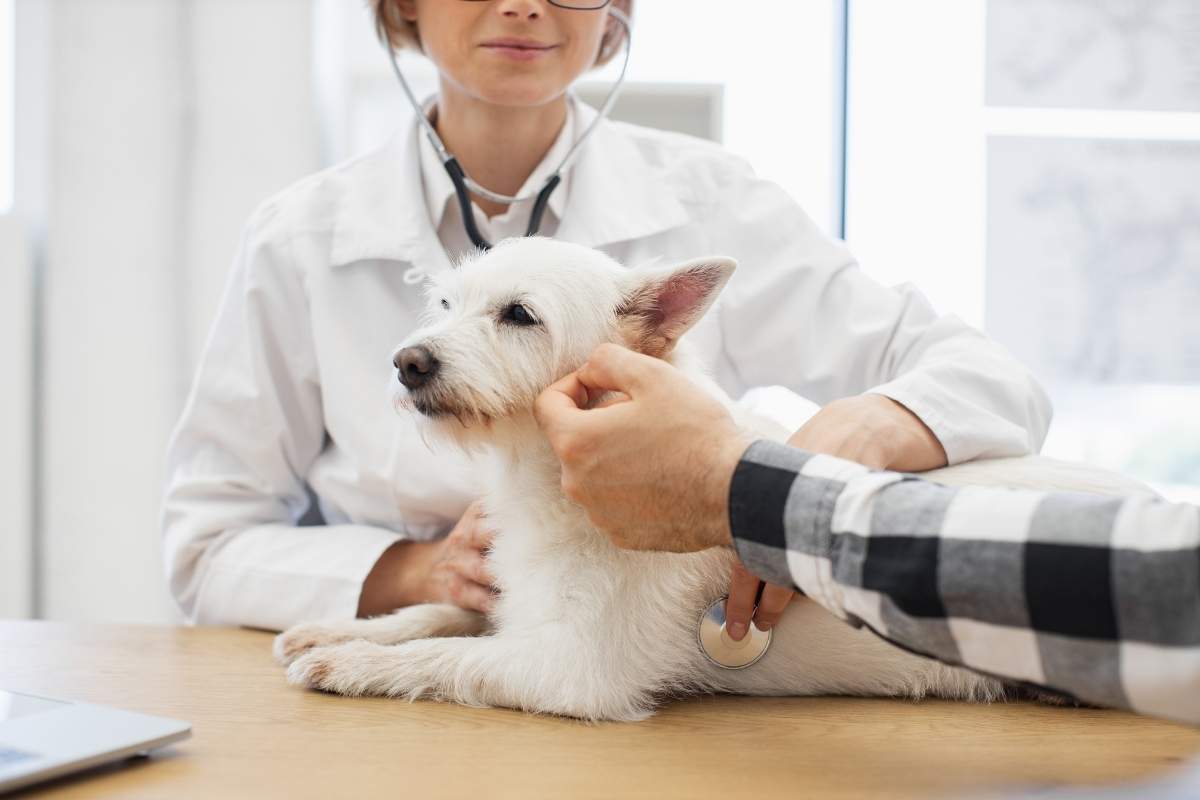
During a wellness visit, our vets examine your pet’s body condition, teeth, eyes, ears, heart, and joints. We also discuss appetite, activity, behavior, and changes in daily routines.
Regular examinations provide several important benefits:
- Identify possible health concerns before symptoms become severe.
- Monitor kidney, liver, and other organ functions when blood testing is appropriate.
- Detects intestinal parasites and certain infectious diseases.
- Track changes in weight, dental health, and mobility.
- Help determine appropriate vaccinations and parasite prevention.
Not every pet requires every available test. Age, breed, medical history, lifestyle, and examination findings help determine which screenings are necessary.
What Health Tests Do Puppies and Kittens Need?
Age: Birth to approximately 12 months
Puppies and kittens experience rapid physical development during their first year. Their early veterinary visits help monitor growth, identify congenital concerns, and establish protection against common infectious diseases.
Comprehensive Physical Examinations
Young pets generally need several veterinary appointments during their initial vaccination series. Our vets examine their heart, lungs, eyes, ears, mouth, skin, and overall development.
These examinations can reveal heart murmurs, retained baby teeth, growth abnormalities, and other concerns requiring further evaluation.
Fecal Testing for Intestinal Parasites
Roundworms, hookworms, and other intestinal parasites are common concerns in young animals. Some infected puppies and kittens may show few noticeable symptoms.
Fecal examinations help identify certain parasites so appropriate treatment can begin. Repeated testing may be recommended based on age, exposure, and previous results.
Infectious Disease Screening
Kittens may need testing for feline leukemia virus (FeLV) and feline immunodeficiency virus (FIV), depending on their history and exposure.
Puppies may require additional infectious disease testing when symptoms or exposure risks indicate a concern.
Vaccination Assessment
Vaccinations are not diagnostic tests, but they remain an important part of early wellness visits. Our vets review each pet’s lifestyle and recommend appropriate immunizations according to current veterinary guidelines.
What Preventive Health Tests Do Adult Dogs and Cats Need?
Age: Approximately 1–6 years, depending on species and breed
Adult pets may appear healthy for years, making routine veterinary visits easy to overlook. However, this stage offers an important opportunity to establish baseline health measurements and monitor changes over time.
Complete Blood Count and Blood Chemistry
A complete blood count (CBC) evaluates red blood cells, white blood cells, and platelets. Blood chemistry testing provides information about kidney function, liver function, blood sugar, and other measurements.
These tests may help identify abnormalities before obvious illness develops. Our vets can recommend an appropriate testing schedule based on individual health risks.
Urinalysis
Urinalysis examines urine concentration and checks for substances or abnormalities that may indicate urinary tract or metabolic problems.
It can provide useful information when interpreted alongside blood test results, especially when kidney disease, diabetes, or urinary problems are suspected.
Heartworm and Parasite Screening
Dogs may need regular heartworm testing based on preventive medication history and veterinary recommendations. Fecal examinations can also identify intestinal parasites.
Cats may require parasite testing depending on their lifestyle and exposure. Indoor living does not eliminate every possible parasite risk.
Dental Health Evaluation
Dental disease can develop gradually, even in young adult pets. During wellness examinations, our vets check for tartar, gum inflammation, fractured teeth, and other visible oral abnormalities.
If dental disease is suspected, a professional dental examination and dental X-rays under anesthesia may be recommended.
What Health Tests Should Senior Dogs and Cats Receive?
Age: Often around 7 years and older, although senior status varies by breed and species
As pets age, conditions involving the kidneys, heart, joints, and endocrine system become more common. More frequent examinations and diagnostic testing may help identify changes earlier.
Many senior pets benefit from veterinary evaluations approximately every six months, although individual recommendations vary.
Senior Blood Work
Blood testing helps evaluate organ function and identify changes that may require additional investigation.
For example, abnormal kidney values can prompt further testing before a pet develops significant clinical symptoms.
Thyroid Function Testing
Hyperthyroidism is particularly common in older cats. It may cause weight loss despite a healthy appetite, increased thirst, or behavioral changes.
A veterinarian may recommend thyroid hormone testing when a senior cat’s age, symptoms, or examination findings suggest a concern.
Blood Pressure Measurement
High blood pressure can affect the eyes, kidneys, heart, and nervous system. Blood pressure monitoring is particularly important for older cats and pets with certain medical conditions.
Urine and Kidney Health Screening
Kidney disease becomes more common with age, particularly in cats. Blood work and urinalysis can help evaluate kidney function and identify abnormalities requiring further assessment.
Mobility and Joint Assessments
Senior dogs and cats may develop arthritis that affects their daily activities. A veterinary examination can help identify discomfort, stiffness, and reduced joint movement.
Additional imaging may be recommended when examination findings suggest joint disease or another underlying problem.
How Can Regular Testing Help Detect Health Problems Early?
Small changes in test results can provide valuable information, particularly when previous measurements are available for comparison.
For example, a cat may develop subtle changes in kidney function before showing noticeable symptoms. Similarly, blood testing may identify abnormal glucose levels that require further evaluation.
At our veterinary practice, we consider examination findings, medical history, and diagnostic results together. This approach helps us recommend appropriate follow-up testing without assuming that one abnormal result confirms a diagnosis.
Give Your Pet the Advantage of Early Health Detection
Your pet cannot explain when something feels different, and many medical conditions develop without obvious warning signs. Regular wellness examinations and appropriate health screenings can help identify concerns before they become more difficult to manage.
At our veterinary practice, we believe that preventive pet care should reflect your companion’s age, lifestyle, and changing health needs. Whether you have recently welcomed a puppy or kitten or are caring for a senior companion, our vets are here to help you make informed decisions about their health.
Contact Aspen Animal Wellness in Reno at 775-331-8865 to schedule your pet’s next wellness examination. Give your dog or cat the opportunity to enjoy more healthy, comfortable years by making preventive veterinary visits part of their regular routine.
Frequently Asked Questions
Q1. What is the most important preventive health test for dogs and cats?
Ans. There is no single test that detects every health problem. A comprehensive physical examination is the foundation of routine wellness care. Blood work, urinalysis, and parasite testing may provide additional information based on your pet’s needs.
Q2. Do healthy indoor cats need regular blood tests?
Ans. Yes, indoor cats may benefit from routine blood testing, especially as they age. Conditions such as kidney disease, diabetes, and hyperthyroidism can develop regardless of whether a cat goes outdoors. Your veterinarian can recommend an appropriate schedule.
Q3. How often should I schedule preventive health testing for my dog in Reno?
Ans. Most healthy adult dogs should receive at least one wellness examination annually. At Aspen Animal Wellness, our vets assess your dog’s age, breed, lifestyle, and medical history before recommending appropriate screenings and follow-up visits.
Q4. Can preventive testing detect kidney disease before symptoms appear?
Ans. Yes, blood tests and urinalysis can sometimes identify kidney abnormalities before noticeable symptoms develop. However, results must be interpreted together, and additional testing may be necessary to confirm a diagnosis.
Q5. Where can I get preventive health screenings for my senior cat in Reno?
Ans. You can schedule a wellness appointment at Aspen Animal Wellness in Reno. Our vets evaluate your senior cat’s health and recommend appropriate diagnostic screenings, including blood work and other tests when medically indicated.
Q6. Does Aspen Animal Wellness offer age-specific preventive care for pets in Reno?
Ans. Yes. Aspen Animal Wellness provides wellness examinations for puppies, kittens, adult pets, and seniors. Our veterinary team recommends health screenings, vaccinations, parasite prevention, and follow-up care according to each pet’s individual needs.