7025 Longley Lane, Suite 40, Reno, NV 89511




Temperature changes can affect pets in ways that are not always obvious to their owners. Dogs and cats regulate body heat differently, and factors such as breed, coat type, age, body condition, and overall health can influence how well they tolerate heat and cold. Understanding these differences can help pet owners recognize potential risks and make safer decisions throughout the year.
At Aspen Animal Wellness, temperature-related concerns are considered alongside each pet’s individual health, lifestyle, and environmental exposure. A comfortable indoor temperature for one pet may not be appropriate for another, particularly when extreme weather conditions occur. Knowing how dogs and cats respond differently to temperature can help owners provide appropriate protection and recognize when veterinary attention may be needed.
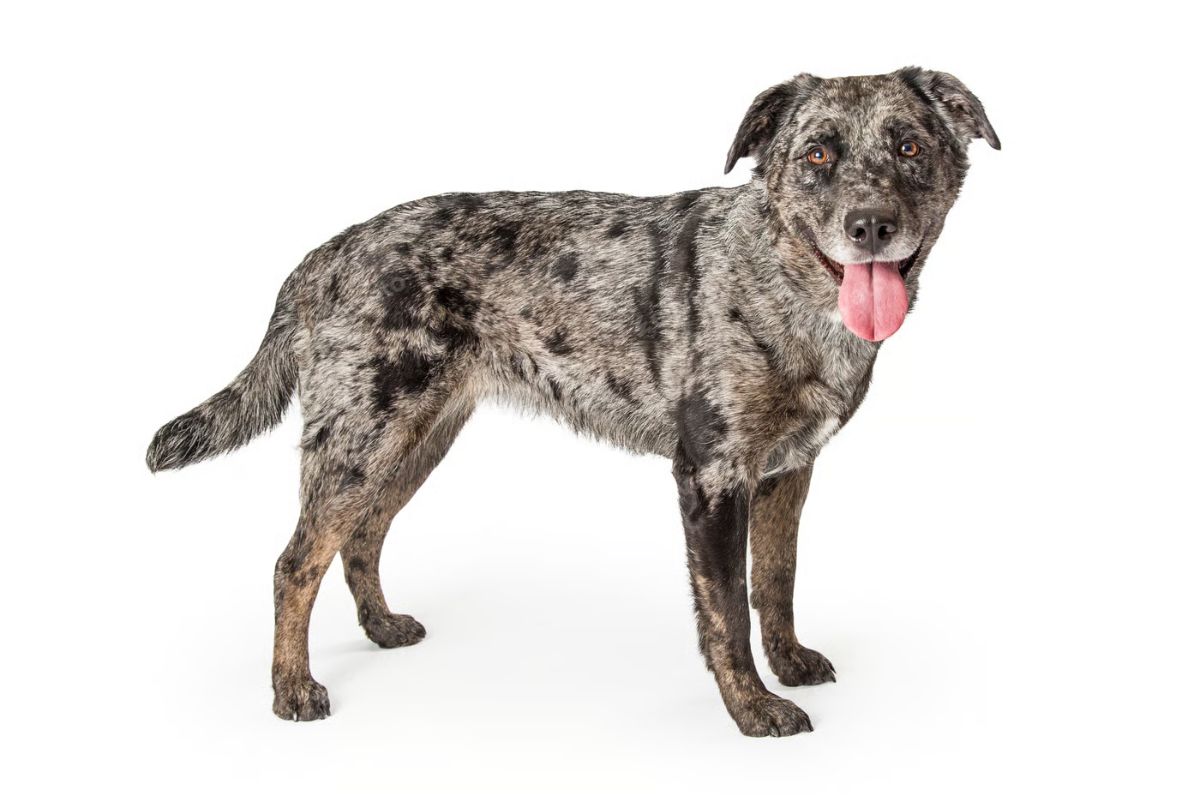
How Dogs Respond to Temperature Changes
Dogs primarily regulate body temperature through panting, while their paw pads and other areas of the body also contribute to heat exchange. However, panting becomes less effective in very hot or humid conditions.
A dog’s ability to tolerate temperature changes can depend on:
- Breed and body size
- Coat thickness
- Age
- Weight
- Activity level
- Existing health conditions
- Acclimation to the weather
Brachycephalic breeds, such as Bulldogs, Pugs, and French Bulldogs, can be particularly vulnerable to overheating because their shortened airways can make effective heat dissipation more difficult.
Dogs may also become overheated during exercise, even when outdoor temperatures do not initially seem extreme.
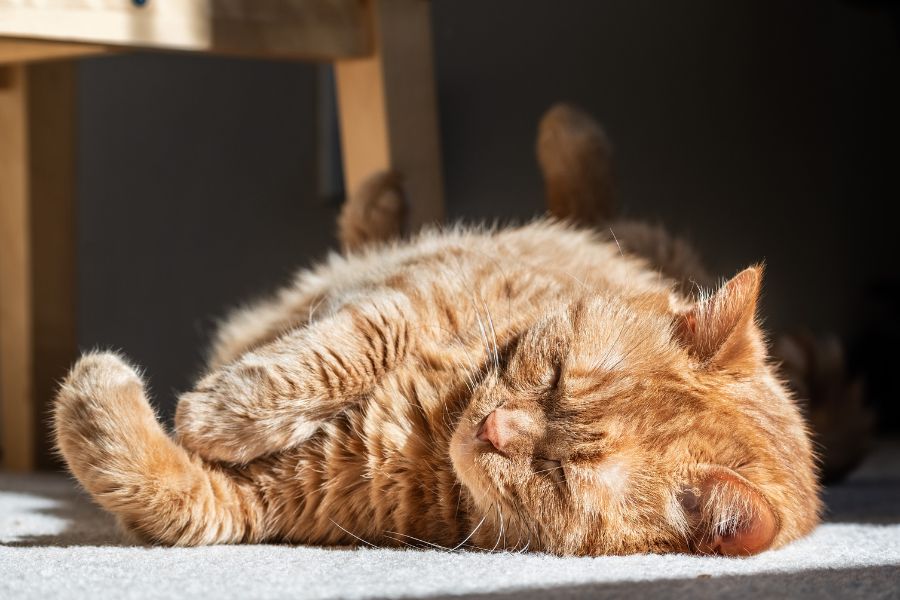
How Cats Handle Temperature Changes
Cats generally regulate body temperature through grooming, seeking comfortable environments, and adjusting their activity. They do not typically pant as a normal cooling mechanism, although occasional panting can occur after significant exertion or stress.
Cats often respond to temperature changes by moving to warmer or cooler areas. A cat may seek sunlight, curl up in a warm bed, or find a shaded location when temperatures change.
Because cats are often good at hiding signs of illness or discomfort, subtle changes in behavior can be important. A cat that becomes unusually inactive, hides more frequently, or changes its eating or drinking habits may need closer observation.
Why Heat Can Be Dangerous for Dogs and Cats
High temperatures can lead to dehydration and heat-related illness. Dogs are generally more likely to be exposed to heat through outdoor walks, exercise, or play, while cats may encounter excessive heat indoors, outdoors, or in poorly ventilated spaces.
Warning signs of overheating can include:
- Excessive panting in dogs
- Rapid or difficult breathing
- Excessive drooling
- Weakness or unusual fatigue
- Vomiting or diarrhea
- Confusion or uncoordinated movement
- Collapse
- Seizures in severe cases
If a pet shows serious signs of heat-related illness, move them to a cooler environment and seek immediate veterinary assistance.
Never leave a pet unattended in a parked vehicle, even for a short period. Vehicle temperatures can rise rapidly and create dangerous conditions.
Why Cold Weather Affects Pets Differently
Cold temperatures can also create health risks. Dogs with thick coats may tolerate cold weather better than short-haired dogs, but coat thickness alone does not determine cold tolerance.
Small dogs, puppies, senior pets, underweight animals, and pets with certain medical conditions may be more sensitive to cold.
Cats can also be vulnerable, particularly if they spend time outdoors. Prolonged exposure may contribute to hypothermia or frostbite.
Signs that a pet may be too cold include:
- Shivering
- Reluctance to move
- Curling tightly for warmth
- Cold ears or paws
- Weakness
- Pale or cool skin
- Unusual sleepiness
Bring your pet indoors if they appear uncomfortable in cold weather.
Indoor Temperature Matters Too
Temperature risks are not limited to outdoor conditions. Homes can become excessively hot or cold, especially during power outages or extreme weather.
Pets should have access to:
- Fresh drinking water
- Comfortable resting areas
- Adequate ventilation
- Shade during hot weather
- Warm bedding during cold conditions
- A temperature-controlled indoor environment
Avoid placing beds directly next to heating vents or allowing pets to remain against hot surfaces for prolonged periods.
Dogs and Cats May Need Different Temperature Strategies
Although both species can experience heat and cold stress, their behaviors differ.
Dogs often require more active management during outdoor exercise. Walks may need to be shortened during hot weather, and strenuous activity should be avoided during periods of extreme heat.
Cats frequently manage temperature by changing where they rest. Indoor cats should have multiple comfortable resting areas and should not be confined to excessively hot or cold rooms.
Regardless of species, pets with chronic health conditions, very young pets, and senior animals may require additional precautions.
How to Keep Pets Safe During Seasonal Changes
Gradual temperature changes are generally easier for pets to tolerate than sudden exposure to extreme conditions. Pet owners can reduce risk by adjusting routines according to the weather.
Helpful measures include:
- Monitor outdoor conditions: Consider temperature, humidity, wind, and direct sun exposure.
- Adjust exercise: Choose cooler parts of the day during hot weather.
- Provide water: Keep clean, fresh water available at all times.
- Check paws: Hot pavement and icy surfaces can injure paw pads.
- Provide shelter: Outdoor access should include protection from heat, cold, wind, and precipitation.
- Watch behavior: Changes in activity, breathing, appetite, or responsiveness can signal discomfort.
- Know your pet’s risk factors: Breed, age, coat, body condition, and health history all matter.
When Should You Contact a Veterinarian?
Temperature-related symptoms can become serious quickly. Difficulty breathing, collapse, severe weakness, confusion, seizures, or suspected heatstroke or hypothermia require prompt veterinary attention.
If your pet repeatedly struggles to tolerate normal seasonal temperatures, discuss the pattern with a veterinarian. An underlying health condition may sometimes contribute to reduced temperature tolerance.
A veterinary hospital can also provide guidance about prevention and appropriate care when weather conditions create additional risks for your pet.
Helping Your Pet Stay Comfortable Year-Round
Dogs and cats do not experience temperature changes in exactly the same way. Paying attention to species-specific behavior, individual risk factors, and environmental conditions can help prevent weather-related health problems.
For personalized veterinary guidance in Reno, NV, schedule your appointment with Aspen Animal Wellness to discuss how seasonal temperature changes may affect your pet.
Frequently Asked Questions
Q1. Are dogs more sensitive to heat than cats?
Ans: Dogs often show more obvious heat-related signs because panting is their primary cooling mechanism. However, cats can also develop dangerous overheating, particularly in poorly ventilated or very hot environments.
Q2. Which dogs are most vulnerable to hot weather?
Ans: Brachycephalic breeds, puppies, senior dogs, overweight pets, and dogs with certain heart or respiratory conditions may have greater difficulty tolerating heat.
Q3. Can indoor cats get too cold?
Ans: Yes. Cats can become uncomfortable or cold when indoor temperatures drop significantly. Young, elderly, underweight, or medically compromised cats may be especially sensitive.
Q4. How can I tell if my dog is overheating?
Ans: Excessive panting, drooling, weakness, vomiting, confusion, difficulty breathing, and collapse can indicate serious heat-related illness. Severe symptoms require immediate veterinary attention.
Q5. Should I change my pet’s exercise routine during extreme weather?
Ans: Yes. During hot weather, consider shorter walks during cooler periods and avoid strenuous activity. In cold weather, limit prolonged exposure and monitor your pet for signs of discomfort.
Q6. Do older pets have more difficulty handling temperature changes?
Ans: They can. Aging may affect circulation, mobility, metabolism, and the ability to regulate body temperature. Senior pets may therefore need additional protection during temperature extremes.