7025 Longley Lane, Suite 40, Reno, NV 89511



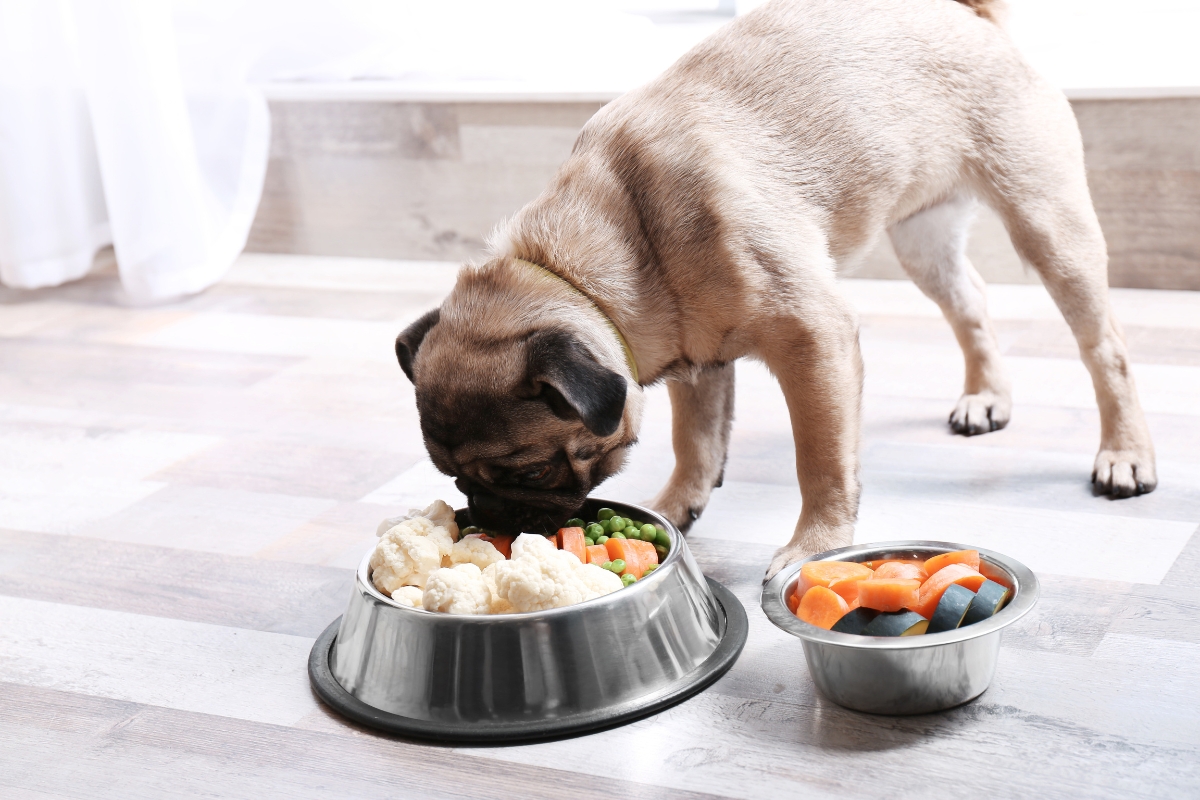
A pet’s nutritional needs change significantly throughout life. Puppies and kittens need nutrients that support rapid growth, while adult dogs and cats require balanced meals that maintain healthy body condition and daily activity. As pets enter their senior years, changes in metabolism, mobility, and health may affect what and how much they should eat.
At Aspen Animal Wellness, pet nutrition is approached according to each animal’s age, lifestyle, body condition, and health needs. Understanding these changes can help pet owners choose appropriate diets, manage portions, and recognize when nutritional adjustments may be beneficial.
Nutrition for Puppies and Kittens
Young pets are growing rapidly, so their nutritional requirements differ from those of adult animals. Puppies and kittens generally need diets formulated specifically for growth and development.
Important nutritional considerations include:
- Adequate high-quality protein for tissue and muscle development
- Appropriate fat levels for energy and development
- Balanced calcium and phosphorus for healthy bones and teeth
- Essential fatty acids that support brain and vision development
- Appropriate vitamins and minerals
- Sufficient calories to support growth without excessive weight gain
Puppies and kittens should be fed food formulated for their specific species and life stage. Large-breed puppies may have additional nutritional considerations because excessive calorie or mineral intake can contribute to abnormal skeletal development.
Portion sizes should also be adjusted as the pet grows. Regular weight checks can help determine whether feeding amounts need to change.
Nutrition for Adult Dogs and Cats
Once a pet reaches adulthood, the nutritional focus shifts from rapid growth to maintaining health and an appropriate body condition.
Adult diets should provide balanced amounts of protein, fats, carbohydrates, vitamins, and minerals. The ideal feeding amount depends on factors such as body size, activity level, age, reproductive status, and overall health.
Portion control is especially important for adult pets. Overfeeding can contribute to excess weight, which may increase the risk of joint problems, metabolic disorders, and other health concerns.
Treats should also be included in the daily calorie intake. Choosing appropriate treats and keeping portions modest can help maintain a healthy weight without eliminating rewards.
Nutrition for Senior Pets
Senior dogs and cats may experience gradual changes in metabolism, activity, muscle mass, and digestive function. However, there is no single senior diet that is appropriate for every older pet.
Some senior animals may need adjustments in calorie intake, protein sources, fiber, or other nutrients. Others may require a therapeutic diet because of a diagnosed medical condition.
For example, pets with certain kidney, gastrointestinal, urinary, or metabolic conditions may benefit from specially formulated nutrition under veterinary guidance.
Maintaining muscle condition is also important as pets age. A veterinarian can evaluate body weight and muscle mass and determine whether dietary changes are appropriate.
How Lifestyle Influences Nutritional Needs
Age is only one part of a pet’s nutritional profile. Two animals of the same age may have very different dietary requirements.
Consider factors such as:
Activity Level
Highly active dogs may require more energy than pets with a sedentary lifestyle. Conversely, indoor cats or less active pets may gain weight if they receive more calories than they use.
Breed and Body Size
Breed and size can influence growth patterns, energy requirements, and susceptibility to certain health conditions. Large and small dogs may therefore need different nutritional approaches.
Health History
Existing medical conditions can significantly change dietary requirements. Pets receiving medication or treatment for chronic conditions may need specific nutritional recommendations.
Body Condition
A pet’s body condition is often more useful than simply looking at their weight. A veterinarian can assess whether an animal has an appropriate amount of body fat and muscle.
Signs Your Pet’s Diet May Need Reevaluation
Pet owners should monitor changes in weight, appetite, stool quality, energy, and overall condition. Possible signs that a diet may need professional review include:
- Unexplained weight gain or weight loss
- Persistent digestive problems
- Changes in appetite
- Reduced muscle mass
- Poor coat or skin condition
- Excessive thirst
- Difficulty maintaining an appropriate body condition
These signs can have many possible causes and should not automatically be attributed to diet. A veterinary evaluation can help determine whether an underlying health problem is involved.
How to Choose the Right Food
When selecting food, look for a complete and balanced diet appropriate for your pet’s species and life stage. Feeding recommendations on packaging can provide a starting point, but individual calorie requirements vary.
Avoid making frequent diet changes simply because a product is marketed for a particular health benefit. Nutritional decisions should consider the entire diet, your pet’s health, and professional veterinary recommendations.
Fresh water should also be available at all times. Hydration is particularly important for cats and pets with certain health conditions.
When Should You Change Your Pet’s Diet?
Diet changes should generally be based on a genuine nutritional or health need rather than age alone. A growing puppy eventually transitions to adult food, while an older pet may or may not require a senior-specific diet.
When a diet change is recommended, transitioning gradually over several days can help reduce digestive upset. The appropriate transition period may vary depending on the pet and the reason for the change.
Nutritional needs evolve as dogs and cats move from growth to adulthood and later life. Choosing an appropriate diet, controlling portions, monitoring body condition, and adjusting nutrition when health needs change can support long-term wellness.
For pet owners in Reno, NV, individualized nutritional guidance can help ensure feeding decisions are appropriate for a pet’s current life stage and health status. Schedule your appointment with Aspen Animal Wellness to discuss a nutrition plan suited to your dog’s or cat’s individual needs.
FAQs:
Q1. Do puppies and kittens need different food from adult pets?
Ans: Yes. Growing puppies and kittens generally need diets formulated to support development, with appropriate levels of calories, protein, fats, vitamins, and minerals.
Q2. When should a puppy or kitten switch to adult food?
Ans: The timing varies based on species, breed, size, and individual development. Your veterinarian can recommend an appropriate transition point.
Q3. Do senior dogs and cats always need senior pet food?
Ans: Not necessarily. Some older pets remain healthy on an appropriate adult maintenance diet, while others may benefit from nutritional changes based on their health and body condition.
Q4. How can I tell if my pet is overweight?
Ans: Look for changes in body shape, waist definition, and the ability to feel the ribs without excessive fat covering. A veterinary professional can provide a more accurate body condition assessment.
Q5. Should I change my pet’s food if they gain weight?
Ans: Weight gain may require changes to calorie intake, portions, activity, or food type. A veterinarian can help identify the most appropriate adjustment.
Q6. Can medical conditions affect what my pet should eat?
Ans: Yes. Conditions involving the kidneys, urinary system, digestive tract, metabolism, and other organs may require specific nutritional management.