7025 Longley Lane, Suite 40, Reno, NV 89511



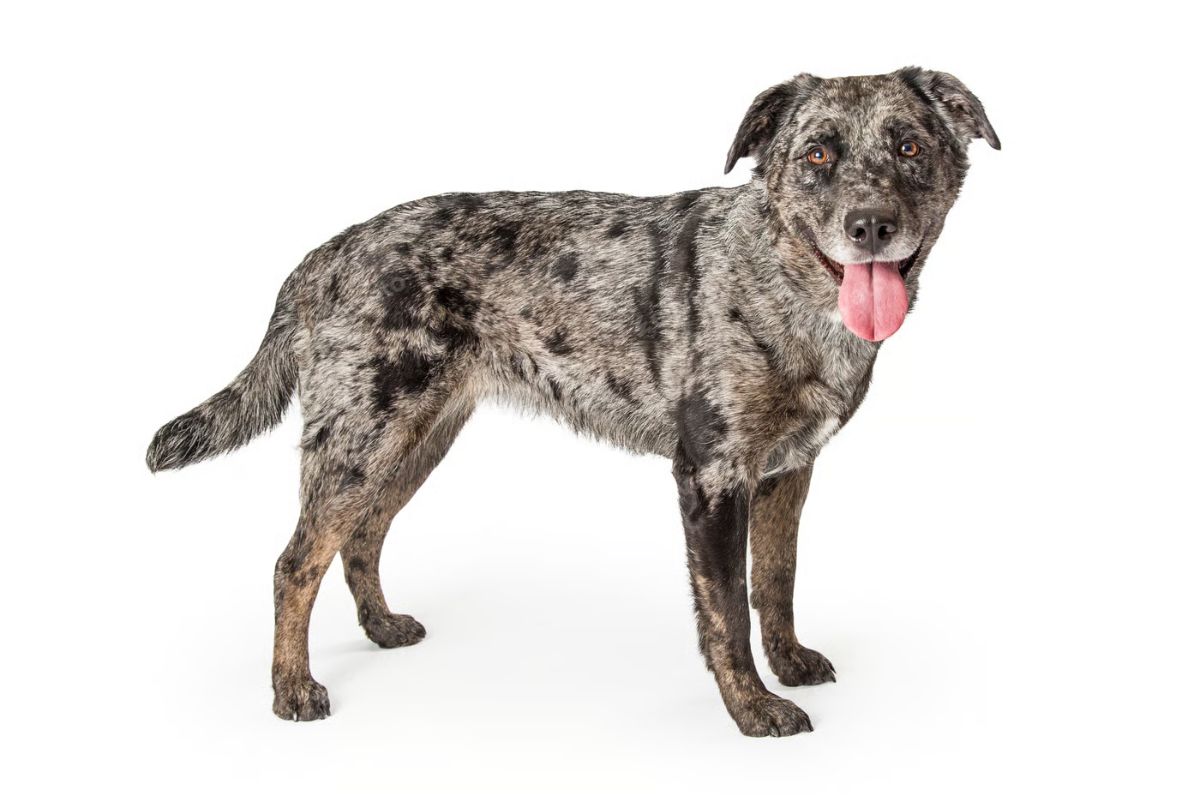
The Catahoula Leopard Dog is an athletic, intelligent, and distinctive breed known for its striking coat patterns, strong work ethic, and independent personality. Originally developed in Louisiana, these dogs were bred to work, herd, hunt, and protect. As a result, they often thrive when they have a clear purpose, consistent training, and plenty of physical and mental stimulation.
For prospective owners, the Catahoula Leopard Dog can be an impressive companion, but this breed is not necessarily the right match for every household. Its energy level, intelligence, independence, and protective tendencies require an owner who understands canine behavior and is prepared to provide structured daily activities.
When bringing home a Catahoula, establishing a relationship with vets can also help you stay ahead of vaccinations, parasite prevention, nutrition, dental health, and breed-related concerns from puppyhood through adulthood.
Catahoula Leopard Dog at a Glance
Before choosing this breed, it helps to understand its basic characteristics.
- Breed type: Herding and working dog
- Origin: Louisiana, United States
- Size: Medium to large
- Build: Muscular and athletic
- Coat: Short and close-fitting
- Common coat patterns: Merle, solid, brindle, and patched patterns
- Temperament: Intelligent, energetic, independent, loyal, and protective
- Exercise needs: High
- Training needs: Consistent and ongoing
- Lifespan: Often around 10 to 14 years, although individual dogs vary
The breed’s appearance can vary considerably, especially in coat color and eye color. Some Catahoulas have striking blue, amber, brown, or differently colored eyes.
What Is the Catahoula Leopard Dog’s Temperament Like?
Catahoulas are typically intelligent, confident, energetic, and strongly bonded to their families. However, their independent nature can sometimes make training more challenging than it is with breeds that were developed primarily to respond closely to human direction.
They often enjoy having a job to do. Without enough activity or structure, a bored Catahoula may find its own entertainment, which can include digging, chewing, excessive barking, or other unwanted behaviors.
These dogs can also be protective of their homes and families. Early socialization is therefore particularly important.
A well-socialized Catahoula can become a loyal and dependable companion, but owners should not expect every dog to have the same personality. Genetics, early experiences, training, environment, and individual temperament all influence behavior.
Are Catahoula Leopard Dogs Good Family Dogs?
They can be, particularly in households prepared to meet their exercise, training, and socialization needs.
However, this breed may not be ideal for every family. A Catahoula may be more comfortable in an active household where daily walks, training sessions, outdoor activities, and mental challenges are part of the routine.
Families with young children should supervise interactions and teach both children and dogs appropriate boundaries. Because Catahoulas can be strong and energetic, even friendly play can accidentally knock over a small child.
A family considering the breed should focus on the individual dog’s temperament rather than assuming that every Catahoula will behave the same way.
How Much Exercise Does a Catahoula Leopard Dog Need?
Catahoulas generally need substantial daily exercise because they were developed as working dogs.
A suitable routine may include:
- Brisk walks
- Hiking
- Fetch
- Obedience training
- Agility activities
- Scent games
- Structured play
- Interactive puzzle toys
Simply letting a Catahoula into the backyard may not provide enough stimulation. Physical exercise should be combined with activities that make the dog think.
Mental enrichment is particularly important because intelligent dogs can become frustrated when they lack appropriate challenges.
However, puppies require special consideration. Excessive high-impact exercise during growth can place unnecessary stress on developing bones and joints. Ask your veterinarian to help establish an age-appropriate exercise routine.
Training a Catahoula Leopard Dog
Training should begin early and remain consistent.
Because Catahoulas are intelligent and independent, they may quickly learn both desirable and undesirable behaviors. Clear expectations and positive reinforcement can help channel their intelligence in productive ways.
Start With Basic Commands
Begin with foundational skills such as:
- Sit
- Down
- Stay
- Come
- Leave it
- Drop it
- Loose-leash walking
Keep sessions short enough to maintain attention, and gradually increase difficulty.
Prioritize Recall
A reliable recall is especially important for active breeds. Catahoulas can have strong instincts to chase or pursue moving animals, so off-leash freedom should only be introduced in secure environments after dependable recall has been established.
Socialize Early
Introduce puppies gradually to people, healthy dogs, sounds, surfaces, environments, and everyday experiences.
The goal is not to overwhelm the puppy. Instead, create positive experiences that help the dog learn how to respond calmly to unfamiliar situations.
Catahoula Leopard Dog Grooming Needs
Fortunately, grooming a Catahoula is generally straightforward.
Its short coat typically requires regular brushing to remove loose hair and distribute natural oils. Bathing can be performed when necessary, particularly when the dog becomes dirty or develops an odor.
Routine care should also include:
- Nail trimming
- Ear checks
- Tooth brushing
- Skin checks
- Coat brushing
Pay special attention to the ears, especially if your dog spends significant time outdoors or swimming. Moisture and debris can contribute to ear problems.
Dental care should also begin early. Regular tooth brushing and veterinary dental examinations can help reduce plaque and periodontal disease.
What Should You Feed a Catahoula Leopard Dog?
A Catahoula needs a complete and balanced diet appropriate for its age, size, activity level, and health status.
Puppies have different nutritional requirements from adults, while highly active adult dogs may have different calorie needs from less active individuals.
Avoid feeding based solely on how hungry your dog appears. Portion sizes should be adjusted according to body condition, activity, growth stage, and veterinary recommendations.
Fresh water should always be available.
Treats can support training, but excessive treats can contribute to unhealthy weight gain. Ideally, treats should remain a relatively small portion of total daily calories.
If your dog has food allergies, digestive problems, obesity, or another medical condition, your veterinarian can recommend an appropriate nutrition strategy.
Common Catahoula Leopard Dog Health Problems
Catahoulas can be healthy dogs, but responsible owners should understand potential health concerns.
Hip Dysplasia
Hip dysplasia occurs when the hip joint develops abnormally. It can contribute to pain, stiffness, difficulty rising, and reduced mobility.
Maintaining a healthy body weight and providing appropriate exercise can help support joint health.
Hearing Problems
Some Catahoulas, particularly those with certain merle or predominantly white coat patterns, may have an increased risk of congenital deafness.
A puppy that does not respond consistently to sounds should receive a veterinary evaluation.
Eye Conditions
Inherited or developmental eye problems can occur in dogs, and changes such as cloudiness, squinting, redness, discharge, or vision difficulties should be evaluated.
Obesity
An active dog can still gain excess weight if calorie intake consistently exceeds energy expenditure.
Obesity can place additional stress on joints and contribute to other health problems. Regular weight monitoring is therefore important.
Skin and Ear Problems
Allergies, parasites, environmental irritation, and moisture can contribute to skin or ear problems.
Repeated scratching, head shaking, redness, odor, hair loss, or discharge should not be ignored.
Preventive Health Care for Catahoulas
Preventive care is one of the most effective ways to support a dog’s long-term health.
Your Catahoula should receive routine veterinary examinations, recommended vaccinations, parasite prevention, dental care, nutritional monitoring, and age-appropriate screening.
Puppies generally require more frequent visits because they are growing rapidly and completing their initial vaccination series.
Adult dogs still benefit from regular wellness examinations, while senior dogs may need more frequent monitoring as their health needs change.
If you notice changes in appetite, weight, energy, mobility, behavior, drinking, urination, bowel movements, or skin condition, contact your veterinarian rather than waiting for the problem to progress.
Is a Catahoula Leopard Dog Right for You?
A Catahoula may be a good match if you want an active, intelligent dog and are prepared to invest time in training and enrichment.
Consider this breed if you can provide:
- Daily physical activity
- Consistent training
- Early socialization
- Mental stimulation
- Secure outdoor space when appropriate
- Regular veterinary care
- Clear household boundaries
On the other hand, a Catahoula may be challenging for someone looking for a low-energy companion that requires minimal training.
Before adopting, consider the dog’s age, previous experiences, temperament, exercise requirements, and compatibility with your household.
The Catahoula Leopard Dog can be a remarkable companion for the right household. Its intelligence, athleticism, loyalty, and working instincts make it an engaging breed, but those same qualities mean it needs consistent training, regular exercise, socialization, enrichment, and preventive health care.
Before bringing one home, consider whether your lifestyle can meet the breed’s physical and mental needs. Once your Catahoula becomes part of your family, regular veterinary care can help support healthy development and identify potential problems early.
If you are searching for vets in reno nv and need personalized guidance about your Catahoula’s nutrition, preventive care, behavior, or health needs, schedule your appointment with Aspen Animal Wellness. A veterinary team can help create a care plan tailored to your dog’s age, lifestyle, and individual health needs.