7025 Longley Lane, Suite 40, Reno, NV 89511



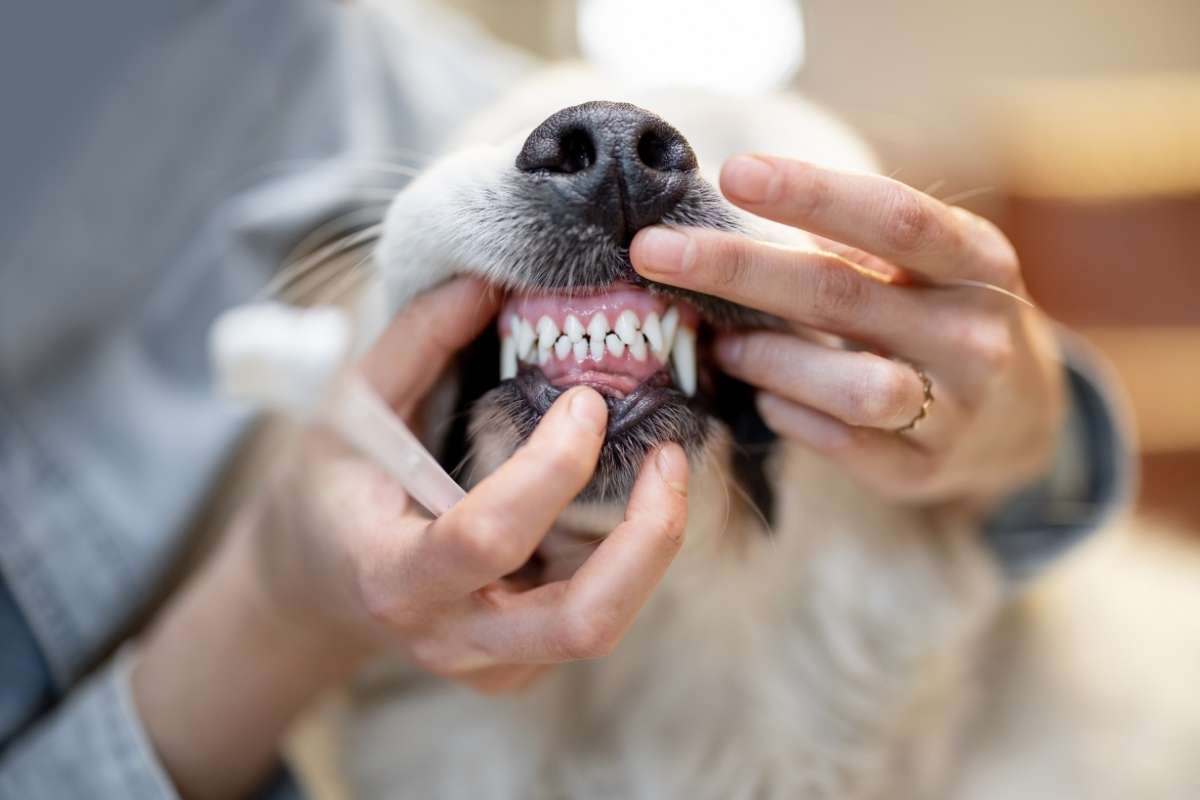
Many pet owners do not realize their pets have dental problems until the issues become serious. Understanding the different stages of dental disease can help you identify early signs and take appropriate steps to keep your pet’s teeth healthy and clean.
What Is Pet Dental Disease?
Pet dental issues are quite common and tend to get worse gradually. The problem starts when plaque builds up on your pet’s teeth and gums, forming a layer that is hard to notice at first because the signs are usually mild. If this plaque is not removed early, it can harden into tartar, leading to infections and tooth loss. This not only affects your pet’s ability to eat comfortably but can also impact their overall health. Acting quickly to address dental concerns can prevent serious problems from developing and help keep your pet healthy and comfortable.
Pet dental problems can affect both cats and dogs, and it is essential to remember that these issues can start as early as three years old in some animals. Often, signs like bad breath or drooling are only noticed when the condition has already become serious. By understanding the different stages of pet dental disease, pet owners can take timely steps to prevent it from becoming a significant health problem.
Stages of Pet Dental Disease
Dental issues in pets develop gradually, with increasingly severe symptoms and complications at each stage. It progresses through four main stages:
1. Stage 1: Gingivitis (Early Gum Inflammation)
The first sign of dental problems in pets is gingivitis, which is mild gum inflammation caused by plaque buildup. At this stage, the gums might look a little red or swollen, especially near the gumline. You might also notice your pet has bad breath, although it is usually not very strong. If you catch it early and take proper dental care steps, such as regular brushing and professional cleanings, gingivitis can be reversed and prevented from worsening.
2. Stage 2: Early Periodontitis (Mild Infection)
In the second stage, plaque hardens into tartar, causing the gums to pull away from the teeth and form pockets where bacteria can grow. This can lead to mild infections and increased inflammation. You might notice that your pet’s breath smells worse than usual, and there could be some bleeding when brushing or chewing. If left untreated, this infection can reach the bones and supporting tissues that hold the teeth in place.
3. Stage 3: Advanced Periodontitis (Severe Infection)
At this stage, the infection progresses and can cause your pet’s teeth to become loose due to damage to the supporting bone and tissues. Symptoms might include receding gums, heavy tartar buildup, and signs of infection, such as pus or swelling. Your pet may also have difficulty eating, drool excessively, or lose teeth altogether. A visit to the veterinarian is now essential for professional dental treatment, which could include cleaning, tartar removal, and possibly tooth extraction.
4. Stage 4: End-Stage Periodontitis (Tooth Loss and Severe Infection)
The final stage of dental problems in pets involves severe damage to the teeth, gums, and underlying bones. At this point, the infection can spread to other organs such as the heart, kidneys, and liver. Pets may have difficulty eating, lose many teeth, and suffer ongoing pain. Treatment typically includes surgery to remove damaged teeth and medications to manage the infection.
Tips for Preventing Dental Issues in Pets
While pet dental disease progresses in stages, it is preventable. Regular dental care is key to keeping your pet’s mouth healthy. Here are some ways to help prevent dental disease:
- Brushing Teeth Regularly: Brushing your pet’s teeth at least three times a week can help prevent plaque from turning into tartar. There are pet-specific toothbrushes and toothpastes made that make this process easier and safer.
- Dental Chews and Toys: Providing dental chews or toys designed to clean teeth can help reduce plaque buildup. Ensure the chew toys are safe and appropriate for your pet’s size.
- Regular Professional Cleanings: Professional cleanings are essential to eliminate tartar that brushing alone cannot remove. You should schedule your pet’s first dental check-up by the age of one or two years.
- Annual Checkups: Regular health check-ups help your care team monitor your pet’s dental health and detect problems early. Early detection makes dental disease easier to treat and manage.
Prioritize Your Pet’s Oral Health
Understanding the different stages of dental diseases in pets is essential for preventing or managing this common health issue. Regular veterinary dental care and annual checkups play an essential role in keeping your pet’s mouth healthy and preventing serious dental problems.
It is best to schedule your pet’s dental exam now rather than wait until issues become severe, ensuring your pet stays comfortable and healthy.
Pet owners in Reno, NV, can turn to Aspen Animal Wellness if they’re concerned about their pet’s dental health. Contact us to schedule a dental consultation and help keep your pet’s teeth and gums healthy for years to come.
FAQs
Q1. Can dental disease affect other parts of my pet’s body?
Ans. Yes, dental disease can affect the heart, kidneys, and liver if bacteria from infected gums enter the bloodstream. It’s essential to address dental disease early to prevent systemic health issues.
Q2. How often should I schedule a dental cleaning for my pet?
Ans. Pets should have a professional dental cleaning at least once a year, depending on their breed and oral health. Some pets, especially those with a history of dental issues, may require more frequent cleanings.
Q3. What happens in the later stages of pet dental disease?
Ans. In later stages, pets may experience tooth loss, severe gum infections, and difficulty eating. Infected teeth may need to be extracted, and the infection can spread to other organs, leading to systemic health problems.
Q4. Is it too late to treat my pet’s dental disease if it’s in stage 3 or 4?
Ans. While stage 3 and 4 dental disease are more severe, they can still be treated with professional care. This may include deep cleaning, tooth extractions, and medications to manage the infection.
Q5. Can I use human toothpaste to brush my pet’s teeth?
Ans. No, human toothpaste contains ingredients that are harmful to pets if swallowed. Use pet-specific toothpaste and toothbrushes designed to clean teeth safely and effectively.