7025 Longley Lane, Suite 40, Reno, NV 89511



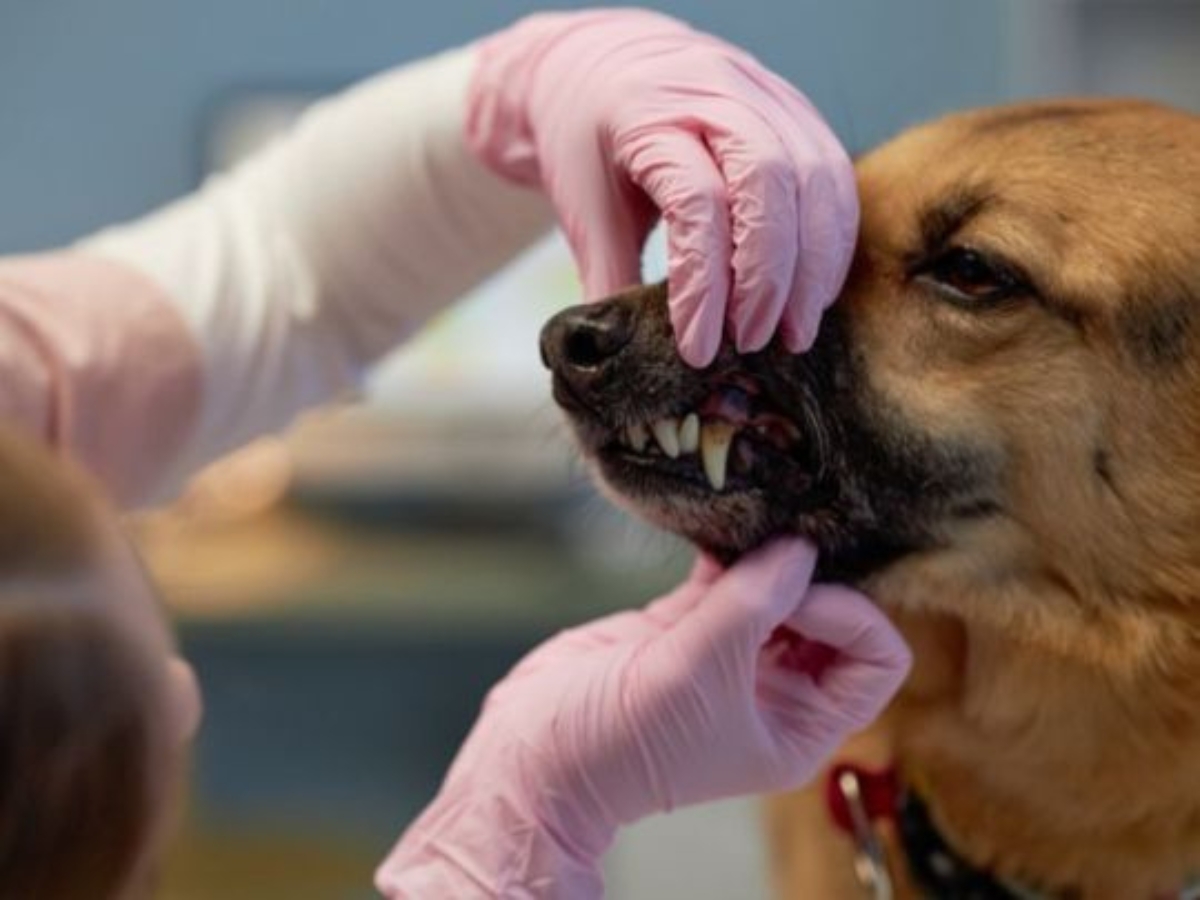
Your pet’s wagging tail or playful purring may hide a painful secret—dental disease. Just like humans, pets can suffer from oral health problems that go far beyond bad breath. When left untreated, dental issues in pets can evolve into life-threatening conditions. What may begin as simple tartar buildup could eventually damage major organs, affect daily behavior, and shorten their lifespan.
The Hidden Dangers of Neglected Pet Dental Health
At first glance, a little plaque might not seem like a big deal. However, oral bacteria don’t just stay confined to the mouth. Over time, these bacteria seep into the bloodstream through inflamed gums—a condition known as periodontal disease. Once in the bloodstream, they can attack the heart, liver, and kidneys.
Not only does this create chronic health problems, but it also significantly reduces your pet’s quality of life. Dental disease is one of the most common medical conditions seen in cats and dogs over the age of three.
Red Flags You Shouldn’t Ignore
Many pet owners overlook early warning signs of dental disease simply because animals often suffer in silence. But if you know what to look for, you can catch the problem before it spirals out of control.
Here are a few red flags:
- Persistent bad breath
- Drooling or pawing at the mouth
- Difficulty eating or chewing
- Loose or missing teeth
- Swollen or bleeding gums
- Behavioral changes such as irritability or lethargy
Once these symptoms appear, dental disease is often already advanced. Acting early makes a huge difference.
From Mouth to Organs: How Dental Disease Spreads
As bacteria continue to thrive in a diseased mouth, they slowly begin their journey to your pet’s internal systems. Here’s how it happens:
1. Heart Trouble
Oral bacteria can inflame heart valves, leading to endocarditis—a potentially fatal condition. The heart must then work harder, which can lead to cardiac disease.
2. Kidney and Liver Damage
The kidneys and liver work tirelessly to filter waste from the bloodstream. When bacteria from the mouth infiltrate the blood, these organs suffer the consequences, leading to infections and decreased function.
3. Chronic Pain and Inflammation
Painful oral infections make it hard for pets to eat, play, or enjoy life. Chronic inflammation weakens the immune system, making pets more susceptible to other diseases.
Prevention Is Better Than a Cure
The best defense against dental disease is prevention. Regular check-ups and cleanings from a qualified veterinarian ensure your pet’s mouth stays healthy. Home care, like brushing your pet’s teeth and offering dental chews, adds an extra layer of protection.
Veterinary professionals specializing in pet dentistry in Reno, NV, can guide you with customized dental plans that suit your pet’s needs. Even if your pet seems fine, a dental exam might reveal issues that aren’t visible from the outside.
Dental Cleanings: More Than Cosmetic
Many pet owners assume dental cleanings are purely cosmetic, but nothing could be further from the truth. Professional dental cleanings under anesthesia allow veterinarians to:
- Remove plaque and tartar above and below the gumline
- Inspect each tooth for damage
- Take X-rays to detect hidden issues
- Prevent tooth loss and systemic disease
While at-home care is helpful, it can’t reach the areas that professional tools can.
Dental care is often underestimated, but it plays a vital role in your pet’s overall well-being. Don’t wait until symptoms appear. Proactive dental care can add years to your pet’s life and spare them unnecessary pain.
Your furry friend relies on you for their health and happiness—make dental care a part of your regular pet parenting routine.
FAQs: Pet Dental Health
1. How often should I have my pet’s teeth professionally cleaned?
A: Most vets recommend annual dental cleanings, but some pets—especially smaller breeds—may need more frequent care.
2. What are the signs my pet has dental issues?
A: Bad breath, drooling, red gums, difficulty chewing, and changes in eating behavior are all potential signs.
3. Is anesthesia safe for pet dental cleanings?
A: Yes, when administered by a trained professional, anesthesia is generally very safe and allows for a thorough cleaning and examination.
4. Can dental disease affect my pet’s organs?
A: Absolutely. Oral bacteria can enter the bloodstream and impact the heart, kidneys, and liver, leading to serious complications.
5. What can I do at home to maintain my pet’s oral health?
A: Brush their teeth regularly, offer dental treats, and use vet-approved oral rinses. Consistency is key.
6. Do cats need dental care too?
A: Yes! Cats are equally prone to dental disease and need just as much dental care as dogs.