7025 Longley Lane, Suite 40, Reno, NV 89511



As a veterinarian, one of the most common issues I encounter in my canine patients is dental disease. It’s a silent epidemic that can lead to significant pain, infection, and even systemic health problems if left unaddressed. Just like in humans, proper dental care is crucial for your dog’s overall well-being. This guide aims to equip pet owners with the knowledge and practical tips to maintain their furry friend’s pearly whites.
The Importance of Canine Dental Health
Many owners underestimate the impact of poor dental hygiene on their dogs. Beyond bad breath, tartar and plaque buildup can lead to gingivitis, periodontal disease, tooth loss, and even affect organs like the heart and kidneys. Regular dental care isn’t just about aesthetics; it’s a vital component of preventive healthcare.
When to Start: Early Intervention is Key
The sooner you start a dental routine, the better. Ideally, puppies should be introduced to tooth brushing from a young age, making it a positive and normal experience. Even if your dog is older, it’s never too late to begin implementing some of these tips.
1. Daily Brushing: The Gold Standard
Just like us, daily brushing is the most effective way to remove plaque before it hardens into tartar. Use a vet-approved dog toothpaste (never human toothpaste, as it contains xylitol, which is toxic to dogs) and a canine toothbrush or a finger brush. Make it a positive experience with praise and treats. Start with short sessions and gradually increase the duration.
2. Regular Professional Dental Cleanings
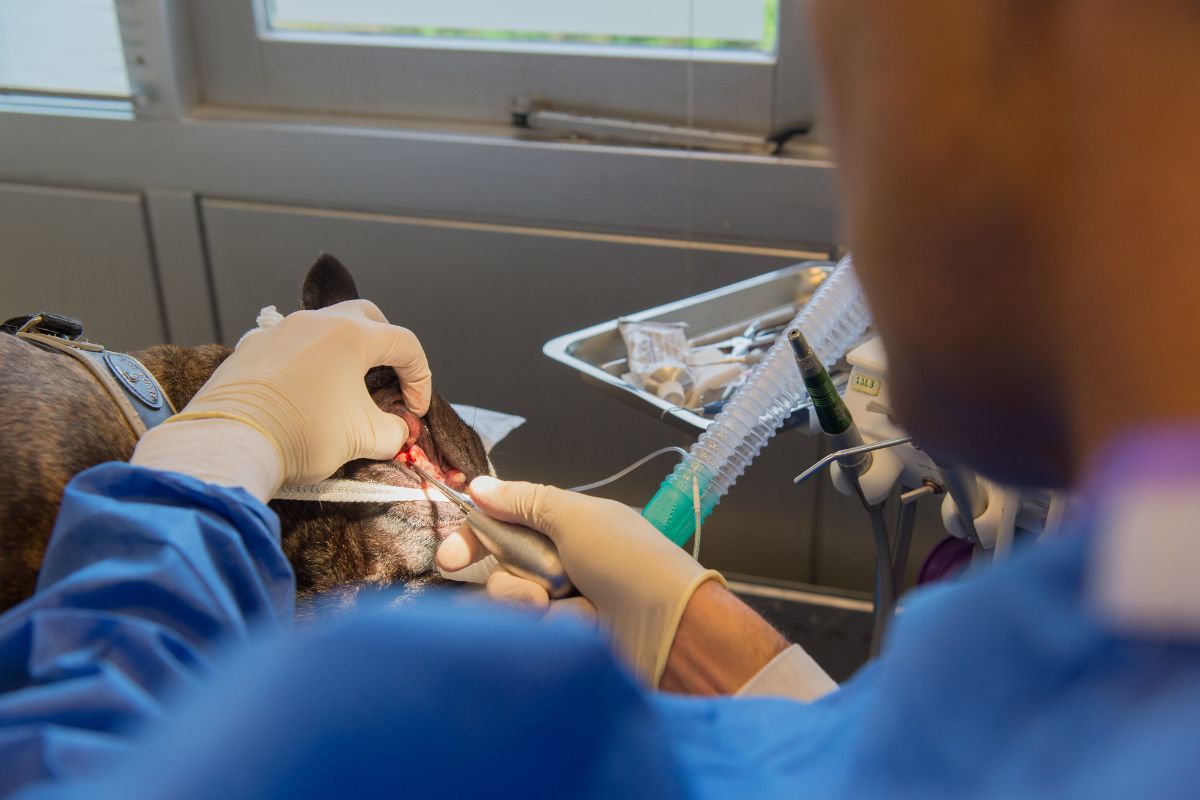
Even with diligent home care, plaque and tartar can accumulate below the gum line, where brushing can’t reach. This is why regular professional dental cleanings under anesthesia are essential. Your vet can thoroughly clean and polish teeth, assess for any underlying issues, and extract any diseased teeth. The frequency depends on your dog’s breed, age, and individual dental health; however, it is generally recommended to have a dental check-up once a year or every two years.
3. Dental Chews and Treats: Choose Wisely
Not all dental chews are created equal. Look for products that are approved by the Veterinary Oral Health Council (VOHC), which signifies they meet specific standards for plaque and tartar control. While beneficial, they are not a substitute for brushing or professional cleanings.
4. Dental Diets: A Specialized Approach
Some veterinary-exclusive diets are formulated with a unique kibble design that helps to scrub teeth clean as your dog chews. These diets can be a valuable addition to your dental care routine, especially for dogs prone to dental issues. Consult your vet to see if a dental diet is proper for your dog.
5. Water Additives: A Supplemental Tool
Certain water additives contain ingredients that help reduce bacteria in the mouth and prevent plaque formation. While they can offer some benefits, they should be used as a supplement to other dental care practices, not as a standalone solution.
6. Provide Appropriate Chew Toys
Hard rubber or nylon chew toys can help satisfy your dog’s natural urge to chew while also providing some mechanical cleaning action. Avoid toys that are too hard, such as real bones or antlers, as these can fracture teeth.
7. Monitor for Warning Signs
Be vigilant for signs of dental problems, such as bad breath, discolored teeth, excessive drooling, difficulty eating, pawing at the mouth, or swelling around the face. If you notice any of these symptoms, schedule an appointment with your veterinarian promptly.
8. Regular Home Oral Inspections
Get into the habit of regularly lifting your dog’s lips to inspect their teeth and gums. Look for redness, swelling, bleeding, or any broken or loose teeth. This can help you catch potential issues early.
9. Introduce Dental Care Early and Positively
The key to successful dental care is to make it a positive experience for your dog from a young age. Use treats, praise, and gentle handling to create positive associations with tooth brushing and oral examinations.
10. Don’t Skip the Annual Dental Examination for Pets
During your dog’s annual wellness check-up, your veterinarian will perform a thorough dental examination. This is a crucial opportunity for them to assess your dog’s oral health, identify any developing issues, and recommend appropriate preventative or treatment plans. This regular assessment is foundational to a lifelong commitment to your dog’s dental well-being.
By implementing these ten tips, you can significantly improve your dog’s dental health, prevent painful conditions, and contribute to a longer, healthier, and happier life for your beloved companion. Remember, a healthy mouth is a healthy dog!