7025 Longley Lane, Suite 40, Reno, NV 89511



Halloween brings costumes, candy, decorations, and a steady stream of visitors to many neighborhoods. For cat owners, however, the holiday also brings a few risks that are easy to overlook.
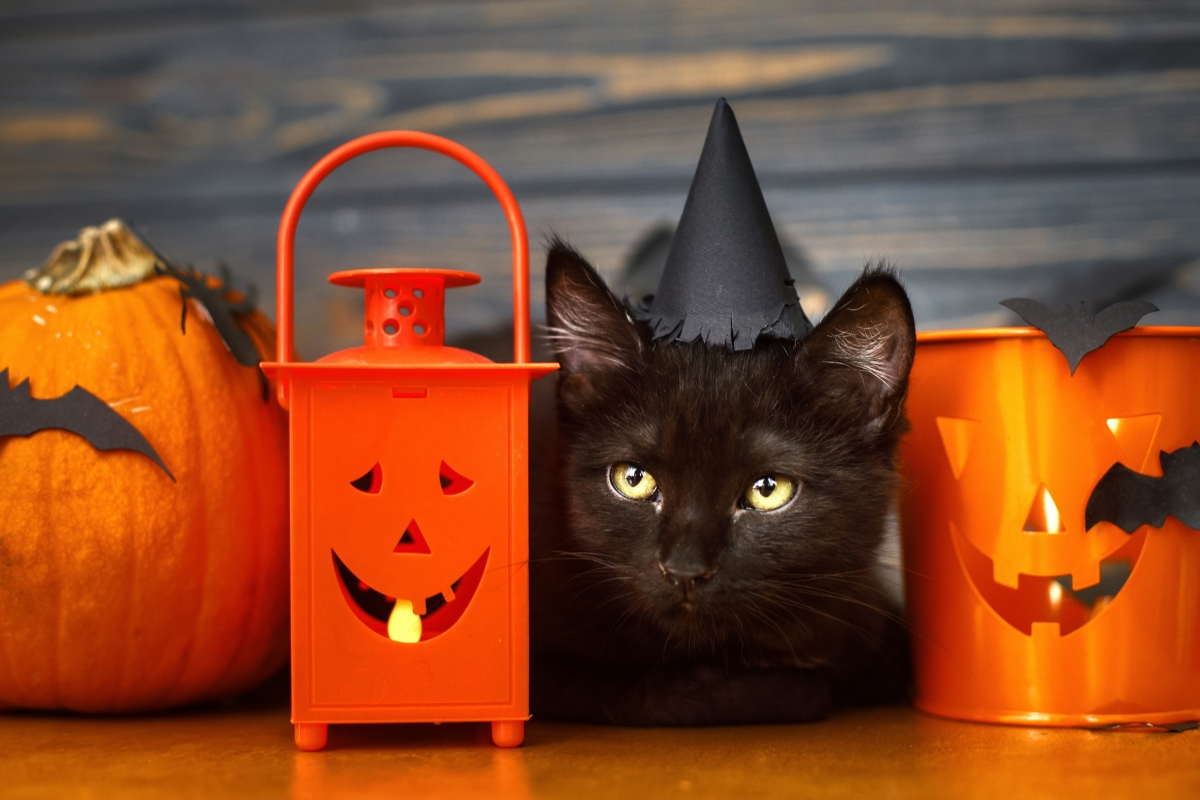
Black cats deserve particular attention during Halloween. Their dark coats can make them difficult for drivers and pedestrians to see after sunset. An open front door can also give a frightened or curious cat an opportunity to slip outside. Indoors, candy, wrappers, decorations, candles, and unfamiliar visitors can create additional problems.
Fortunately, you do not have to exclude your cat from the season. A few sensible precautions can help make Halloween quieter and safer for your feline family member.
Why Can Halloween Be Stressful for Black Cats?
Cats tend to appreciate familiar surroundings and predictable routines. Halloween can change both in a matter of hours.
The doorbell may ring repeatedly. Children may gather outside. People wearing masks and costumes can appear at the door. Music, decorations, and unfamiliar voices may make the house feel different.
Even a normally relaxed cat may respond by hiding, pacing, trying to escape, or becoming unusually vocal.
The safest plan is often to give your cat a quiet place away from the front door before trick-or-treating begins. The room should have everything your cat needs, including fresh water, a litter box, bedding, and familiar toys.
ASPCA guidance similarly recommends keeping most cats and dogs in a separate, comfortable room during busy trick-or-treating hours.
Tips To Keep Your Cat Safe This Halloween:
Keep Your Black Cat Indoors on Halloween
Keeping your cat indoors is one of the simplest Halloween precautions you can take.
Black cats can be particularly difficult to spot outdoors after dark. Add busy streets, trick-or-treaters, unfamiliar noises, and frequent vehicle traffic, and an ordinary evening can become much harder for a cat to navigate safely.
If your cat normally spends time outdoors, bring them inside well before evening activities begin. Do not wait until your neighborhood becomes busy.
An indoor cat can still escape when people repeatedly open the front door. Place your cat in a secure room before guests or trick-or-treaters arrive.
If your cat does get outside, current identification can make an important difference. Check that your cat’s identification information is accurate before Halloween.
Create a Quiet Room Away From Trick-or-Treaters
Your cat does not need to participate in every Halloween activity. Choose a quiet room away from the main entrance and prepare it before visitors arrive. Add your cat’s bed or blanket, water, litter box, toys, and another familiar item that carries the scent of home.
Do not force a nervous cat to come out of hiding. Hiding can be a normal way for cats to cope when their surroundings suddenly become noisy or unfamiliar.
You can also close curtains or blinds if movement outside seems to bother your cat. Keep the television, music, or other household noise at a comfortable level.
If your cat has a history of severe fear or anxiety during busy events, speak with your veterinarian before Halloween. A veterinarian can help you determine whether additional measures are appropriate.
Keep Halloween Candy Completely Out of Reach
A bowl of candy may look harmless sitting on the kitchen counter, but Halloween treats do not belong in your cat’s diet.
Chocolate can be dangerous to cats and dogs. Candy wrappers can also become a problem when swallowed because foil, cellophane, and similar materials may cause gastrointestinal obstruction.
Do not assume that your cat will ignore sweets simply because cats are generally less interested in candy than dogs. Wrappers, strings, ribbons, and crinkly packaging can attract curious cats.
Store candy inside a closed cabinet or secure container. Ask children to keep their Halloween bags somewhere your cat cannot reach them.
If you think your cat swallowed chocolate, a wrapper, or another potentially harmful item, contact a veterinary professional promptly. Do not wait for obvious symptoms before seeking guidance.
Be Careful With Glow Sticks and Glow Jewelry
Glow sticks are common on Halloween because they help people remain visible after dark. Unfortunately, they can also become tempting toys for cats.
Cats may bite or puncture glow sticks and glow jewelry. The liquid is extremely bitter and can cause mouth irritation, drooling, or foaming. Cats account for many reported pet exposures involving these products.
Keep glow products inside closed containers when they are not being used. After children return from trick-or-treating, check floors, furniture, and bags for discarded glow jewelry.
If your cat bites into one and develops excessive drooling or unusual behavior, contact a veterinarian for guidance.
Choose Halloween Decorations With Your Cat in Mind
A curious cat can turn a Halloween decoration into a safety problem very quickly. Strings, ribbons, fake cobwebs, dangling decorations, electrical cords, and small plastic pieces may attract playful cats. Swallowing a foreign object can cause digestive problems or an intestinal obstruction.
Candles deserve particular attention. A cat can brush against a flame, burn their whiskers or fur, or knock a candle over. Curious kittens can be especially vulnerable around open flames.
Battery-operated candles can reduce the risk associated with an open flame, but batteries and small components still need to remain inaccessible.
Walk through each room from your cat’s perspective. If something dangles, rolls, flashes, or resembles a toy, assume your cat may investigate it.
Do Not Force Your Cat to Wear a Costume
A cat dressed as a tiny witch might make a fun photograph, but not every cat enjoys wearing clothing. Watch your cat’s body language. A cat that freezes, struggles, hides, flattens their ears, or repeatedly tries to remove a costume is telling you it is uncomfortable.
Costumes should never restrict breathing, vision, hearing, or normal movement. Loose or dangling pieces can also become choking hazards. ASPCA guidance recommends avoiding costumes unless you already know your pet is comfortable wearing them.
A Halloween-themed collar or other simple accessory may be enough for some cats, provided it is safe and comfortable. Your cat’s comfort should matter more than getting the perfect Halloween picture.
Check Identification Before Halloween Night
Even careful cat owners can experience an accidental escape. Halloween creates more opportunities for this because doors open frequently and frightened cats can move quickly. Proper identification increases the chance of being reunited with a lost pet.
Before Halloween, confirm that your contact details associated with your cat’s identification are current. If your cat wears a collar, check its condition and identification tag. Cats should use an appropriately fitted breakaway collar rather than one that could become caught. Identification is useful year-round, but it becomes particularly important during busy holidays.
Watch for Signs Your Cat Is in Distress
Cats do not always express stress in obvious ways.
Some cats disappear under a bed. Others become restless or vocal. A frightened cat might refuse food, avoid family members, become defensive, or behave differently around the litter box.
Pay attention to changes such as:
- Persistent hiding
- Pacing or restlessness
- Flattened ears or a tucked posture
- Unusual vocalization
- Refusing food
- Attempts to escape
- Aggression or defensive behavior
- Excessive grooming
- Changes in normal litter box habits
One stressful evening does not necessarily mean your cat has a medical problem. However, persistent or severe behavioral changes deserve attention.
Veterinary evaluation can help determine whether a change is related to stress, pain, illness, or another underlying issue.
Know When Your Cat Needs Veterinary Attention
Not every Halloween mishap can be handled at home. Contact a veterinarian promptly if your cat eats a potentially toxic substance, swallows a foreign object, suffers a burn or injury, or develops concerning symptoms. Warning signs can include repeated vomiting, breathing difficulty, severe weakness, tremors, seizures, collapse, significant bleeding, or extreme distress.
If you are unsure what your cat swallowed, collect the package or take a photograph of the product if you can do so safely. Knowing the product, ingredients, estimated amount, and approximate time of exposure can help veterinary professionals assess the situation. Do not induce vomiting or give medication unless a veterinary professional specifically instructs you to do so.
Preparing Your Black Cat Before Halloween Arrives
Halloween safety becomes much easier when you prepare early. Start by deciding where your cat will stay during the busiest part of the evening. Check identification information and remove unsafe decorations from accessible areas. Decide where candy will be stored, and make sure everyone in the household understands that Halloween treats should not be shared with pets. This is also a useful time to consider your cat’s general health.
Routine veterinary exams help monitor weight, dental health, nutrition, vaccination needs, and other changes that may not be obvious at home. Preventive vet care in Reno can also give cat owners an opportunity to discuss behavior, stress, nutrition, and seasonal concerns before they become larger problems. A little preparation allows you to enjoy Halloween without constantly wondering what your cat is getting into.
Keep Your Black Cat Safe Beyond Halloween
Halloween lasts one night, but protecting your cat’s health is a year-round responsibility. Preventive exams, appropriate vaccinations, dental care, nutrition, early attention to health changes, and prompt care when something goes wrong all contribute to a healthier life.
At Aspen Animal Wellness, pet owners can find quality vet care for cats at different life stages, from routine wellness visits to urgent and advanced medical needs. The practice emphasizes preventive care, education, and low-stress handling to help make veterinary visits easier for cats and their families.
If your cat gets hurt, eats something potentially harmful, or develops concerning symptoms around Halloween, do not simply wait for the problem to pass. Contact us today!
Frequently Asked Questions
Q1. Should I keep my black cat inside on Halloween?
Ans. Yes. Keeping your black cat indoors can reduce the chance of escape, traffic injuries, and other outdoor problems. Bring outdoor cats inside before trick-or-treating starts and keep them away from frequently opened doors.
Q2. What should I do if my cat eats Halloween candy?
Ans. Contact a veterinarian promptly and explain what your cat ate, approximately how much was consumed, and when it happened. Keep the candy package or ingredient information available. Chocolate and some other Halloween foods can be harmful to pets, while swallowed wrappers can create a separate gastrointestinal risk.
Q3. How can I tell if Halloween is making my cat anxious?
Ans. Watch for hiding, pacing, unusual vocalization, reduced appetite, defensive behavior, escape attempts, or other changes from your cat’s normal behavior. Give your cat access to a quiet, familiar room and avoid forcing social interaction.
Q4. Where can I get veterinary help for my cat in Reno, NV?
Ans. Cat owners in Reno can turn to Aspen Animal Wellness for wellness care, urgent care, low-stress handling, nutrition, dentistry, dermatology, surgery, and advanced medical services. The practice also provides cat-specific veterinary services for different stages of life.
Q5. Can Aspen Animal Wellness help if my cat becomes sick or injured around Halloween?
Ans. Yes. Aspen Animal Wellness welcomes urgent care appointments and offers same-day appointments, according to its website. If your cat experiences an injury, ingests something potentially harmful, or develops concerning symptoms, call the Reno practice promptly so the team can advise you about appropriate veterinary care.
Q6. How can Aspen Animal Wellness make veterinary visits easier for a nervous cat in Reno?
Ans. Aspen Animal Wellness uses low-stress handling methods intended to make veterinary visits more comfortable. Its approach includes separate spaces for cats and dogs, private waiting, gentle handling, calming pheromones, treats, and adjustments based on an individual pet’s comfort. For pets with significant anxiety, the practice states that medication before an appointment may also be considered when appropriate.