7025 Longley Lane, Suite 40, Reno, NV 89511



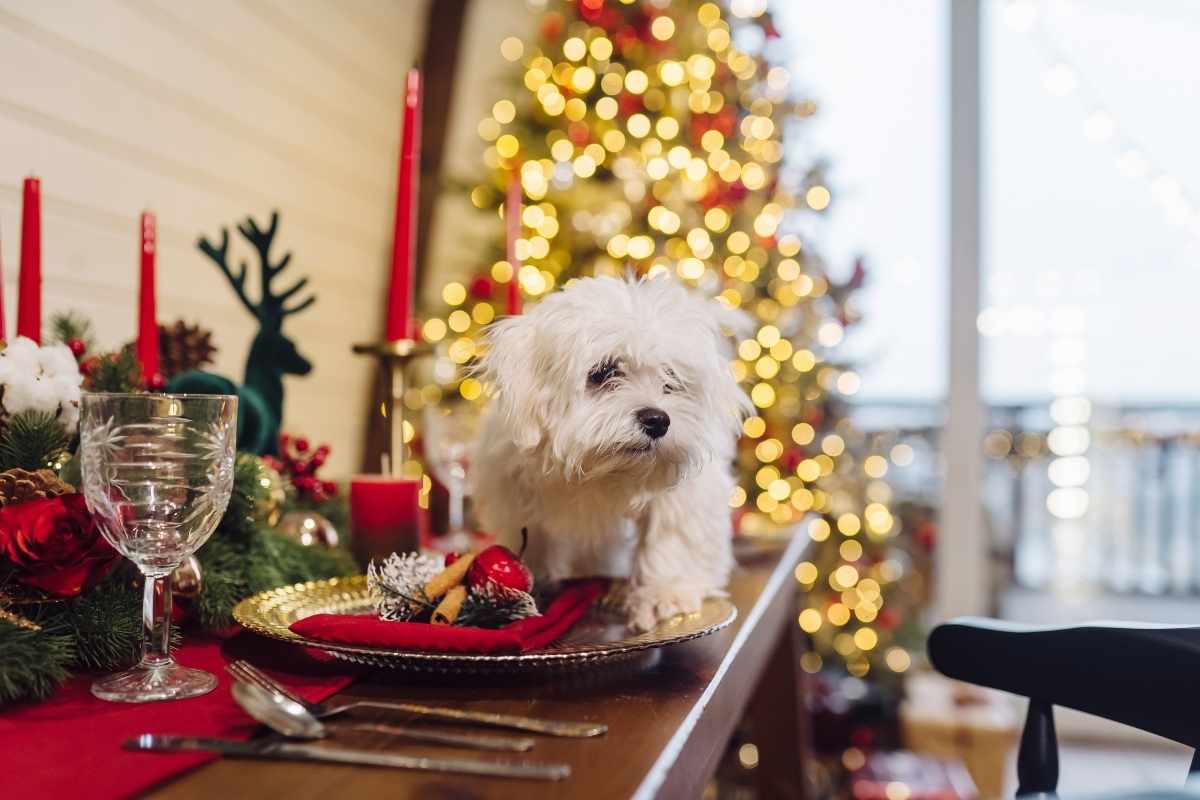
Pet parents in Reno, NV, know that the holidays are about warmth, joy, and sharing special moments—including with your newest furry family member. Puppies are naturally curious and eager to taste everything, which makes Christmas both exciting and risky for them. While festive sweets and rich foods are tempting to share, many seasonal treats can upset a puppy’s sensitive stomach or even pose serious health risks. That’s why choosing homemade Christmas treats for puppies approved by veterinarians is such a smart and loving decision. With the right ingredients and preparation, you can create safe, nutritious goodies that support healthy growth while still making your puppy feel included in the holiday fun.
Understanding Puppies’ Holiday Nutrition Needs
Puppies are still developing, which means their digestive systems are more delicate than those of adult dogs. Even small amounts of rich or unfamiliar foods can cause tummy troubles.
Moreover, puppies need balanced nutrients to support bone growth, brain development, and immune health. Holiday treats should complement—not replace—their regular puppy diet.
Because of this, homemade options allow you to control ingredients and portion sizes, keeping treats both festive and safe.
Why Store-Bought Holiday Treats Aren’t Always Safe
Although many commercial treats look adorable, not all are designed with puppies in mind. Some contain additives or ingredients that are unsuitable for young dogs.
Common concerns include:
- High sugar or salt content
- Artificial preservatives or colors
- Hard textures that may damage developing teeth
Additionally, some holiday-themed treats are meant for adult dogs only. Always read labels carefully, or better yet, make treats at home where you know exactly what goes in them.
Vet-Approved Ingredients for Puppy-Safe Christmas Treats
Choosing the right ingredients is the foundation of safe holiday baking for your puppy. Veterinarians typically recommend simple, whole foods that are easy to digest.
Safe Ingredients to Use
- Plain pumpkin puree (not pie filling)
- Unsweetened applesauce
- Mashed sweet potatoes
- Oat flour or finely ground oats
- Lean cooked turkey or chicken (unseasoned)
Ingredients to Avoid Completely
- Chocolate, cocoa, or carob
- Xylitol (found in many sugar-free products)
- Grapes or raisins
- Nutmeg and excessive cinnamon
- Butter, heavy cream, or added sugars
By sticking to puppy-safe ingredients, you reduce the risk of digestive upset and accidental toxicity.
Easy Homemade Christmas Treat Ideas for Puppies
Creating festive treats doesn’t need to be complicated. In fact, simpler recipes are often better for puppies.
Here are a few easy, vet-approved ideas:
- Pumpkin Oat Bites: Mix pumpkin puree with oat flour and bake until soft.
- Turkey & Sweet Potato Cubes: Combine mashed sweet potato with finely chopped cooked turkey, then bake lightly.
- Apple Oat Pup Cookies: Use unsweetened applesauce and oats for a gentle, naturally sweet flavor.
Always bake treats until firm but not crunchy, as softer textures are easier on puppy teeth.
Portion Control and Feeding Tips During the Holidays
Even healthy treats should be given in moderation. Puppies have small stomachs, and overfeeding can quickly lead to diarrhea or vomiting.
To keep things balanced:
- Limit treats to no more than 10% of daily calories
- Break treats into tiny pieces
- Offer treats after meals, not on an empty stomach
- Introduce only one new treat at a time
About halfway through the holiday season, it’s also helpful to check your puppy’s weight and stool consistency to ensure everything stays on track.
When to Avoid Homemade Treats Altogether
While homemade goodies are usually safe, some puppies need extra caution. Puppies with food sensitivities, frequent stomach upset, or underlying health issues may not tolerate new treats well.
Contact your veterinarian if your puppy shows:
- Vomiting or diarrhea after eating treats
- Lethargy or loss of appetite
- Itchy skin or ear inflammation
In these cases, your vet may recommend sticking to prescription or clinic-approved puppy treats instead.
If you’re looking for trusted local guidance on puppy nutrition and preventive care, compassionate veterinary support is available through Aspen Animal Wellness, where personalized advice is tailored to your puppy’s unique needs.
The holidays should be joyful and stress-free—for both you and your puppy. By choosing vet-approved ingredients, practicing portion control, and keeping recipes simple, you can safely celebrate with festive snacks your puppy will love. Most importantly, homemade Christmas treats for puppies allow you to share the season while protecting your pet’s health. As a final takeaway, monitor your puppy closely when introducing new foods and schedule a veterinary checkup if you notice any unusual reactions.
Frequently Asked Questions:
Q1: Can puppies eat Christmas treats made for adult dogs?
A: Not always. Adult dog treats may be too hard or rich for puppies, so it’s best to choose puppy-specific or homemade options.
Q2: Are spices safe in puppy Christmas treats?
A: Mild cinnamon in very small amounts is generally safe, but nutmeg and mixed holiday spices should be avoided.
Q3: How long do homemade puppy treats last?
A: Most homemade treats last 3–5 days in the refrigerator or up to a month when frozen in airtight containers.
Q4: Can I use peanut butter in puppy treats?
A: Yes, but only if it’s xylitol-free and used sparingly to avoid excess fat.
Q5: How many treats can my puppy have per day?
A: Treats should make up less than 10% of daily calories, usually just a few small pieces per day.
Q6: Should I ask a vet before changing my puppy’s treats?
A: Absolutely. A veterinarian can confirm which ingredients and portions are safest for your puppy’s age and breed.