7025 Longley Lane, Suite 40, Reno, NV 89511



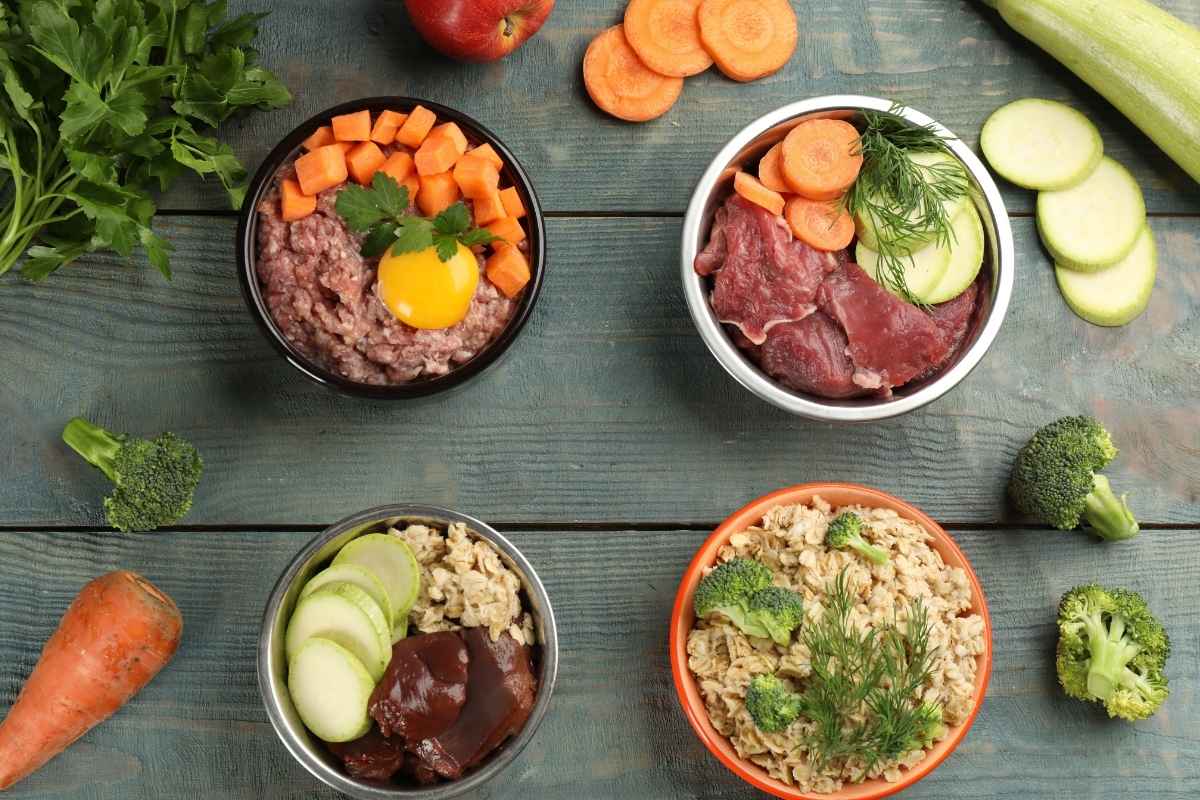
Choosing the right diet for a dog can feel overwhelming for many pet owners. With growing interest in raw feeding, fresh food subscriptions, and premium kibble formulas, dog owners are often left wondering which option truly supports long-term health. While each type of diet has potential advantages, the best choice depends on a dog’s age, activity level, medical history, and nutritional needs.
At Aspen Animal Wellness, veterinarians regularly help pet owners evaluate different dietary approaches and understand how nutrition affects a dog’s overall wellness. A balanced diet can influence energy levels, digestion, skin health, weight management, and even chronic disease prevention.
For dog owners in Reno, environmental factors such as dry climate conditions, seasonal allergens, and active outdoor lifestyles may also affect dietary needs. Understanding the differences between raw diets, fresh food, and kibble can help owners make informed feeding decisions that support their dog’s health and quality of life.
Understanding Raw Diets for Dogs
Raw diets typically consist of uncooked meat, bones, organs, vegetables, and supplements intended to mimic ancestral canine eating habits.
Many pet owners choose raw feeding because they believe it offers a more natural and less processed approach to nutrition.
Potential Benefits of Raw Diets
Some dogs may experience:
- Improved coat appearance
- Increased moisture intake
- Smaller stool volume
- Greater ingredient control
- High protein content
Owners of dogs with food sensitivities sometimes use raw diets during elimination trials under veterinary supervision.
Potential Risks of Raw Diets
Despite the growing popularity of raw feeding, there are important considerations.
Raw food may contain harmful bacteria such as Salmonella or E. coli, which can affect both pets and humans. Nutritional imbalances may also occur if meals are not properly formulated.
Bones can create choking hazards or digestive injuries in some dogs. Puppies, senior dogs, and pets with weakened immune systems may face additional risks with improperly managed raw diets.
Understanding Fresh Dog Food
Fresh diets are typically made with lightly cooked or gently prepared whole-food ingredients. Many fresh food companies offer customized meal plans based on a dog’s age, breed, weight, and activity level.
These diets are often refrigerated or frozen to maintain freshness.
Potential Benefits of Fresh Food
Fresh diets may provide:
- High-quality protein sources
- Increased moisture content
- Fewer preservatives
- Appealing flavor and texture
- Portion customization
Some owners notice improvements in digestion, appetite, or coat condition after transitioning to fresh food.
Potential Drawbacks of Fresh Food
Fresh diets can be more expensive than kibble and may require refrigeration, careful storage, and meal preparation.
Not all commercial fresh food products are nutritionally balanced, so veterinary guidance remains important when selecting a brand or meal plan.
Understanding Kibble Diets
Kibble remains one of the most common feeding options due to its convenience, affordability, and wide availability.
High-quality kibble formulas are designed to provide complete and balanced nutrition for dogs at different life stages.
Potential Benefits of Kibble
Premium kibble may offer:
- Consistent nutrient balance
- Easy portion control
- Long shelf life
- Convenience for busy households
- Veterinary therapeutic formulas
Prescription kibble diets are also available for dogs with medical conditions such as kidney disease, obesity, or food allergies.
Potential Drawbacks of Kibble
Some lower-quality kibble products may contain excessive fillers, lower-grade ingredients, or artificial additives.
Additionally, dry food contains less moisture than fresh or raw diets, which may not be ideal for every dog.
Which Diet Is Best for Your Dog?
There is no universal “best” diet for every dog. Nutritional needs vary depending on:
- Age
- Breed
- Activity level
- Weight
- Medical conditions
- Food sensitivities
- Lifestyle
Some dogs thrive on premium kibble, while others may do better with fresh or carefully supervised raw feeding plans.
Veterinary guidance is especially important when dogs have chronic digestive issues, allergies, obesity, or skin conditions.
How Nutrition Affects Skin and Coat Health
Diet can directly influence skin condition, coat quality, and inflammation levels in dogs. Essential fatty acids, proteins, vitamins, and minerals all contribute to healthy skin function.
In some cases, dogs with chronic itching or recurring ear infections may benefit from nutritional adjustments and professional pet dermatology evaluations to identify food sensitivities or environmental triggers.
Veterinary pet dermatology care may help determine whether symptoms are linked to allergies, infections, or underlying immune-related conditions rather than diet alone.
Tips for Transitioning to a New Dog Food
Sudden dietary changes can upset a dog’s digestive system. Most veterinarians recommend transitioning gradually over 7–10 days.
Helpful transition tips include:
- Mixing increasing amounts of the new food with the current food
- Monitoring stool consistency
- Watching for vomiting or appetite changes
- Avoiding multiple diet changes at once
- Consulting a veterinarian before major dietary shifts
Consistency and balanced nutrition are more important than following diet trends alone.
Raw, fresh, and kibble diets each offer potential advantages and limitations. The most important factor is choosing a nutritionally balanced diet that fits a dog’s specific health needs and lifestyle. Veterinary guidance can help pet owners make informed choices while avoiding nutritional deficiencies or unnecessary risks.
If you’re in Reno and need guidance from a vet near you about choosing the right diet for your dog, schedule your appointment with Aspen Animal Wellness. Their team can help evaluate your dog’s nutritional needs and recommend a personalized feeding plan that supports long-term health and wellness.
Frequently Asked Questions
Q1. Is raw food healthier than kibble for dogs?
Ans. Not necessarily. Some dogs do well on raw diets, while others thrive on balanced kibble or fresh food plans.
Q2. Can fresh dog food improve digestion?
Ans. Some dogs may experience improved digestion or appetite with fresh diets, especially when ingredients are carefully selected.
Q3. Are grain-free diets better for dogs?
Ans. Grain-free diets are not automatically healthier and may not be necessary unless recommended by a veterinarian.
Q4. How do I know if my dog has a food sensitivity?
Ans. Symptoms may include itching, ear infections, digestive upset, or chronic skin irritation. Veterinary evaluation is important for proper diagnosis.
Q5. Can dogs safely switch between diet types?
Ans. Yes, but transitions should happen gradually to reduce digestive upset.
Q6. Should senior dogs eat a different type of food?
Ans. Many senior dogs benefit from diets tailored to aging-related nutritional needs and medical conditions.