7025 Longley Lane, Suite 40, Reno, NV 89511



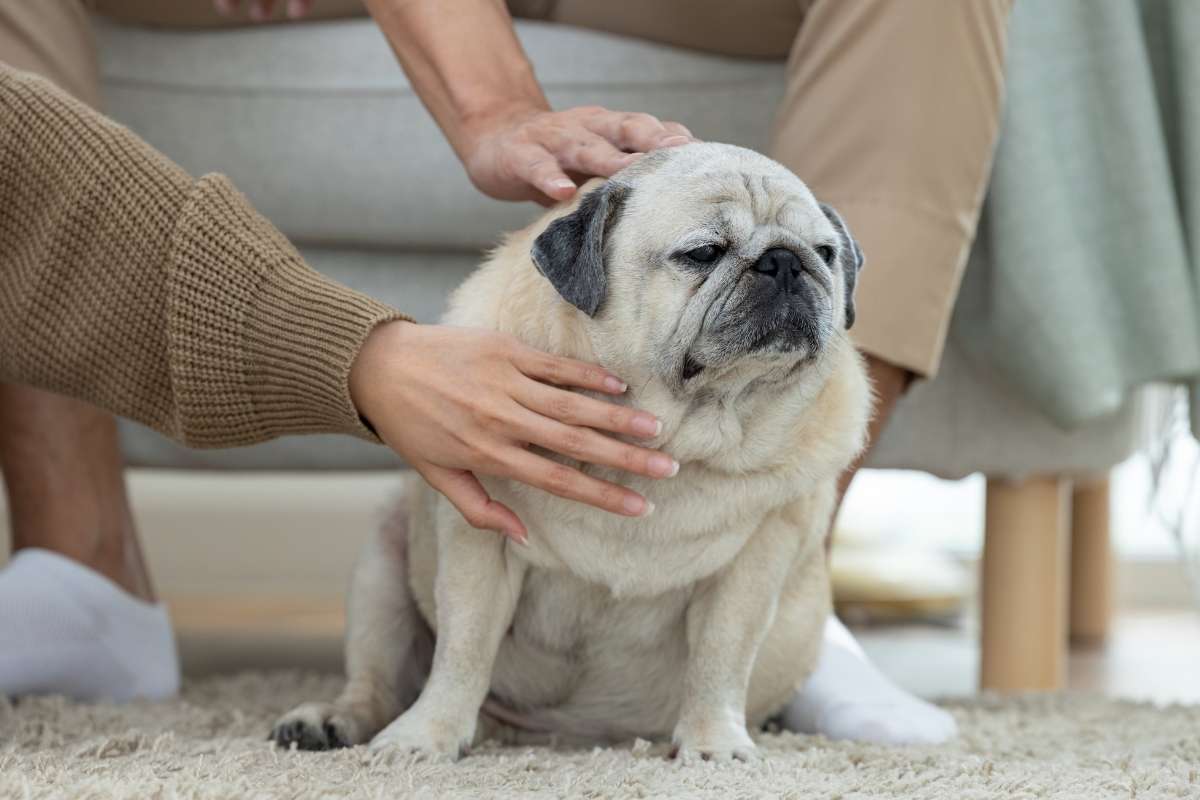
As pet owners, we show love in countless ways: a cozy cuddle, a fun game of fetch, and of course, tasty treats. However, sometimes our good intentions can lead to a few extra pounds on our furry friends. That “little bit extra” can quickly become a serious health concern, impacting their comfort, mobility, and overall happiness. Pet obesity is one of the most common and preventable diseases seen in veterinary clinics today.
Understanding your pet’s ideal weight isn’t about chasing a number on a scale; it’s about ensuring they live the longest, most vibrant life possible. This guide will empower you to assess your pet’s condition, understand the risks of excess weight, and take actionable steps toward a healthier future for them.
What is Pet Obesity and Why Does It Matter?
Pet obesity is generally defined as a pet being 20% or more above their ideal body weight. While a chubby cat or dog might look cute, the extra fat puts significant strain on their entire body. In fact, it can be a gateway to numerous health problems.
Consequently, maintaining a healthy weight is one of the most critical aspects of responsible pet ownership. An overweight pet is at a much higher risk for developing serious conditions, such as:
- Type 2 diabetes
- Heart and respiratory disease
- Osteoarthritis and joint damage
- High blood pressure
- Many forms of cancer
- Decreased life expectancy (by up to 2.5 years)
The Numbers Don’t Lie: Moving Beyond the Scale
You might think you can just look up a standard weight for your pet’s breed, but this can be misleading. Just like humans, pets have different frames and builds. A lean, athletic Labrador will have a different ideal weight than a stocky, large-boned one.
Therefore, veterinarians prefer a hands-on approach called the Body Condition Score (BCS). The BCS is a more accurate way to assess your pet’s body fat and determine if they are at a healthy weight, regardless of what the scale says.
How to Use the Body Condition Score (BCS)
The Body Condition Score is typically a 9-point scale where a score of 4 or 5 is considered ideal. A score of 1 is too thin, and a 9 is obese. You can perform a simple BCS check at home by focusing on three key areas.
1. The Rib Check: Gently run your hands along your pet’s side. You should be able to feel their ribs easily under a thin layer of fat, similar to feeling the back of your hand. If you have to press hard to find them, your pet likely has excess fat.
2. The Waist Check: Look at your pet from above while they are standing. You should see a clear, hourglass-shaped waist between their ribs and hips. If their body is oval or straight, it’s a sign they are overweight.
3. The Tummy Tuck: View your pet from the side. Their abdomen should slope upward from the end of their rib cage to their hind legs. A belly that hangs low or runs parallel to the floor indicates excess abdominal fat.
Common Causes of Weight Gain in Pets
Weight gain rarely happens overnight. It’s often a slow creep caused by a few common factors. Understanding these can help you prevent or reverse the trend.
- Overfeeding: This is the number one cause. “Eyeballing” food portions and free-feeding (leaving food out all day) almost always lead to overconsumption.
- Too Many Treats: Those little rewards add up quickly. Many commercial treats are high in calories and can easily disrupt a balanced diet.
- Lack of Exercise: A sedentary lifestyle means fewer calories burned. Our modern, busy schedules can sometimes lead to shorter walks and less playtime.
- Age & Neutering: A pet’s metabolism naturally slows down as they age. Similarly, spaying or neutering can decrease energy requirements, making them more prone to weight gain if their diet isn’t adjusted.
Actionable Steps to Help Your Pet Reach a Healthy Weight
Helping your pet slim down is a journey that requires patience and consistency. The goal is gradual, safe weight loss.
Master Portion Control
Ditch the “scoop and fill” method. Use a proper measuring cup to ensure you’re feeding the exact amount recommended for your pet’s target weight, not their current one. Furthermore, splitting their daily food allowance into two or three smaller meals can help boost metabolism and manage hunger.
Rethink Their Treat Strategy
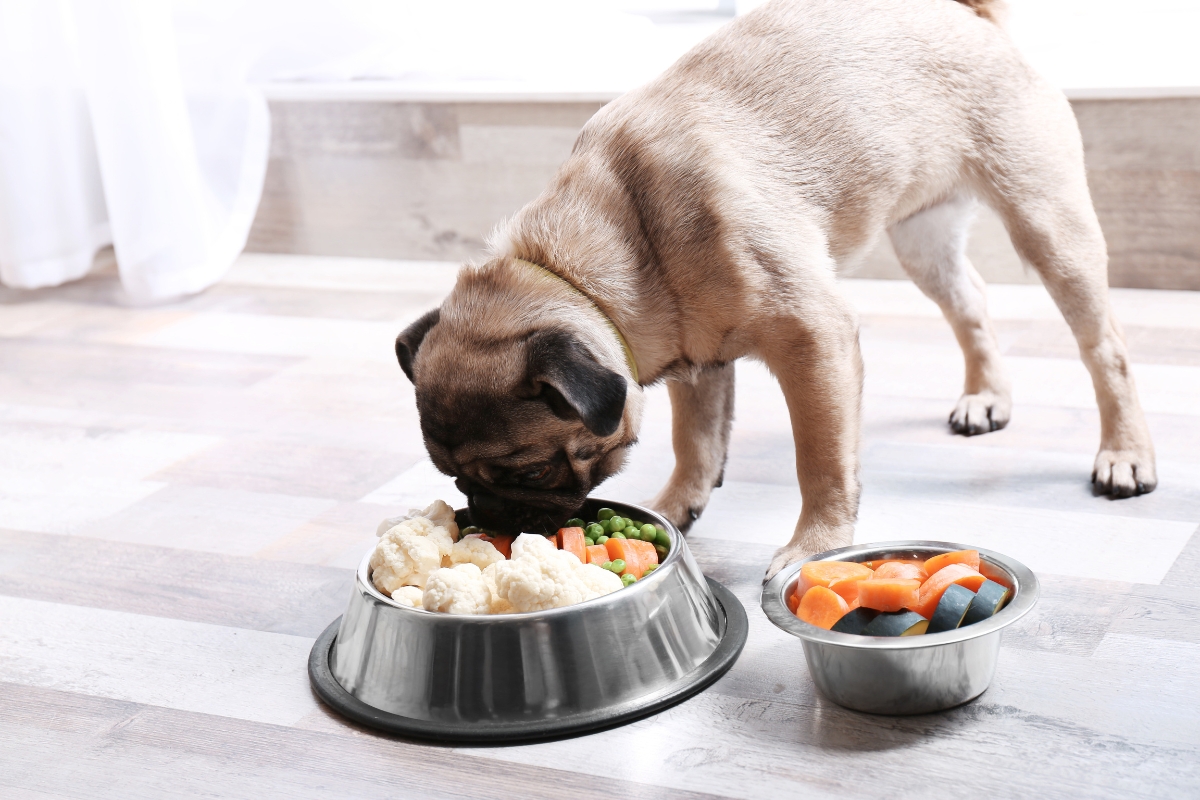
Treats should make up no more than 10% of your pet’s total daily calorie intake. Instead of high-calorie biscuits, consider offering healthy alternatives like baby carrots, green beans, or small pieces of cooked chicken. You can also use a portion of their daily kibble as treats.
Boost Their Activity Level
Increasing physical activity is crucial. For dogs, this could mean adding 15 minutes to your daily walk, playing fetch, or visiting a dog park. For cats, engage them with laser pointers, feather wands, or food puzzle toys that make them work for their meal.
Ultimately, the best first step is a professional consultation. Seeking guidance from experts in Pet Nutrition in Reno, NV, can help you get a tailored weight loss plan that is safe and effective for your specific pet.
Your Partner in Their Health Journey
Helping your pet shed excess weight is one of the most loving things you can do for them. It’s a commitment that pays off with more years of playful energy, comfortable mobility, and happy companionship. Remember, you don’t have to do it alone.
Your primary takeaway should be to schedule a weight consultation with your veterinarian. They can help you accurately determine your pet’s ideal weight, rule out any medical causes, and design a safe and effective plan tailored just for them.
Frequently Asked Questions:
Q1: How quickly should my pet lose weight?
Ans: Safe weight loss is slow and steady. For dogs, aim for a loss of 1–3% of their body weight per month. For cats, a rate of about 0.5–2% per month is ideal to prevent a serious liver condition called hepatic lipidosis.
Q2: Can I just feed my pet less of their current food?
Ans: While reducing portion size is a start, it can lead to nutritional deficiencies. It’s better to switch to a high-quality weight management food, which is lower in calories but still provides all the essential vitamins and nutrients your pet needs.
Q3: Are “diet” or “weight management” pet foods actually effective?
Ans: Yes, when used correctly. These foods are specially formulated with higher protein and fiber to help pets feel full while consuming fewer calories. Always choose a formula from a reputable brand and follow the feeding guidelines.
Q4: What’s the difference between a Body Condition Score and a breed weight chart?
Ans: A breed weight chart provides a very general weight range, which doesn’t account for individual differences in frame size or muscle mass. A Body Condition Score (BCS) is a hands-on, personalized assessment of your pet’s fat levels, making it a much more accurate indicator of a healthy weight.
Q5: My cat is an indoor cat. How can I help them lose weight?
Ans: Increasing activity for an indoor cat is key. Use vertical spaces like cat trees to encourage climbing, engage them in 10-15 minute play sessions with interactive toys daily, and use puzzle feeders to make mealtime more active.
Q6: Can certain medical conditions make my pet gain weight?
Ans: Absolutely. Conditions like hypothyroidism (an underactive thyroid gland) or Cushing’s disease can cause weight gain in dogs. If your pet is gaining weight despite a controlled diet and exercise, a veterinary check-up is essential to rule out underlying issues.