

Vaccines have protected dogs from life-threatening diseases for decades. However, many pet owners still feel confused or even worried about them. Online forums, social media posts, and outdated advice often spread misinformation. As a result, some owners delay or avoid necessary protection for their pets.
Understanding the truth is essential. Vaccines are not just routine clinic visits; they are preventive medicine that saves lives. When dogs skip protection, diseases like parvovirus, distemper, and rabies can spread quickly and become fatal.
In this guide, veterinarians from Aspen Animal Wellness explain the most common myths about dog vaccines and what science actually proves. This information is especially helpful for dog owners caring for pets in Reno, NV.
Why Vaccines Matter
Vaccines train your dog’s immune system to recognize and fight harmful organisms before illness begins. Instead of waiting for an infection, the body builds antibodies ahead of time. Therefore, if exposure occurs, your dog can defend itself quickly.
Without protection, puppies and senior dogs face the greatest danger because their immune systems are weaker. Preventive care, including regular checkups and appropriate pet vaccinations, dramatically reduces emergency treatment, hospitalization, and long-term complications.
Myth #1: “My Dog Stays Indoors, So Vaccines Aren’t Necessary”
This is one of the most common myths about dog vaccines. Many owners believe indoor pets never encounter disease. Unfortunately, viruses do not respect doors or fences.
For example:
- Parvovirus can live on shoes, clothing, and sidewalks.
- Rabies spreads through wildlife such as bats or raccoons.
- Bacteria can travel through shared airspaces or apartment buildings.
Therefore, even indoor dogs remain at risk. Veterinary professionals strongly recommend routine protection regardless of lifestyle.
Myth #2: “Vaccines Cause the Diseases They Prevent”
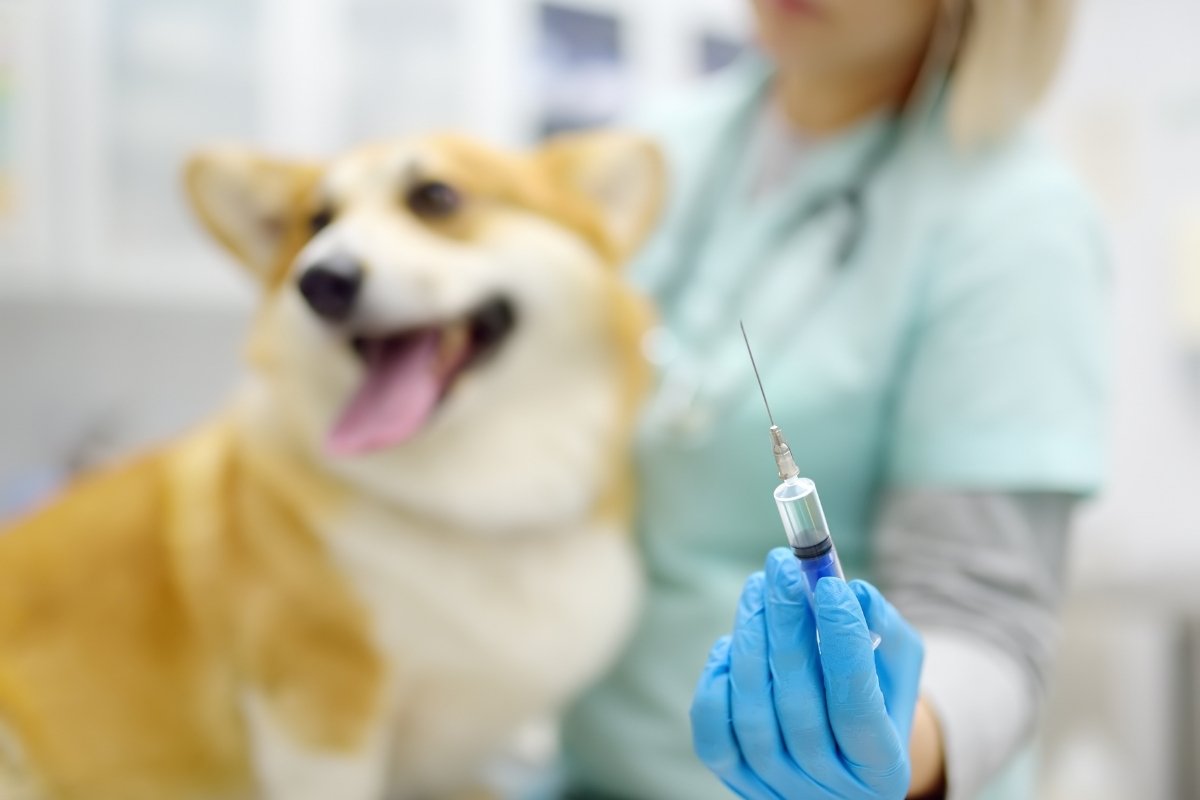
Vaccines do not give dogs the actual disease. Instead, they contain either a killed organism or a weakened version that cannot cause infection. The immune system simply learns how to recognize the threat.
After vaccination, a dog may feel slightly tired for a day. This reaction is normal because the immune system is working. However, serious reactions are rare, and veterinarians carefully monitor them.
Consequently, the benefits greatly outweigh the risks.
Myth #3: “Puppies Only Need One Shot”
Many people assume a single visit protects a puppy for life. In reality, puppies need a series of vaccines because their immune systems are still developing.
At birth, puppies receive antibodies from their mother’s milk. While helpful, those antibodies interfere with vaccines. Therefore, veterinarians administer boosters every few weeks until the immune system can respond properly.
Skipping boosters leaves a dangerous protection gap.
Myth #4: “Natural Immunity Is Better Than Vaccination”
Some pet owners believe infection builds stronger immunity. While technically true, the risk is extremely high. For instance:
- Parvovirus has a very high mortality rate
- Distemper often causes permanent neurological damage
- Rabies is almost always fatal
No veterinarian recommends allowing a dog to become sick intentionally. Protection through vaccines prevents suffering while still creating immunity. This directly contradicts several persistent myths about dog vaccines.
Myth #5: “Older Dogs Don’t Need Vaccines”
Aging pets actually become more vulnerable to disease. As the immune system weakens, infections spread faster, and recovery takes longer.
Additionally, rabies vaccination is legally required in many areas. Even senior dogs must stay protected for safety and public health.
Your veterinarian may adjust the schedule, but protection should never stop completely.
Myth #6: “Vaccines Are Unsafe”
Vaccines undergo extensive testing before approval. Veterinary professionals also evaluate each pet’s health before administering it. If a dog has allergies or a chronic illness, the veterinarian adjusts the protocol.
Severe reactions occur in a very small percentage of pets. Meanwhile, untreated infectious disease poses a far greater danger.
In fact, the dramatic decrease in distemper and rabies over the last few decades directly resulted from routine pet vaccinations.
Core Vaccines vs. Lifestyle Vaccines
Veterinarians separate vaccines into two categories.
Core Vaccines (Recommended for All Dogs)
- Rabies
- Distemper
- Parvovirus
- Adenovirus (hepatitis)
These protect against deadly, highly contagious diseases.
Lifestyle (Non-Core) Vaccines
These depend on your dog’s activities:
- Bordetella (kennel cough)
- Leptospirosis
- Lyme disease
- Canine influenza
Your veterinarian creates a plan based on exposure risk, travel, and environment.
Possible Mild Side Effects
Most dogs feel normal after vaccination. Occasionally, you may see:
- Mild sleepiness
- Small swelling at the injection site
- Reduced appetite for 24 hours
However, call your veterinarian immediately if you notice:
- Facial swelling
- Difficulty breathing
- Repeated vomiting
These reactions are uncommon but require prompt care.
How to Prepare for a Vaccine Visit
You can help your dog have a positive experience.
- Bring previous medical records
- Avoid strenuous exercise beforehand
- Offer calm reassurance
- Monitor your dog for 24 hours after the visit
These simple steps reduce stress and improve recovery.
Misinformation spreads quickly, but veterinary science provides clear answers. The truth is simple: vaccines save lives. By understanding the facts and rejecting myths about dog vaccines, you protect not only your own dog but also other pets in the community.
If you are a pet owner in Reno, NV, and looking for a veterinarian near you, book an appointment with Aspen Animal Wellness today. Their experienced veterinary team will create a safe, personalized protection plan to keep your dog healthy and thriving for years to come.
FAQs
Q1. How often do dogs need vaccines?
Ans. Puppies receive boosters every 3–4 weeks initially, while adult dogs typically follow yearly or three-year schedules.
Q2. Are rabies vaccines required?
Ans. Yes. Rabies vaccination is required by law in most regions.
Q3. Can a sick dog be vaccinated?
Ans. No. Veterinarians first treat illness before vaccinating.
Q4. Do vaccines hurt dogs?
Ans. The needle causes only brief discomfort, similar to a quick pinch.
Q5. What happens if I miss a booster?
Ans. Your veterinarian may restart or adjust the schedule to restore protection.
Q6. Are small breeds more sensitive?
Ans. Not necessarily. Reaction risk depends on individual health, not size.