7025 Longley Lane, Suite 40, Reno, NV 89511



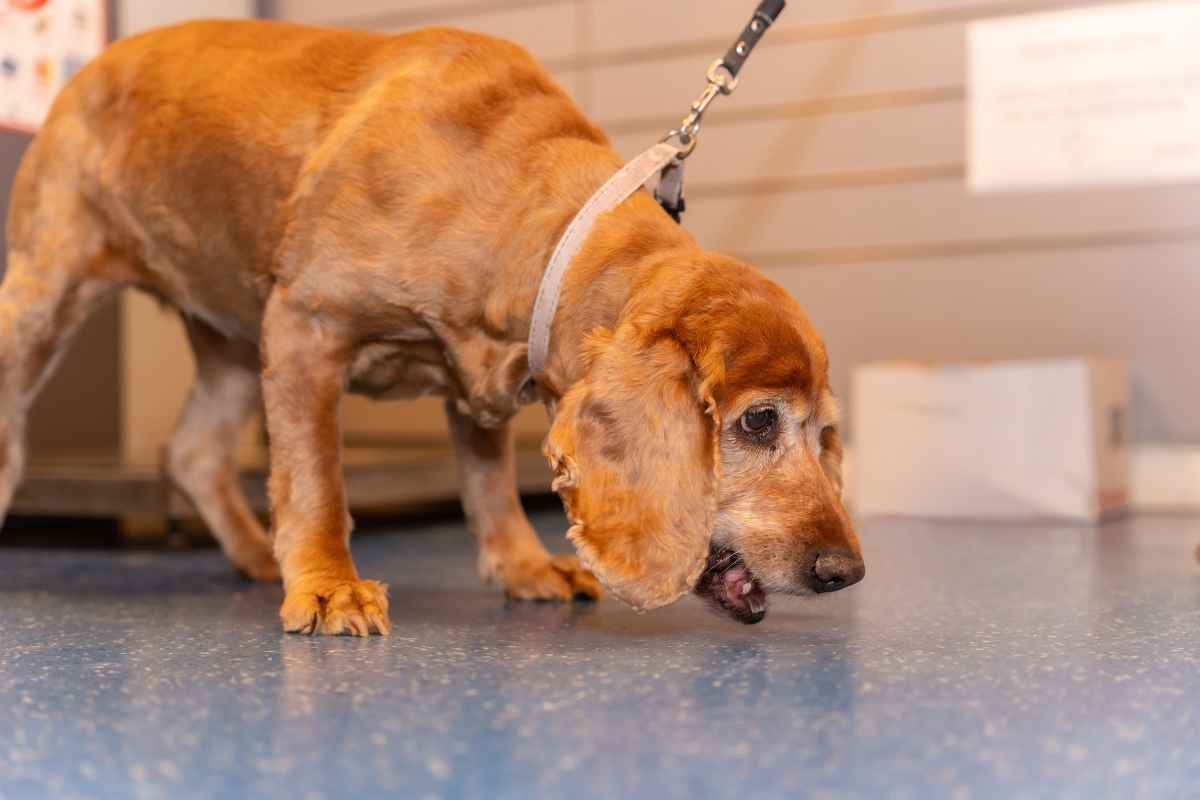
It can be stressful when your dog suddenly becomes ill. One moment, they’re healthy, and the next, you’re watching them vomit, unsure whether it’s something minor or severe. Knowing when to seek veterinary help can protect your pet’s well-being and give you peace of mind.
What Could Your Dog’s Vomiting Really Mean?
Seeing your dog vomit can be a sign of simple dietary issues or more serious health problems. While many owners think it’s just something their dog ate, that’s not always the case. Dogs may vomit due to infections, toxins, dehydration, blockages in the stomach or intestines, or ongoing health conditions.
Waiting too long to seek veterinary help can be risky, especially if vomiting happens frequently or becomes severe. Understanding the underlying cause of your dog’s vomiting enables you to respond effectively rather than guessing what’s wrong.
How to Maximize Your Response and Keep Your Dog Safe?
Start With Observation
Observe what happens before and after your dog vomits. Check if they’ve eaten something unusual. Details such as whether the vomit is yellow, foamy, or contains foreign material can help you decide whether to keep a close eye on them or seek veterinary advice.
Introduce Fasting Safely
Allow your dog’s stomach to rest with a brief fasting period. Once they are ready, introduce small amounts of gentle, plain foods such as boiled chicken and rice. If vomiting persists after refeeding, consult a veterinarian immediately.
Know When Symptoms Are Serious
Repeated episodes of dog vomiting, lethargy, dehydration, or diarrhea are warning signs. Early action helps prevent complications and minimizes stress for you and your dog.
Use Realistic Scenarios to Plan Ahead
If you find a chewed piece of plastic near your dog after they vomit or notice your dog vomiting repeatedly overnight, acting promptly can help protect your dog and avoid expensive emergencies.
Hidden Consequences of Waiting Too Long
If you notice your dog vomiting and have been ignoring it, it can lead to dehydration, which may make a minor issue like stomach irritation develop into more severe problems, such as organ issues, electrolyte imbalances, or blockages that need urgent care.
Unexpected financial costs can also arise when a simple visit becomes a more complex procedure if early warning signs are missed. Waiting too long can cause emotional stress, making you feel helpless or guilty during your pet’s discomfort.
Steps to Prevent Negative Outcomes
Planning helps determine proactive steps to reduce risk and ensure your dog receives care before situations escalate, avoiding rushing when symptoms appear.
- Keep a record of episodes by noting when and how often vomiting happens.
- Remove access to trash, toxic plants, and unsafe household items.
- Keep your dog’s diet consistent and avoid sudden changes.
- Use slow-feeder bowls for dogs who eat too quickly.
- Develop an emergency plan to avoid rushing during late-night symptoms.
Your Dog’s Health Depends on Timely Action
Noticing your dog vomiting may seem like a minor issue, but recognizing the signs early and responding promptly is essential for your dog’s safety. Whether the symptoms go away quickly or last longer, you can make a difference based on how you react. Seek help from vets in Reno, NV if your dog’s condition worsens or vomiting persists, to protect their health.
FAQs
Q1. Why does my dog vomit shortly after eating, even when their diet hasn’t changed?
Ans. Dogs that eat quickly or swallow air can belch, which can indicate mild stomach irritation. Monitoring meals and giving smaller portions helps, but repeated episodes need evaluation for digestive issues.
Q2. Can stress cause sudden vomiting in dogs?
Ans. Yes, sensitive dogs may experience stomach upset triggered by anxiety, routine changes, or loud environments. Stress-induced vomiting generally resolves when the dog calms down, but a veterinarian should evaluate ongoing symptoms to rule out severe conditions.
Q3. How do I tell the difference between vomiting and regurgitation?
Ans. Vomiting involves abdominal effort and often includes partially digested food or bile. Regurgitation is a passive process that occurs without stomach contractions. Recognizing the difference helps identify the correct cause and speeds up diagnostic accuracy for your dog.
Q4. Why does my dog vomit yellow foam in the morning?
Ans. Yellow foam often shows bile accumulation due to an empty stomach. Feeding smaller, more frequent meals might help. If vomiting persists despite these changes, it could indicate digestive problems that need professional evaluation.
Q5. How does dehydration develop from vomiting?
Ans. Fluid loss occurs with each episode, and dogs can dehydrate rapidly, especially small breeds. Signs include dry gums and low energy.