7025 Longley Lane, Suite 40, Reno, NV 89511



When a pet needs surgery, many owners naturally wonder how quickly their companion will recover. Although every animal responds differently, several factors can influence the surgical process and recovery period. A pet’s age, breed, size, overall health, and individual temperament can all affect how the veterinary team prepares for surgery and manages recovery afterward.
Veterinary surgery has become increasingly advanced, allowing pets to receive procedures that can improve comfort, mobility, quality of life, and overall health. However, surgery is not identical for every patient. A young puppy and a senior dog may require different anesthetic considerations, while a small cat and a large-breed dog may have different medication, positioning, monitoring, and rehabilitation needs.
Breed characteristics can also influence surgical planning. Certain breeds have anatomical features or inherited health tendencies that may require additional precautions. Likewise, body size can affect medication calculations, temperature regulation, mobility, and the practical aspects of postoperative care.
For pet owners researching pet surgery Reno, understanding how these factors influence treatment can make the process less intimidating. Knowing what to expect can also help owners prepare their homes, follow postoperative instructions, and recognize potential warning signs during recovery.
Why Do Age, Breed, and Size Matter During Pet Surgery?
Veterinary professionals evaluate each patient individually before recommending surgery. A procedure that is relatively straightforward for one pet may require additional planning for another.
Age, breed, and size can affect several parts of the surgical process, including:
- Anesthesia planning
- Medication selection and dosage
- Temperature regulation
- Surgical positioning
- Recovery from anesthesia
- Pain management
- Mobility after surgery
- Nutritional needs
- Wound healing
- Rehabilitation requirements
These factors do not automatically determine whether a pet can safely undergo surgery. Instead, they help the veterinary team identify potential risks and create an appropriate treatment and recovery plan.
How Age Can Affect Pet Surgery
Puppies and Kittens
Young pets are still developing physically. Puppies and kittens may have different metabolic, nutritional, and temperature-regulation needs compared with adult animals.
Because young pets can lose body heat more quickly, veterinary teams take temperature management seriously during anesthesia and recovery. Their immature bodies may also process medications differently.
Nutrition is another important consideration. Growing animals need adequate calories and nutrients to support normal development as well as tissue repair.
Fortunately, age alone does not mean a young pet cannot undergo surgery. Veterinary teams use patient-specific assessments to determine the safest approach.
Adult Pets
Healthy adult pets often tolerate many surgical procedures well. However, an adult animal’s overall health remains more important than age alone.
A healthy adult dog may recover differently from an overweight dog of the same age. Similarly, an adult cat with an underlying medical condition may require additional testing or monitoring.
Before surgery, veterinarians may recommend bloodwork, imaging, or other diagnostic tests depending on the procedure and the patient’s medical history.
Senior Pets
Senior pets may require additional consideration before, during, and after surgery. Aging can increase the likelihood of underlying conditions involving the heart, kidneys, liver, joints, or other body systems.
However, being a senior does not automatically make surgery unsafe.
Instead, veterinarians evaluate the animal’s current health and determine whether additional testing or monitoring is appropriate. Preoperative bloodwork and other diagnostics can help identify concerns that may influence anesthesia or recovery.
Senior pets may also require a longer recovery period. Reduced muscle mass, arthritis, slower mobility, and other age-related changes can make postoperative movement more challenging.
Therefore, owners may need to create a comfortable recovery area that limits unnecessary stairs, jumping, or slippery surfaces.
How Breed Can Affect Surgery and Recovery
Breed can influence surgical planning because certain breeds have characteristic anatomy or inherited health risks.
Brachycephalic Breeds
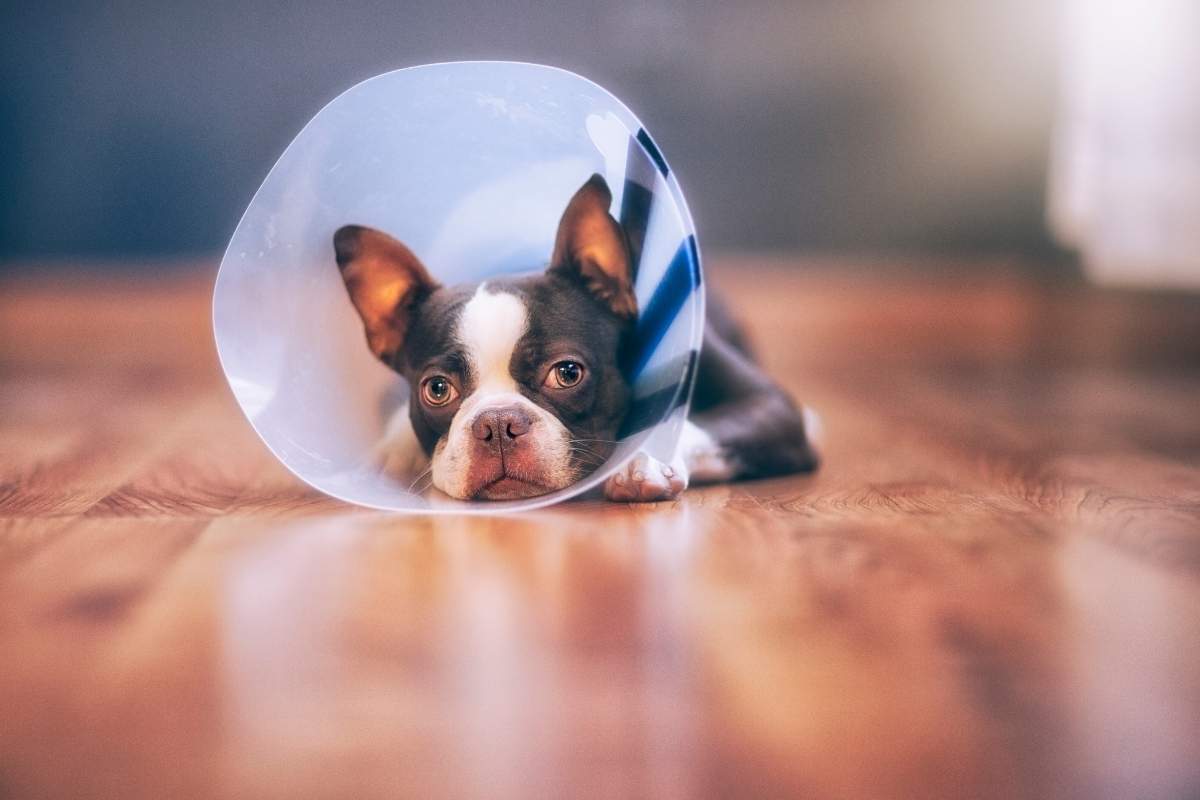
Dogs and cats with short, broad skulls, such as Bulldogs, Pugs, Boston Terriers, and Persian cats, may have airway characteristics that require additional anesthetic precautions.
Veterinary teams may pay particular attention to airway management and recovery because these patients can have increased respiratory concerns.
Careful monitoring during recovery is especially important because the period immediately after anesthesia can require close observation.
Large and Giant Breeds
Large and giant breeds may have different surgical considerations compared with smaller pets.
Their body size can affect positioning, anesthesia management, mobility, and postoperative comfort. Large dogs may also place more stress on healing joints or surgical sites simply because they carry more body weight.
Owners may need to follow activity restrictions carefully after orthopedic procedures. Preventing excessive movement can help protect healing tissues.
Small and Toy Breeds
Small dogs can present different challenges. They may lose body heat quickly and can have smaller anatomical structures that require careful handling.
Medication dosing must be calculated accurately according to the patient’s weight and medical needs.
Owners should also remember that small dogs may be more vulnerable to accidental injury during recovery. Jumping from furniture or navigating stairs can put unnecessary stress on a healing surgical site.
Breed-Specific Health Concerns
Some breeds have higher predispositions to particular conditions. These tendencies can influence preoperative screening and postoperative planning.
For example, certain breeds may be more prone to orthopedic disorders, cardiac conditions, bleeding disorders, or other inherited concerns.
This is why veterinarians consider breed history alongside the individual pet’s medical history rather than relying on breed alone.
How Size Can Affect Surgery
Body size influences more than medication dosage.
Anesthesia and Medication
Veterinary medications are carefully calculated according to factors such as body weight, health status, age, and the specific drug being used.
Small differences in body weight can be important in very small patients. Similarly, larger pets may require different equipment, positioning strategies, and support during surgery.
Temperature Regulation
Small pets can lose body heat quickly during anesthesia. Larger patients may also require careful temperature management because anesthesia can interfere with normal thermoregulation.
Veterinary teams monitor body temperature and use appropriate warming or cooling strategies when necessary.
Positioning During Surgery
A patient’s physical size and body structure can influence how the veterinary team positions them.
Proper positioning helps provide surgical access while protecting muscles, nerves, joints, and other tissues.
Postoperative Mobility
Size can also affect how easily a pet moves after surgery.
A large dog recovering from orthopedic surgery may need assistance getting up or walking. A small dog may need a controlled environment that prevents jumping from furniture.
Owners should follow the veterinarian’s activity restrictions carefully, even if the pet appears energetic.
How Overall Health Influences Recovery
Age, breed, and size are important, but overall health can be equally significant.
A pet with a healthy body condition and no major underlying illness may have different recovery needs than a pet with diabetes, heart disease, kidney disease, obesity, or another chronic condition.
For this reason, veterinarians may recommend preoperative testing before certain procedures.
Bloodwork can provide information about organ function and other health factors that may influence anesthesia or medication choices.
If a health issue is identified, the veterinary team can determine whether it needs to be addressed before surgery or whether the surgical plan should be modified.
How Weight and Body Condition Affect Recovery
A pet’s body condition can influence healing and mobility.
Overweight pets may experience additional stress on joints and surgical sites. Excess body weight can also make movement more difficult after surgery.
On the other hand, underweight pets may have reduced nutritional reserves that could affect recovery.
Maintaining an appropriate body condition before surgery can therefore support overall health and mobility.
If your pet needs surgery, ask your veterinarian whether weight management or nutritional support should be part of the preparation process.
Pain Management Can Vary Between Pets
Every pet experiences pain differently.
Veterinary professionals consider the procedure, patient characteristics, medical history, and expected level of discomfort when developing a pain-management plan.
Pain control may involve medication, activity restriction, environmental changes, and other supportive measures.
Owners should never adjust medication doses without veterinary guidance. Giving human pain medication can also be dangerous because some medications that are safe for people can cause serious problems in pets.
Instead, follow the prescribed instructions carefully and contact the veterinary team if your pet appears uncomfortable.
What Can Pet Owners Do to Support Recovery?
Owners play an important role after surgery.
Create a Safe Recovery Space
Prepare a quiet, comfortable area where your pet can rest without excessive activity.
Keep food and water easily accessible when appropriate, and remove hazards that could cause slipping or jumping.
Follow Activity Restrictions
Your pet may feel better before the surgical site has fully healed. Therefore, apparent energy does not necessarily mean your pet is ready to resume normal activity.
Follow instructions regarding walking, running, jumping, stairs, and play.
Monitor the Surgical Site
Check the incision as directed. Watch for concerning changes such as excessive swelling, persistent bleeding, discharge, worsening redness, or separation of the incision.
Do not allow your pet to lick or chew the surgical site unless your veterinary team specifically advises otherwise.
Give Medications Exactly as Prescribed
Follow the prescribed schedule carefully. If your pet refuses medication or develops unusual symptoms after taking it, contact the veterinary team for guidance.
Keep Follow-Up Appointments
Follow-up examinations allow the veterinary team to assess healing and determine whether activity or treatment needs to change.
Even when your pet appears normal, follow-up care can help identify problems before they become more serious.
Warning Signs During Recovery
Contact your veterinary team if your pet develops concerning symptoms after surgery.
Potential warning signs can include:
- Difficulty breathing
- Severe or worsening pain
- Persistent vomiting
- Significant bleeding
- Increasing swelling
- Discharge from the incision
- Loss of appetite that does not improve
- Extreme weakness
- Collapse
- Sudden behavioral changes
- Problems urinating or defecating
- Damage to the surgical incision
The appropriate response depends on the procedure and the individual patient. When in doubt, contact your veterinary provider rather than waiting for symptoms to worsen.
When to Discuss Surgery With Your Veterinarian
A veterinary consultation is important before any planned surgical procedure. During the evaluation, your veterinarian can review your pet’s age, breed, size, medical history, medications, previous anesthesia experiences, and current health.
At Aspen Animal Wellness, the veterinary team can help pet owners understand the factors that may affect surgical preparation and recovery.
Discuss your concerns openly. Ask what testing may be needed, how long recovery may take, what restrictions your pet will have, and which signs should prompt a call to the veterinary team.
Final Thoughts
Age, breed, and size can all influence how a pet experiences surgery and recovery, but they are only part of the picture. Overall health, body condition, temperament, the type of procedure, and postoperative care also play important roles.
Young pets may need careful temperature and nutritional management. Senior pets may require additional health screening and support during recovery. Breed characteristics can influence anesthesia and surgical planning, while body size can affect medication calculations, positioning, temperature regulation, and mobility.
The most effective approach is individualized care. Rather than assuming that every pet will recover in the same way, veterinary professionals evaluate the patient’s specific needs and create a plan accordingly.
Pet owners can support recovery by preparing a safe environment, following medication and activity instructions, monitoring the surgical site, and attending recommended follow-up appointments.
If your pet needs a surgical procedure or you have questions about their expected recovery, contact us at Aspen Animal Wellness to discuss your pet’s individual needs with a veterinary professional.
Frequently Asked Questions
Q1. Does a pet’s age affect how quickly they recover from surgery?
Ans: Age can influence recovery. Young pets may have different metabolic and nutritional needs, while senior pets may have underlying health conditions or reduced mobility that can make recovery take longer. However, individual health is more important than age alone.
Q2. Are certain dog breeds at higher risk during anesthesia?
Ans: Some breeds have characteristics that require additional precautions. Brachycephalic dogs, for example, may have airway features that require careful anesthesia and recovery monitoring. Your veterinarian can assess breed-specific risks before surgery.
Q3. Does a pet’s size affect anesthesia?
Ans: Yes. Body weight and size help determine medication dosages and can influence temperature management, positioning, monitoring, and equipment requirements. Veterinary teams calculate medications according to the individual patient’s needs.
Q4. Do older pets need additional tests before surgery?
Ans: Some senior pets may benefit from additional bloodwork, imaging, or other diagnostic testing before anesthesia. The appropriate tests depend on the pet’s health, medical history, age, and planned procedure.
Q5. How can I help my pet recover safely after surgery?
Ans: Provide a comfortable recovery area, follow activity restrictions, administer medications exactly as prescribed, monitor the surgical site, prevent licking or chewing when instructed, and attend follow-up appointments.
Q6. When should I call a veterinarian after my pet’s surgery?
Ans: Contact your veterinary team if your pet experiences severe pain, difficulty breathing, persistent vomiting, significant bleeding, worsening swelling, abnormal incision discharge, extreme weakness, collapse, or other concerning changes.