7025 Longley Lane, Suite 40, Reno, NV 89511



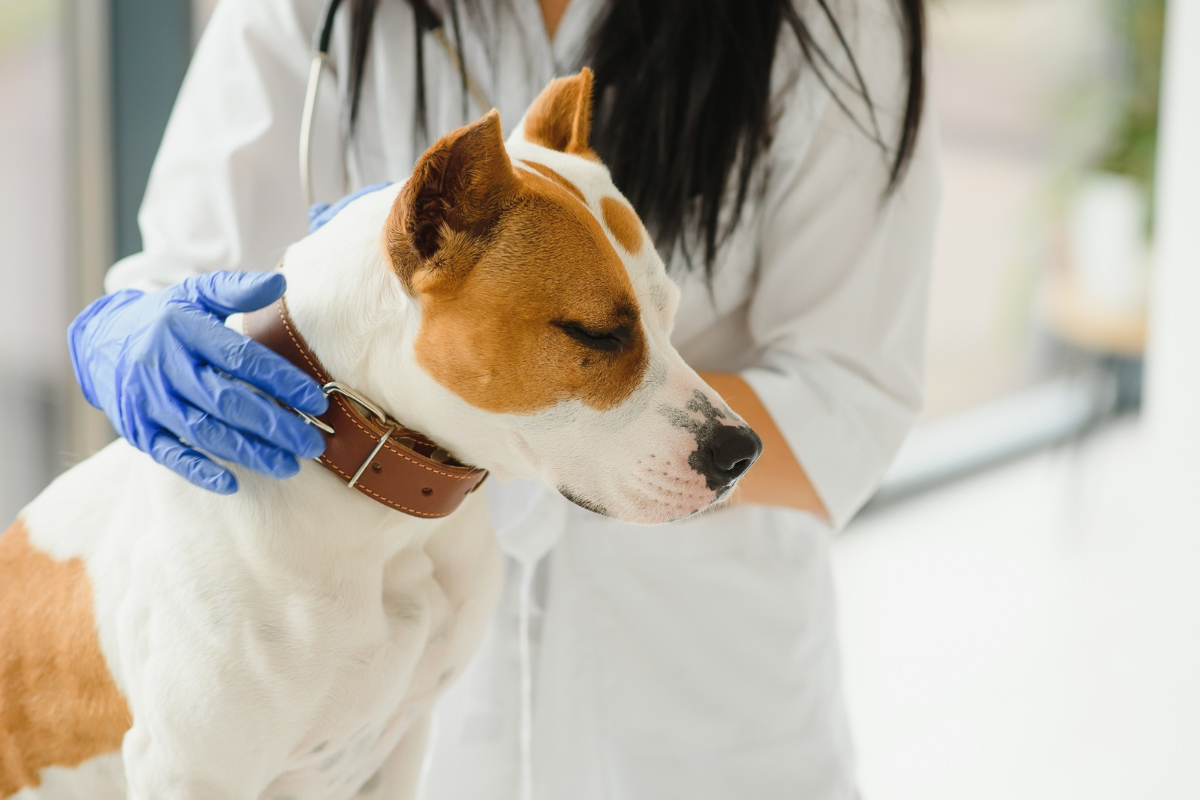
Dogs cannot always communicate when something feels wrong. Some health conditions develop gradually without noticeable symptoms, making routine diagnostic testing an important part of preventive veterinary care. Blood work helps veterinarians evaluate internal organ function, identify potential health concerns, and monitor changes that may not be visible during a physical examination.
At Aspen Animal Wellness, routine wellness evaluations and annual blood work help establish a health baseline for pets and support early detection of potential problems. Understanding how often your dog needs blood testing, what the results reveal, and when additional screening may be necessary can help you make informed decisions about their long-term health.
Why Is Routine Blood Work Important for Dogs?
Blood work provides valuable information about your dog’s overall health. Even when a dog appears energetic and maintains a healthy appetite, laboratory results may reveal early changes in organ function or other underlying concerns.
Routine testing can help veterinarians:
- Identify early signs of kidney or liver disease.
- Detect anemia, infections, and changes in blood cell counts.
- Evaluate blood glucose levels and identify possible diabetes.
- Monitor electrolyte levels and overall metabolic health.
- Establish baseline results for future comparisons.
- Assess how well a dog responds to ongoing medications or treatment.
These results help veterinarians make informed recommendations and determine whether additional testing or monitoring is necessary.
How Often Should Dogs Get Blood Work?
The ideal testing frequency depends on your dog’s age, medical history, lifestyle, and overall health. While every dog has different needs, the following guidelines provide a general starting point.
1. Puppies: As Recommended During Early Wellness Visits
Puppies may not require routine annual blood panels if they are healthy and have no concerning symptoms. However, a veterinarian may recommend blood testing when evaluating unexplained symptoms, suspected infections, nutritional concerns, or other medical conditions.
Early wellness visits also help establish a preventive health plan as puppies grow.
2. Adult Dogs: Once a Year
For healthy adult dogs, annual blood work is a useful preventive screening approach, often performed alongside a yearly wellness examination.
Testing may include a complete blood count (CBC) and a blood chemistry panel. These tests help evaluate red and white blood cells, platelets, glucose, proteins, electrolytes, and markers associated with kidney and liver function.
Annual results also provide a reference point for identifying changes during future examinations.
3. Senior Dogs: Every Six Months or as Recommended
As dogs age, their risk of developing chronic health conditions increases. Veterinarians often recommend wellness examinations and appropriate diagnostic screening every six months for senior dogs.
More frequent blood work may be necessary when monitoring kidney disease, diabetes, thyroid disorders, or other ongoing conditions.
Comparing results over time can help identify gradual changes and guide treatment adjustments.
4. Dogs With Existing Medical Conditions: Based on Their Health Needs
Dogs receiving long-term medication or managing chronic illnesses may require more frequent laboratory testing.
For example, dogs with kidney disease may need periodic kidney function assessments, while those taking certain medications may require blood tests to monitor potential side effects.
Your veterinarian will determine an appropriate testing schedule based on the condition and treatment plan.
What Does a Routine Dog Blood Test Include?
Two common components of canine blood work provide different but complementary information.
Complete Blood Count (CBC)
A CBC measures different types of blood cells, including:
- Red blood cells, which carry oxygen throughout the body.
- White blood cells, which help fight infections.
- Platelets, which support normal blood clotting.
Abnormal results may indicate anemia, inflammation, infection, or other health concerns that require further investigation.
Blood Chemistry Panel
A chemistry panel evaluates substances in the blood to assess internal organ function and metabolic health.
It commonly measures:
- Kidney-related markers, including BUN and creatinine.
- Liver-associated enzymes.
- Blood glucose levels.
- Electrolytes such as sodium and potassium.
- Proteins, including albumin and globulin.
Depending on your dog’s symptoms and medical history, additional testing, such as thyroid screening or urinalysis, may also be recommended.
Signs Your Dog May Need Blood Work Sooner
Do not wait for your dog’s next annual examination if you notice unusual changes in their health or behavior.
Contact your veterinarian if your dog experiences:
- Unexplained weight loss or weight gain.
- Increased thirst or frequent urination.
- Reduced appetite or persistent vomiting.
- Unusual tiredness or weakness.
- Changes in drinking or eating habits.
- Pale gums or recurring digestive problems.
These symptoms do not automatically indicate a serious illness, but they may warrant diagnostic testing to identify the underlying cause.
How Can You Prepare Your Dog for Blood Testing?
Most blood collection procedures are relatively quick and involve taking a small sample from a vein.
Before your appointment:
- Ask whether fasting is necessary. Some tests require your dog to avoid food for a specific period.
- Share your dog’s medication and supplement history.
- Bring previous laboratory reports if available.
- Inform the veterinary team about any recent symptoms or behavioral changes.
- Keep your dog calm and follow any preparation instructions provided by the clinic.
Not every blood test requires fasting, so always follow your veterinarian’s instructions.
Routine blood work is an important tool for monitoring your dog’s health, identifying potential medical concerns, and supporting early intervention. Following an appropriate testing schedule based on age, lifestyle, and medical history can help your dog maintain a healthier life. If you’re in Reno, NV, and looking for a vet near you to support your dog’s preventive health needs, schedule your appointment with Aspen Animal Wellness. Our team can help develop a personalized wellness and diagnostic screening plan for your companion.
FAQs:
Q1. Should healthy dogs get blood work every year?
Ans: Yes. Annual screening can help establish baseline values and identify early changes that may not produce visible symptoms. Your veterinarian can determine which tests are appropriate.
Q2. At what age should dogs start getting routine blood work?
Ans: There is no universal starting age. Testing may begin during puppyhood when medically indicated, while annual screening is commonly considered for healthy adult dogs.
Q3. Is blood work necessary before surgery?
Ans: Pre-anesthetic blood work may be recommended to evaluate organ function, blood cell counts, and other health indicators before anesthesia. The specific tests depend on the dog’s age and medical history.
Q4. How long does it take to get dog blood test results?
Ans: Some laboratory results are available the same day, while tests sent to external laboratories may take longer. Timing depends on the type of test and laboratory processing.
Q5. Can routine blood work detect kidney and liver disease in dogs?
Ans: Blood chemistry testing can identify abnormalities associated with kidney and liver function. Additional tests, including urinalysis or imaging, may be needed to confirm a diagnosis.
Q6. How does Aspen Animal Wellness help with routine blood testing?
Ans: The veterinary team incorporates annual blood work into preventive wellness recommendations and uses available laboratory testing and diagnostic services to investigate health concerns. Testing plans are tailored to each dog’s age, medical history, and individual needs.
Related Articles
Urgent Care Appointments and New Furry Faces Are Welcome!