


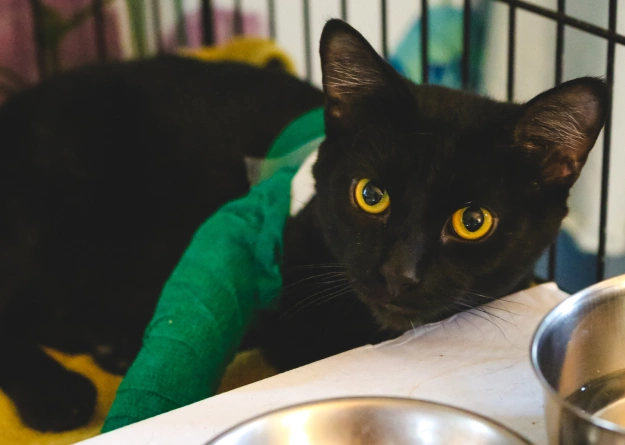

Advanced Surgery for Your Cat's Knee Health
When your cat suffers from a knee injury, especially a torn ligament, it can cause pain and limit their mobility. Cat TPLO (Tibial Plateau Leveling Osteotomy) surgery is an effective procedure to address these issues, particularly when dealing with cranial cruciate ligament (CCL) injuries. At Aspen Animal Wellness, we specialize in providing top-tier cat TPLO surgery in Reno for your cat’s knee surgery, ensuring they receive the best possible recovery plan.
What is TPLO Surgery for Cats?
TPLO surgery is primarily performed to treat injuries to the cranial cruciate ligament (CCL), which is crucial for knee stability. It involves repositioning the tibia (shin bone) to improve the joint’s biomechanics and relieve pain caused by ligament damage. It’s effective for improving mobility and quality of life in cats with knee injuries.
Reno’s unique climate, with dry air and fluctuating temperatures, can affect cats with joint injuries. Cold weather can worsen existing knee pain and may prolong recovery. By choosing Aspen Animal Wellness for your cat's Cat TPLO in Reno, you ensure your cat receives the specialized care they need to heal properly and comfortably.
Why Choose TPLO for Your Cat’s Knee Injury?
In cases of ligament tear or knee instability, TPLO surgery for cats is considered one of the most advanced options, offering a highly effective way to restore function and reduce pain. It allows your cat to regain mobility and return to their normal activity levels much more quickly than non-surgical treatments.
Benefits of Cat TPLO in Reno:
- Faster Recovery: TPLO promotes faster healing than traditional methods.
- Pain Relief: Correcting knee instability helps reduce pain associated with ligament damage.
- Improved Mobility: After surgery, most cats regain full use of their leg, allowing them to enjoy an active lifestyle once again.
Understanding the TPLO Procedure
The TPLO procedure involves making an incision in the knee to access the tibia. The tibia is then rotated to change the joint angle, helping stabilize the knee and compensate for the torn ligament. After the procedure, a metal plate is often used to hold the tibia in its new position while it heals.
While this surgery is more complex than simpler methods, it provides long-lasting results and significantly reduces the chances of reinjury. The recovery process requires careful post-operative care, but most cats recover well and return to their normal activities in due time.
Signs Your Cat Might Need TPLO Surgery
You may notice several symptoms that could indicate your cat requires TPLO surgery:
- Limping or lameness: Difficulty walking or limping on one leg.
- Reluctance to move: Your cat may avoid jumping, climbing stairs, or playing.
- Pain: Your cat may show signs of discomfort, such as crying when touched near the knee or favoring one leg.
- Swelling: Noticeable swelling in the knee area.
If you observe any of these signs, it’s important to have your cat examined by a vet to determine if TPLO surgery is necessary.
How to Prepare for Your Cat’s TPLO Surgery
Before surgery, it’s essential to prepare your cat. Here’s how you can prepare:
- Pre-Surgery Consultation: During your consultation, we’ll evaluate your cat’s overall health, review their medical history, and assess the severity of the knee injury. Then we’ll decide whether TPLO is the best course of action and explain the procedure in detail.
- Fasting Instructions: Your cat will need to fast for a specific time period (typically 12 hours) before surgery to reduce the risks associated with anesthesia. Water is generally allowed, but food should be withheld.
- Anesthesia Monitoring: Anesthesia is a critical part of the surgery. We use advanced monitoring equipment to ensure your cat’s safety throughout the procedure, closely watching their vital signs and adjusting anesthesia levels as needed.
Aftercare and Recovery
Post-surgery care is vital for ensuring a full recovery. Here’s what you can expect:
- Hospital Stay: After surgery, your cat may need to stay with us for observation and monitoring of their recovery. Depending on the surgery’s complexity, they may be discharged the same day or after a brief hospital stay.
- Pain Management: Pain relief will be administered immediately after surgery and continued for several days to ensure your cat stays comfortable. We’ll provide pain management instructions and prescriptions as needed.
- Activity Restrictions: Rest and limited activity are critical for a successful recovery. Your cat will need to refrain from jumping, running, or climbing for several weeks to allow the knee to heal.
- Follow-Up Appointments: You’ll need to bring your cat back for follow-up appointments to check on the surgical site and ensure proper healing. We’ll monitor their progress, remove any stitches if needed, and answer any questions about recovery.
Common Concerns About TPLO Surgery
While TPLO is a highly effective surgery, it does come with some concerns. Here are the most common questions pet owners ask:
- Is TPLO Surgery Right for My Cat?
TPLO surgery is ideal for cats with ligament injuries, particularly those who haven’t responded to other treatments. It’s essential to assess your cat’s overall health and the severity of the injury to determine if TPLO is the right solution.
- How Long Does Recovery Take?
Recovery typically takes 8-12 weeks, with full weight-bearing usually occurring within a few weeks after surgery. It’s important to follow our post-surgery instructions closely to promote the best outcome.
- Can TPLO Surgery Prevent Future Injuries?
While TPLO surgery for cats significantly improves stability in the knee joint, it’s important to note that your cat’s overall health and fitness still play a role in preventing future injuries. Regular vet checkups and a healthy lifestyle are essential.
Ensure a Healthy Recovery for Your Cat
TPLO surgery can greatly improve your cat’s mobility and quality of life after a knee injury. By choosing TPLO, you’re giving your cat the best chance for a healthy, active life without pain. Contact us today to schedule a consultation, learn more about TPLO surgery, and take the next step in restoring your cat’s health.
If your cat is suffering from a knee injury, don’t wait—contact us today to schedule a consultation for cat TPLO surgery in Reno. We’re here to help your cat regain mobility, comfort, and health through care and a successful recovery plan.