7025 Longley Lane, Suite 40, Reno, NV 89511



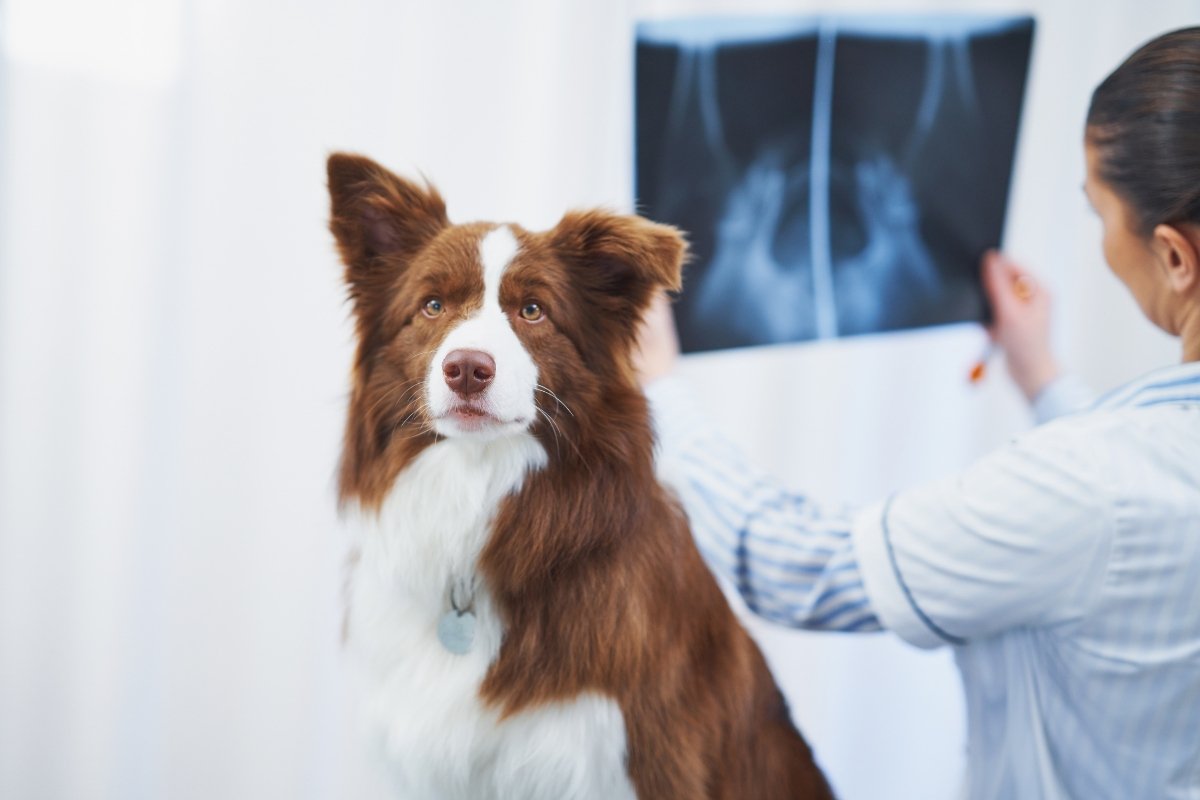
When pets feel sick or act differently, the cause is not always visible from the outside. A dog may limp without an obvious wound, or a cat may stop eating without showing clear symptoms. In these situations, veterinarians rely on advanced tools to look inside the body safely. One of the most important modern veterinary tools is diagnostic imaging.
Understanding how diagnostic imaging helps identify pet health problems allows pet owners to appreciate why veterinarians recommend certain tests and why early imaging can save a pet’s life. For families in Reno, NV, early detection often makes the difference between simple treatment and serious complications.
Diagnostic imaging gives veterinarians a non-invasive way to evaluate bones, organs, and soft tissues. Instead of guessing, they can see what is happening internally and treat the real problem.
What Is Diagnostic Imaging?
Diagnostic imaging refers to medical technology that creates pictures of the inside of your pet’s body. These images help veterinarians detect injuries, diseases, and abnormalities that physical exams alone cannot identify.
The most common imaging methods include:
- Digital X-rays (radiographs)
- Ultrasound
- Occasionally, advanced imaging referrals (CT or MRI)
Because animals cannot describe pain, imaging becomes a powerful communication tool between the pet’s body and the veterinarian.
Why Physical Exams Are Not Always Enough
A physical exam remains the first step in evaluating a sick pet. However, many conditions hide beneath the surface. For example:
- A dog may swallow a toy
- A cat may develop bladder stones
- Arthritis may exist deep inside joints
- Heart disease may begin silently
Even experienced veterinarians cannot diagnose these problems accurately without visual confirmation. Therefore, imaging provides clarity and direction for treatment.
Digital X-Rays: Seeing Bones and Internal Structures
X-rays are the most frequently used diagnostic imaging tool. They are fast, painless, and extremely informative.
What X-Rays Can Detect
Digital radiographs help veterinarians identify:
- Broken bones
- Joint damage
- Arthritis
- Tumors
- Swallowed objects
- Pneumonia
- Enlarged heart
- Intestinal blockages
For example, if your dog suddenly refuses food and vomits, an X-ray may reveal a sock lodged in the intestine. Without imaging, the condition could become life-threatening.
Additionally, digital X-rays expose pets to very low radiation levels, making them safe when medically necessary.
Ultrasound: Evaluating Soft Tissues and Organs
While X-rays show bones clearly, ultrasound allows veterinarians to evaluate soft tissues and moving organs.
An ultrasound uses sound waves instead of radiation. It creates real-time images of organs, allowing veterinarians to watch how they function.
Ultrasound Helps Examine:
- Liver
- Kidneys
- Bladder
- Spleen
- Pancreas
- Heart
- Pregnancy
For example, if a cat loses weight but eats normally, an ultrasound may reveal kidney disease or intestinal inflammation.
Because ultrasound shows organ movement, veterinarians can assess fluid buildup, tumors, or internal bleeding.
This is another excellent example of how diagnostic imaging helps identify pet health problems early.
Early Detection Improves Treatment Outcomes
Early diagnosis changes everything. When a condition is found early:
- Treatment becomes easier
- Recovery is faster
- Costs are often lower
- Pain is minimized
For instance, bladder stones caught early may only require dietary changes. However, untreated stones can block urination, becoming a medical emergency.
At a modern animal hospital, imaging helps veterinarians act quickly before a condition worsens.
Conditions Commonly Diagnosed with Imaging
Diagnostic imaging plays a role in many everyday veterinary cases:
Orthopedic Injuries
Limping pets often suffer from:
- ligament tears
- fractures
- joint inflammation
X-rays confirm the exact injury and guide treatment.
Gastrointestinal Problems
Imaging detects:
- foreign bodies
- gas buildup
- obstruction
- intestinal inflammation
Heart and Lung Disease
Radiographs show:
- enlarged heart
- fluid in lungs
- pneumonia
Urinary Issues
Ultrasound and X-rays find:
- bladder stones
- kidney disease
- urinary blockages
These examples clearly demonstrate how diagnostic imaging helps identify pet health problems in a wide range of conditions.
Is Diagnostic Imaging Safe for Pets?
Yes. Modern veterinary imaging is designed with safety in mind.
Veterinarians:
- Use minimal radiation exposure
- Apply protective shielding
- Sedate only when necessary
- Monitor pets closely
Most pets tolerate imaging very well. In fact, many X-rays take only a few minutes.
When Your Veterinarian May Recommend Imaging
Your veterinarian may suggest imaging if your pet shows:
- Persistent vomiting
- Limping
- Difficulty breathing
- Loss of appetite
- Unexplained weight loss
- Trouble urinating
- Abdominal pain
Instead of guessing, imaging provides answers and targeted treatment.
At Aspen Animal Wellness, veterinarians use diagnostic imaging to better understand your pet’s condition and create an accurate treatment plan.
Preparing Your Pet for Imaging
Preparation is usually simple:
- Fasting may be required for an ultrasound
- Remove collars or harnesses
- Bring medical history
- Follow medication instructions
Some pets need mild sedation to stay still. This keeps them comfortable and ensures clear images.
Diagnostic imaging has transformed veterinary medicine. Instead of relying only on symptoms, veterinarians can see inside the body and diagnose problems accurately. Understanding how diagnostic imaging helps identify pet health problems helps pet owners make confident decisions about their pet’s care.
If you are in Reno, NV, and looking for a veterinarian near you, book an appointment with Aspen Animal Wellness. Their experienced team can evaluate your pet, perform necessary imaging, and recommend the best treatment to keep your companion healthy and comfortable.
FAQs
Q1. Does diagnostic imaging hurt pets?
Ans. No. X-rays and ultrasound are painless procedures.
Q2. Will my pet need anesthesia?
Ans. Usually not. Mild sedation is sometimes used if a pet is anxious or cannot remain still.
Q3. How long does imaging take?
Ans. Most X-rays take 10–15 minutes. Ultrasounds may take 20–40 minutes.
Q4. Can imaging detect cancer?
Ans. Yes. Imaging helps identify masses or abnormal tissue growth.
Q5. Is imaging expensive?
Ans. Costs vary, but early diagnosis often prevents more expensive treatments later.
Q6. How soon are results available?
Ans. Many clinics review images the same day.