7025 Longley Lane, Suite 40, Reno, NV 89511



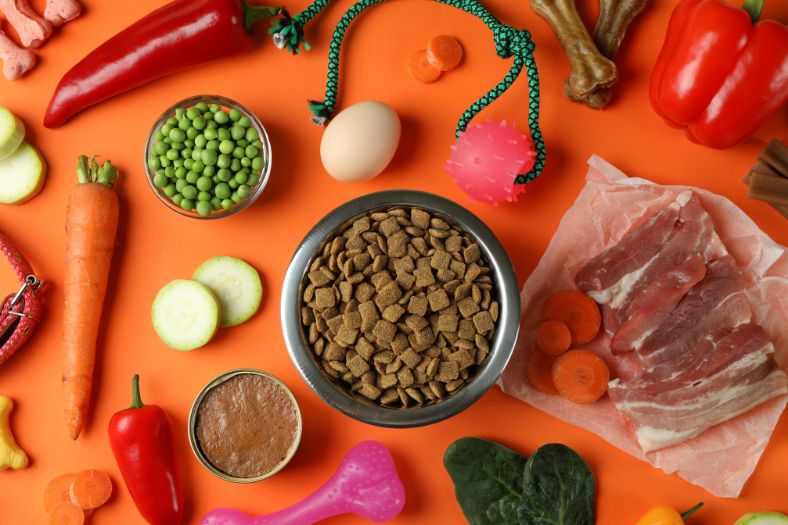
Providing a balanced diet is one of the most important responsibilities of a pet parent. Just like humans, dogs and cats require the right mix of nutrients to stay healthy, active, and happy.
However, with countless pet food options available, it can be overwhelming to know what’s truly best for your furry friend. This guide breaks down everything you need to know about balanced diets for dogs and cats—making mealtime decisions easier than ever.
Why Balanced Nutrition Matters for Pets
Nutrition plays a crucial role in your pet’s overall health. A well-balanced diet supports strong bones, a shiny coat, proper digestion, and a robust immune system. Without proper nutrition, pets can face issues such as obesity, malnutrition, or chronic diseases.
Dogs and cats have different nutritional needs, so it’s essential to understand what’s right for each species. For example, cats are obligate carnivores, meaning they rely heavily on animal-based protein, while dogs are omnivores and can thrive on a mix of proteins, vegetables, and grains.
The Essential Nutrients Every Pet Needs
When choosing your pet’s diet, make sure it includes:
- Protein – Supports muscle growth and tissue repair.
- Fats – Provide energy and keep skin and coat healthy.
- Carbohydrates – Supplies fiber for digestion and energy for daily activities.
- Vitamins – Boosts immunity and supports organ function.
- Minerals – Helps maintain strong bones and teeth.
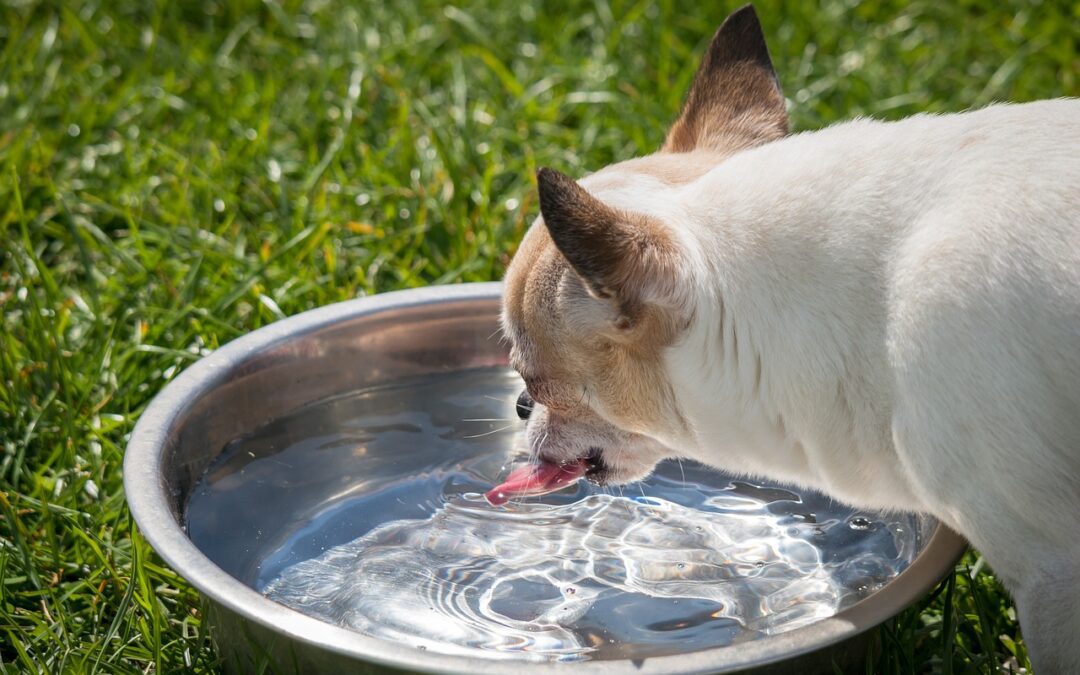
- Water – Prevents dehydration and supports vital bodily functions.
Transitioning from one diet to another should be done gradually to prevent digestive upset. Always consult your vet before making significant changes to your pet’s meals.
Feeding Dogs: Portion Control and Meal Types
When feeding dogs, portion control is key to preventing obesity. The right amount depends on their size, age, breed, and activity level. Puppies, for instance, require more frequent meals compared to adult dogs.
Popular Dog Feeding Options:
- Dry Kibble – Convenient, long-lasting, and often fortified with essential nutrients.
- Wet Food – Higher in moisture, ideal for hydration and picky eaters.
- Fresh or Homemade Diets – Offers control over ingredients but requires careful balancing to meet nutritional needs.
A good practice is to follow the feeding guidelines on the packaging and adjust according to your dog’s condition and activity.
Feeding Cats: Meeting Their Unique Needs
Cats have special dietary requirements that differ from dogs. Being obligate carnivores, they need more animal protein and certain amino acids like taurine, which are only found in meat.
Popular Cat Feeding Options:
- Wet Food – Provides hydration and supports urinary tract health.
- Dry Food – Convenient and helps with dental health, but ensure cats drink enough water.
- Mixed Feeding – Combines the benefits of both wet and dry food.
Avoid feeding cats a vegetarian or vegan diet, as it can lead to severe health issues.
Common Diet Mistakes Pet Parents Make
Even well-meaning pet parents can make nutritional mistakes, such as:
- Overfeeding treats and snacks.
- Giving table scraps that may be toxic to pets (e.g., onions, grapes, chocolate).
- Not providing enough fresh water.
- Choosing diets based solely on marketing without checking nutritional labels.
To avoid these pitfalls, always read ingredient lists and look for complete and balanced formulas approved by veterinary nutrition guidelines.
Signs Your Pet May Need a Diet Change
Your pet’s body often reveals when something is wrong with their diet. Watch for signs like:
- Dull or flaky coat
- Sudden weight gain or loss
- Lethargy or low energy
- Digestive issues (vomiting, diarrhea, constipation)
- Excessive shedding
If you notice these symptoms, consult a professional at an animal clinic in Reno.
Tips for Transitioning Your Pet to a New Diet
Switching your pet’s food should be done gradually over 7–10 days:
- Start with 75% old food and 25% new food.
- Gradually increase the new food portion every few days.
- Monitor your pet’s stool, energy levels, and appetite during the transition.
Patience is key—abrupt changes can upset their stomach.
Feeding your dog or cat a balanced diet is the foundation of their long-term health and happiness. By understanding their nutritional needs, avoiding common mistakes, and providing the right combination of nutrients, you set your pet up for a healthier, more energetic life.
Your furry friend depends on you to make the best choices for their well-being—so let their bowl reflect the love and care they deserve. Consult with a veterinary hospital in Reno for a nutritional evaluation.