7025 Longley Lane, Suite 40, Reno, NV 89511



As pets grow older, their needs evolve. Much like humans, senior pets require more attention, specialized care, and compassion to maintain their quality of life. Whether you have an aging dog or a senior cat, understanding how to adjust their routine can significantly improve their comfort and health. If you’re looking for trusted senior pet care in Reno, NV, this guide will help you navigate the golden years of your pet’s life with confidence.
Recognizing When Your Pet Is a Senior
First and foremost, you must determine when your pet enters their senior stage. Generally, dogs are considered seniors around 7 years of age, though larger breeds may age faster. Cats often enter their senior years between 8 to 10 years old. Once your pet becomes a senior, their care routine should adapt to address age-related changes.
1. Prioritize Regular Veterinary Visits
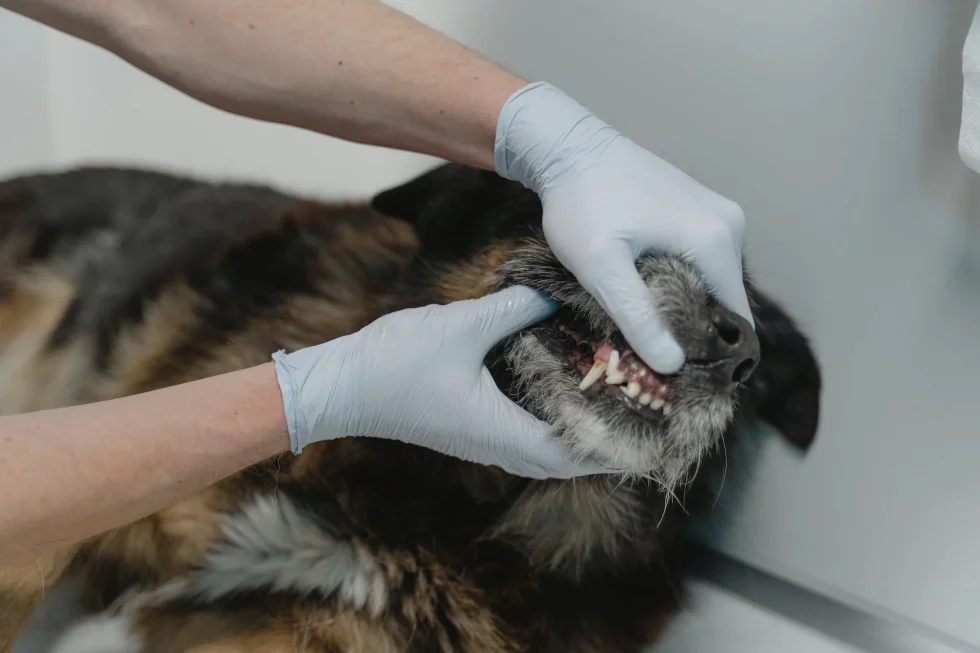
As pets age, their risk for chronic illnesses such as arthritis, diabetes, kidney disease, and heart conditions increases. Therefore, scheduling regular check-ups—ideally twice a year—is crucial. These visits allow veterinarians to catch early signs of illness and adjust treatment plans as needed.
If you’re in northern Nevada, finding experienced professionals offering senior pet care ensures your pet receives personalized and preventive care tailored to their age.
2. Adjust Their Diet for Optimal Health
Your pet’s metabolism slows down with age, making diet a key factor in senior health. Look for pet food formulated for older animals. These typically contain joint-supporting nutrients like glucosamine, lower calories to prevent weight gain, and easy-to-digest ingredients.
Additionally, make sure your pet always has access to fresh water. Dehydration can worsen many age-related health conditions.
3. Keep Them Active—but Not Overworked
Regular exercise remains important, even in older pets. That said, their energy levels and joint mobility may decline. Modify exercise routines to include gentler activities, such as:
- Short, slow walks
- Light indoor play
- Swimming (for dogs)
These activities support muscle strength and mental engagement without putting too much strain on aging joints.
4. Maintain Mental Stimulation
Cognitive decline is common in aging pets. Fortunately, interactive toys, puzzle feeders, and gentle training exercises can help keep their minds sharp. Even simple changes, like introducing new scents or teaching low-impact tricks, can boost brain function and prevent boredom.
5. Comfort Is Key at Home
Older pets may experience stiffness, arthritis, or reduced vision. To support their comfort:
- Provide orthopedic bedding
- Use pet stairs or ramps
- Keep their environment clutter-free
- Avoid slippery floors (add rugs or mats)
Making your home more accessible reduces stress and minimizes injury risk.
6. Monitor for Behavioral Changes
Senior pets may show subtle signs of discomfort, confusion, or pain. Watch for changes in:
- Eating habits
- Sleeping patterns
- Bathroom behavior
- Mood or social interaction
These shifts may indicate underlying health issues that require prompt attention.
7. Provide Lots of Love and Patience
Lastly, your pet needs your companionship now more than ever. Give them attention, speak gently, and offer comfort during anxious moments. Senior pets may move more slowly, but they love just as deeply. Your affection can make their days more joyful.
Caring for a senior pet is a rewarding experience that deepens the bond you share. With the right diet, regular vet care, gentle exercise, and lots of love, your pet can enjoy their later years in comfort and happiness. If you need professional support, trusted providers of senior pet care in Reno, NV, are available to help you create a care plan that meets your pet’s unique needs.
Because in the end, every pet deserves a happy, healthy life—no matter their age.
FAQs About Senior Pet Care
1. How often should senior pets see a vet?
Senior pets should visit the vet at least twice a year. This helps detect and manage age-related conditions early.
2. What signs suggest my senior pet is in pain?
Look for limping, reduced activity, whining, aggression when touched, or changes in appetite. These can signal discomfort or pain.
3. Is it normal for older pets to sleep more?
Yes, senior pets sleep more than younger ones. However, excessive sleeping or changes in sleep patterns may need veterinary attention.
4. Should I change my pet’s food as they age?
Absolutely. Senior-specific pet foods offer better nutritional support, joint protection, and easier digestion.
5. Can senior pets still be active?
Yes, though activities should be gentler. Walks, light play, and mental stimulation are great for keeping older pets healthy.
6. Where can I find quality senior pet care in Reno, NV?
Several veterinary clinics in Reno specialize in senior pet wellness. Look for providers who offer senior screenings, nutritional plans, and pain management.