7025 Longley Lane, Suite 40, Reno, NV 89511



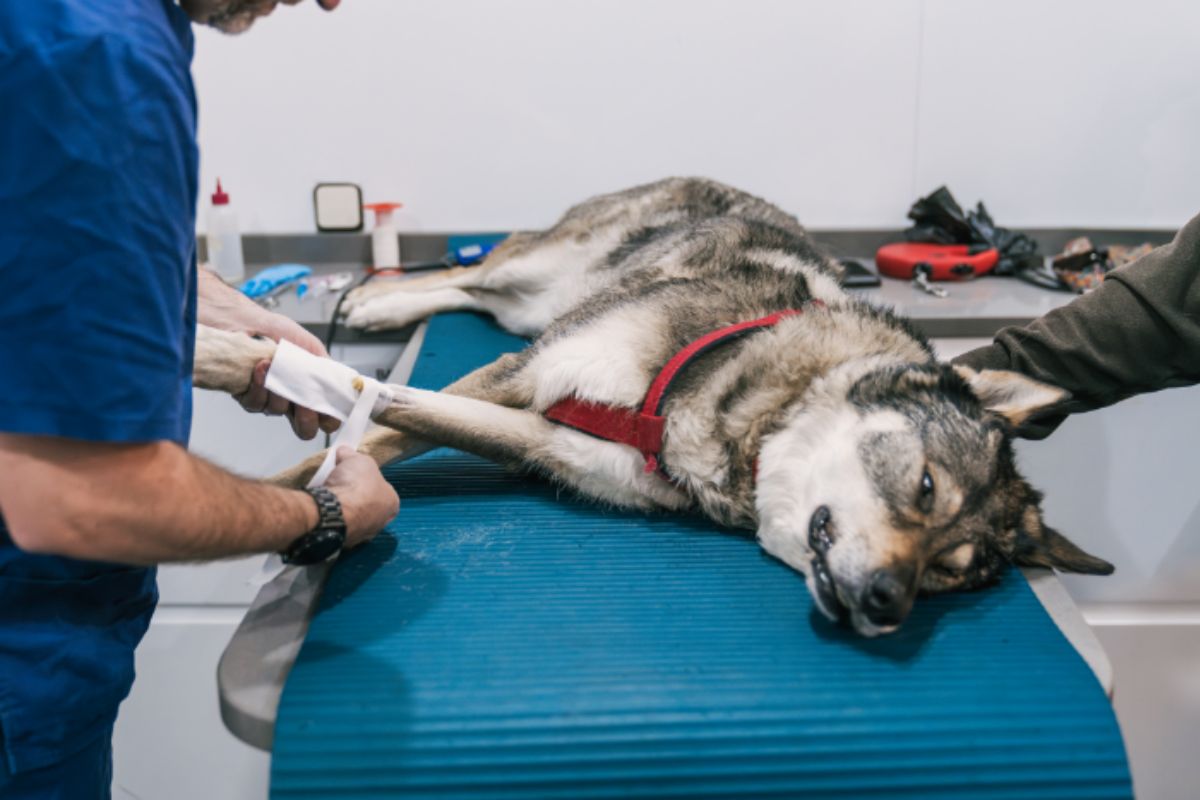
If your dog is suddenly limping, avoiding putting weight on a leg, or acting like they’re in pain, you might be wondering: Did my dog tear a ligament? Ligament injuries, especially tears, are common in dogs, particularly active breeds or those that jump, run, or twist suddenly.
The most commonly torn ligament is the cranial cruciate ligament (CCL), similar to the ACL in humans. Knowing how to recognize the signs of a ligament tear can help you act quickly and get your dog the treatment they need.
What Is a Ligament Tear?
A ligament is a tough band of connective tissue that holds bones together and stabilizes joints. When a dog tears a ligament, it typically involves a partial or complete rupture, which leads to joint instability, pain, and lameness.
The most common ligament injury in dogs is a CCL tear in the knee joint. This can happen gradually over time or suddenly, often during high-energy play, jumping off furniture, or running.
Signs Your Dog May Have Torn a Ligament
Here are the most common symptoms of a torn ligament in dogs:
1. Limping or Lameness
A sudden limp, especially in the rear leg, is often the first noticeable sign. Some dogs may refuse to use the leg at all or only touch their toes to the ground.
2. Difficulty Standing or Sitting
Your dog may struggle to get up, lie down awkwardly, or hesitate to sit. You might also notice them favoring one leg when moving from a resting position.
3. Swelling Around the Knee
Inflammation in the joint is common with ligament tears. You may see swelling or feel heat around the affected knee.
4. Stiffness or Reduced Range of Motion
Dogs with torn ligaments often lose flexibility in the affected joint. They may appear stiff, especially after resting or first thing in the morning.
5. “Toe Touching”
A classic sign of a CCL tear is when a dog lightly places their toes on the ground while keeping most of the weight off the injured leg.
6. Abnormal Gait
Some dogs will “bunny hop” using both back legs together instead of walking normally. This is often a sign they’re trying to avoid stressing the injured limb.
Risk Factors
Some dogs are more likely to suffer ligament injuries than others. Risk factors include:
- Breed: Labrador Retrievers, Rottweilers, Boxers, and Bulldogs are prone to CCL tears.
- Weight: Overweight dogs put extra stress on joints.
- Activity Level: High-energy dogs that run, jump, or twist suddenly are at greater risk.
- Age: Older dogs may suffer ligament degeneration over time.
Diagnosis: What Will a Vet Do?
If you suspect a torn ligament, it’s important to see your veterinarian as soon as possible. Your vet may perform:
- Physical examination: They’ll check for joint stability, swelling, and pain.
- Drawer test: This manual test assesses the movement of the knee joint to detect ligament instability.
- X-rays: While X-rays don’t show ligaments, they help rule out fractures and detect secondary joint changes.
- MRI or Ultrasound: In some cases, advanced imaging may be needed for a definitive diagnosis.
Treatment Options
The treatment for a torn ligament depends on its severity and your dog’s overall health. Options include:
- Surgery: Often recommended for complete tears, especially in active or large-breed dogs. Procedures like TPLO (Tibial Plateau Leveling Osteotomy) are common.
- Rest and medication: Partial tears might be managed with rest, anti-inflammatory meds, and joint supplements.
- Physical therapy: Helps strengthen surrounding muscles and improve mobility.
A torn ligament can be painful and debilitating for your dog, but with timely treatment, most dogs recover well, especially with surgical repair and proper rehab. If you notice limping, stiffness, or signs of pain, don’t wait. Early diagnosis and care can make all the difference in your dog’s comfort and mobility.